Tag: Xi Jinping

A stylized graphic for an article. It features a grayscale cutout of Hungarian Prime Minister Viktor Orbán on the left and a younger man in a traditional-style jacket gesturing on the right. The background is a textured representation of the Hungarian national flag.

Iran War Accelerates Multipolar World Order

The recent confrontation involving Iran marks a turning point in global geopolitics, accelerating the transition toward a multipolar order. This analysis explores how strained transatlantic ties, the rise of non-Western economic networks, and new metrics of technological strength are redefining influence, proving that unilateral action faces increasing limits in 2026.

Read More »
A person holding a long red dragon banner on a Shanghai waterfront with the Pudong skyline in the background.

Why China Holds Fewer Cards in Trade Tensions

Recent analysis suggests that while China’s export controls on critical minerals create short-term friction, Beijing’s broader economic leverage is declining. With real GDP growth estimated at roughly half the official target and a shrinking trade surplus with the U.S., China remains disproportionately dependent on Western markets. This structural vulnerability, combined with persistent property sector and debt issues, limits Beijing’s ability to sustain a prolonged economic confrontation without significant domestic repercussions.

Read More »
The Chinese national flag waving in the wind with a modern skyscraper in the background.

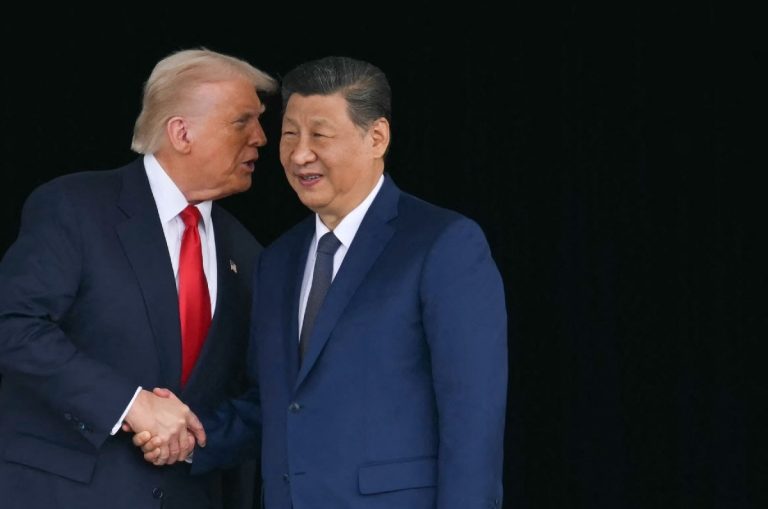
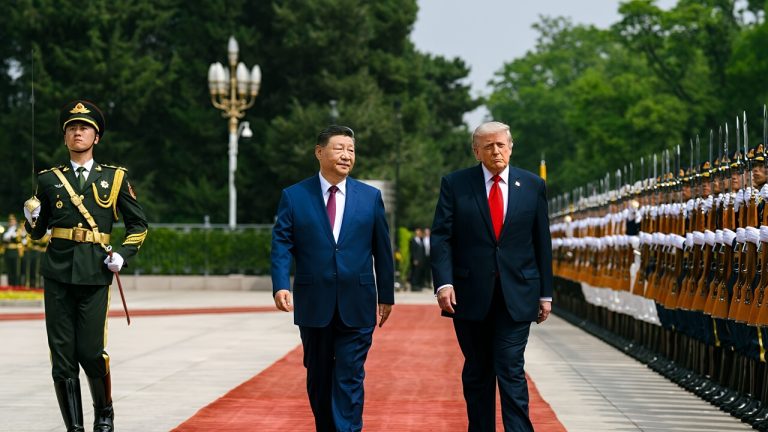
Trump-Xi Summit Puts Economics Before Escalation

The Trump-Xi summit marks a shift toward “business statecraft,” where economic interdependence serves as a deterrent against military escalation. Accompanied by top U.S. tech and finance leaders, President Trump is prioritizing agricultural and energy deals, signaling that both superpowers currently view market stability as more vital than ideological or territorial confrontation.

Read More »
Graphic for the 11th NPT Review Conference in 2026 featuring the UN General Assembly and a knotted gun statue.

NPT Credibility Tested by Iran Strikes

The 2026 NPT Review Conference in Geneva has been overshadowed by the failure of military strikes to permanently degrade Iran’s missile and nuclear capabilities. Backed by strategic support from Beijing and Moscow, Tehran’s rapid reconstitution of its infrastructure highlights the growing limitations of kinetic operations and the urgent need for multilateral treaty reform.

Read More »
Illustration of US and China hands engaged in a tug-of-war with a rope over a globe.

China Secures Lasting Leverage Over US Policy

The upcoming Trump-Xi summit arrives as China secures lasting leverage over U.S. policy through its control of critical mineral supply chains. Following the 2025 trade confrontation, Washington has increasingly traded strategic technology safeguards for economic stability, a shift that risks marginalizing regional allies and altering the long-term balance of power in the Indo-Pacific.

Read More »
Taiwanese soldiers in camouflage standing with a large national flag next to military missile launchers and a drone.

Trump-Xi Summit Tests Taiwan’s Trust in US Support

President Trump’s Beijing summit has intensified anxieties in Taiwan regarding the stability of American security commitments. Despite a record $11 billion arms authorization, delivery delays and transactional demands for semiconductor investments have significantly eroded Taiwanese public confidence. As Xi Jinping prioritizes Taiwan in talks, the region remains wary of shifts in Washington’s long-standing strategic ambiguity.

Read More »
Two gold interlocking gears featuring the national flags of China and the United States.

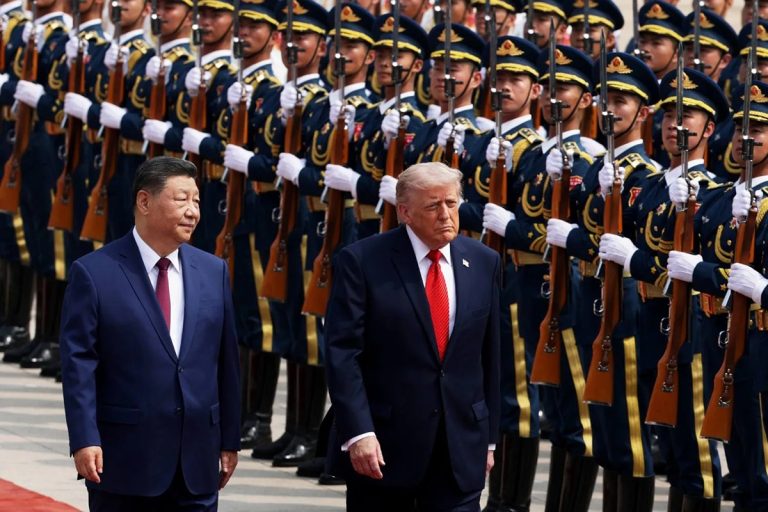
Small Steps Define Trump’s Beijing Visit

President Trump’s visit to Beijing, the first by a U.S. leader in a decade, seeks a tactical stabilization of ties with China. Amid the ongoing Iran conflict and trade frictions, both nations are prioritizing “managed competition” over a full reset, focusing on supply chain resilience, AI safety, and restoring human connections.

Read More »
The Iranian flag flying over a pile of concrete rubble and destroyed buildings.

Iran Conflict Accelerates Multipolar Realignment

The inconclusive US-Israeli campaign against Iran has accelerated a global shift toward multipolarity. By demonstrating state resilience and weaponizing energy chokepoints, Tehran has forced major powers to reassess the costs of intervention. This new reality is driving a strategic realignment, pushing nations toward pragmatic diplomacy and diversified resource security.

Read More »

Why Washington Misplaces Central Asia

The United States risks losing strategic ground in Central Asia due to institutional fragmentation and inconsistent regional categorization. While Washington’s engagement remains episodic, China has methodically secured vital energy pipelines and overland trade corridors, insulating its economy from maritime disruptions and deepening its long-term influence across the Eurasian heartland.

Read More »
Chinese military officers in green uniforms walking in front of the Great Hall of the People in Beijing.

Beijing’s Patient Strategy on Taiwan

Beijing pursues unification through patience, leveraging power trends, Taiwan’s divisions, and gray‑zone pressure while avoiding a costly war. Its long game aims to make political convergence seem inevitable without triggering catastrophic conflict.

Read More »