Tag: Xi Jinping

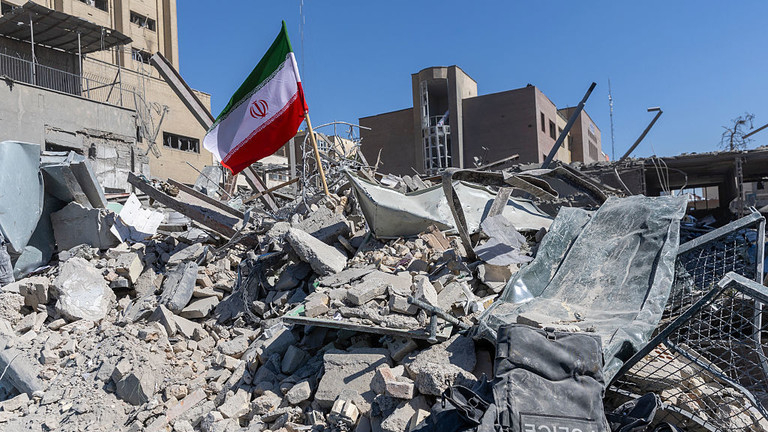
The Iranian flag flying over a pile of concrete rubble and destroyed buildings.

Iran Conflict Accelerates Multipolar Realignment

The inconclusive US-Israeli campaign against Iran has accelerated a global shift toward multipolarity. By demonstrating state resilience and weaponizing energy chokepoints, Tehran has forced major powers to reassess the costs of intervention. This new reality is driving a strategic realignment, pushing nations toward pragmatic diplomacy and diversified resource security.

Read More »

Why Washington Misplaces Central Asia

The United States risks losing strategic ground in Central Asia due to institutional fragmentation and inconsistent regional categorization. While Washington’s engagement remains episodic, China has methodically secured vital energy pipelines and overland trade corridors, insulating its economy from maritime disruptions and deepening its long-term influence across the Eurasian heartland.

Read More »
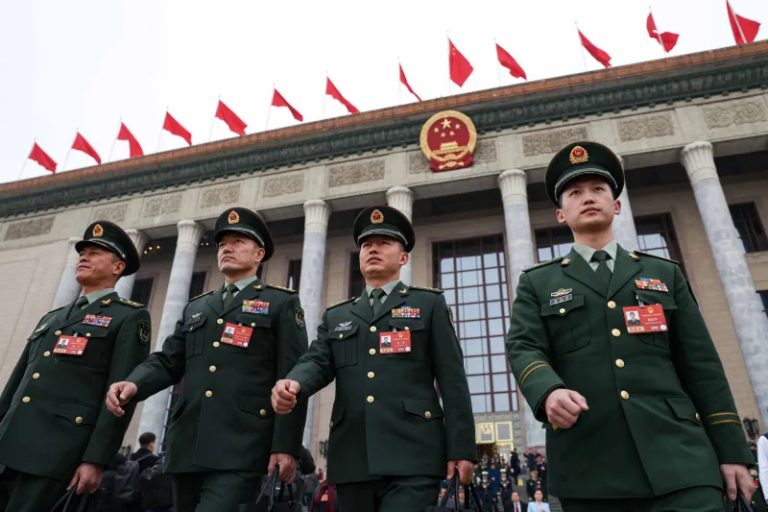
Chinese military officers in green uniforms walking in front of the Great Hall of the People in Beijing.

Beijing’s Patient Strategy on Taiwan

Beijing pursues unification through patience, leveraging power trends, Taiwan’s divisions, and gray‑zone pressure while avoiding a costly war. Its long game aims to make political convergence seem inevitable without triggering catastrophic conflict.

Read More »
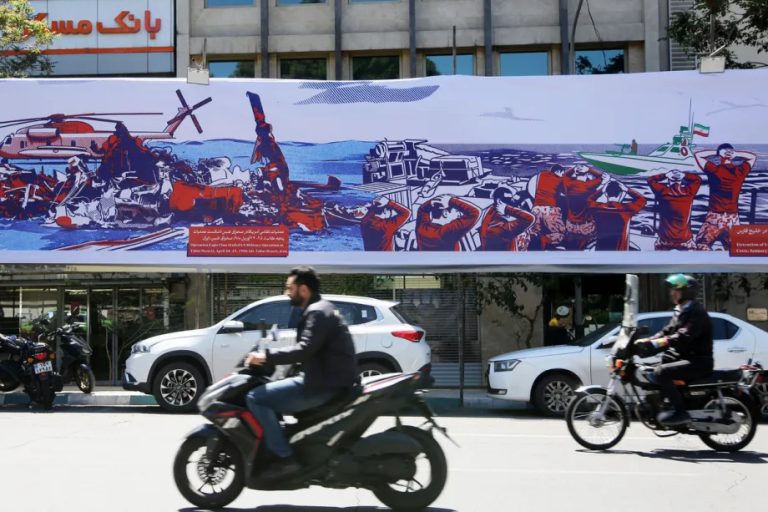
A large street billboard in Iran depicting military failures and naval captures.

Why the Iran Collapse Strategy Keeps Backfiring

Washington’s reliance on a “breakdown” strategy in Iran is being tested by Tehran’s ability to endure sustained military and economic pressure. Instead of a swift collapse, current cycles of attrition have fueled global oil price spikes, reaching $4.50 per gallon in the U.S., while strengthening Iran’s informal trade networks and regional alliances.

Read More »
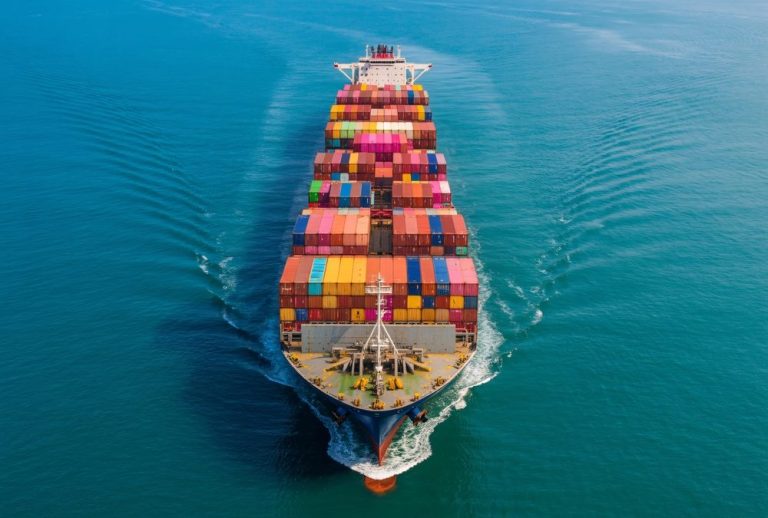
Aerial view of a massive cargo ship loaded with colorful containers at sea.

China’s Shipping Shield Blunts American Sanctions

Beijing is effectively countering American economic pressure by weaponizing its maritime dominance. With over half of global shipbuilding output and strategic investments in 168 ports worldwide, China has built a “shipping shield” that secures its energy imports and trade routes, rendering traditional financial sanctions increasingly ineffective in the lead-up to high-level diplomatic talks.

Read More »
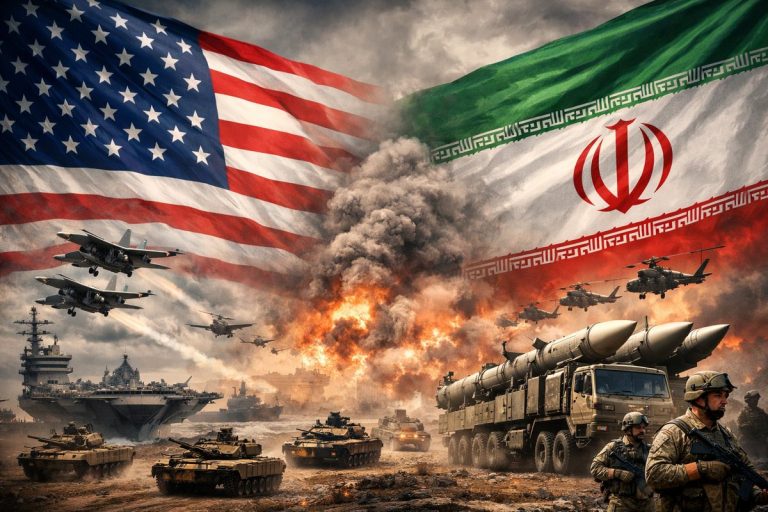
Digital collage depicting military tension between the United States and Iran flags.

Superpowers Learn Restraint From US-Iran War

Recent military confrontations between the U.S. and Iran have led global strategists to reevaluate the costs of overcommitment. As defense spending competes with domestic needs and media coverage amplifies setbacks, major powers are shifting toward more selective engagement, prioritizing internal stability and core interests over prolonged, distant interventions.

Read More »

Karaganov’s Nuclear Gambit: Russia’s Hawkish Voice Grows Louder

Sergey Karaganov is intensifying his call for a radical overhaul of Russia’s nuclear strategy following the expiration of the New START treaty. His May 2026 proposals advocate for offensive deterrence, resumed nuclear testing, and targeting European centers, reflecting a dangerous shift in Moscow’s rhetoric toward global escalation and strategic compellence.

Read More »
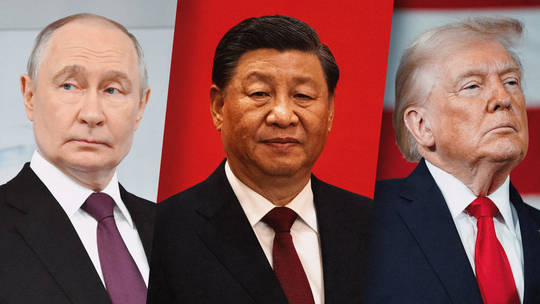
Portrait montage of world leaders Vladimir Putin, Xi Jinping, and Donald Trump.

Why Grand Bargains Elude Washington, Beijing and Moscow

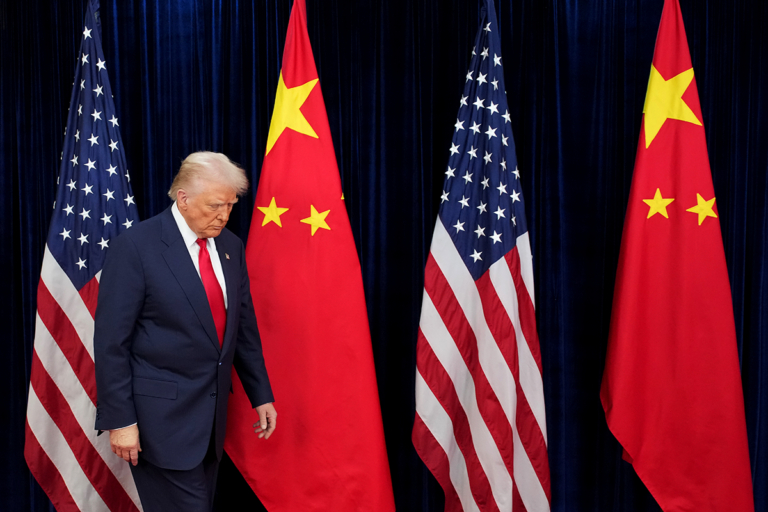
High-level summits in Beijing between leaders of the U.S., China, and Russia highlight a new era of strategic distrust. As interdependence fades, these powers are prioritizing economic resilience and flexible, time-limited understandings over comprehensive global accords. This shift reflects a broader trend toward a fragmented, multipolar world defined by competition rather than shared rules.

Read More »
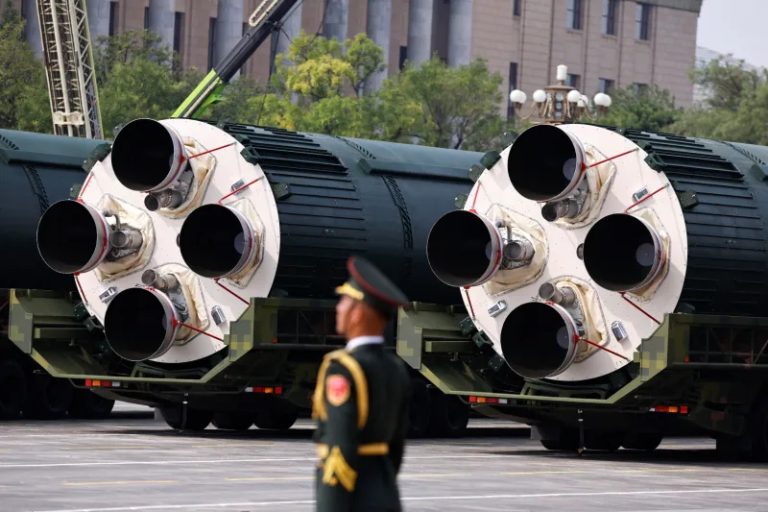
Large Chinese ballistic missile canisters on transport vehicles during a military parade with a soldier in the foreground.

US-China Nuclear Rivalry Edges Closer to the Brink

China’s rapid nuclear buildup, projected to exceed 1,000 warheads by 2030, is fundamentally reshaping global strategic stability. Driven by fears of US intervention, Beijing’s expansion has accelerated American modernization and deepened regional tensions. Breaking this cycle requires pragmatic, small-scale transparency measures and concrete discussions on restraint during upcoming high-level summits.

Read More »
A diverse group of international visitors and local guides standing in a lush green tea plantation in rural China, examining freshly picked tea leaves.

China’s Governance Model as Global Export: Appeal, Strategy, and Limits

Beijing is aggressively positioning its state-led governance model as a viable alternative to liberal democracy. By targeting students and scholars from the Global South through expansive scholarship programs and the Belt and Road Initiative, China aims to shape global narratives on modernization while bypassing political resistance in the West.

Read More »