Tag: Turkey

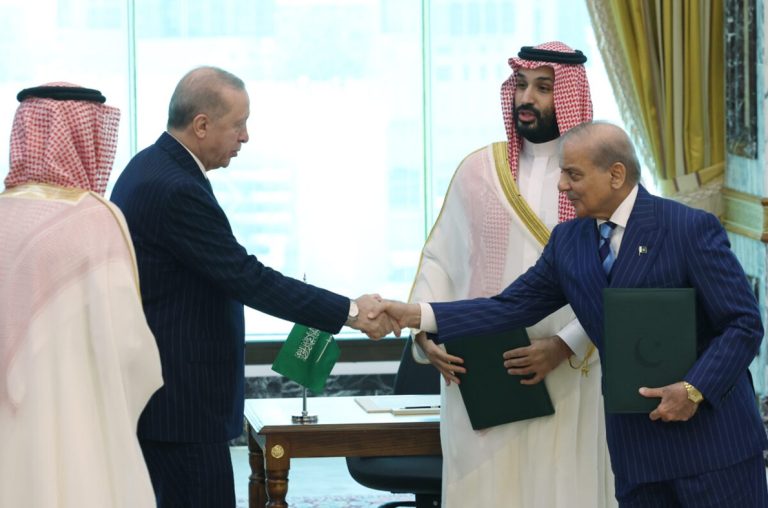
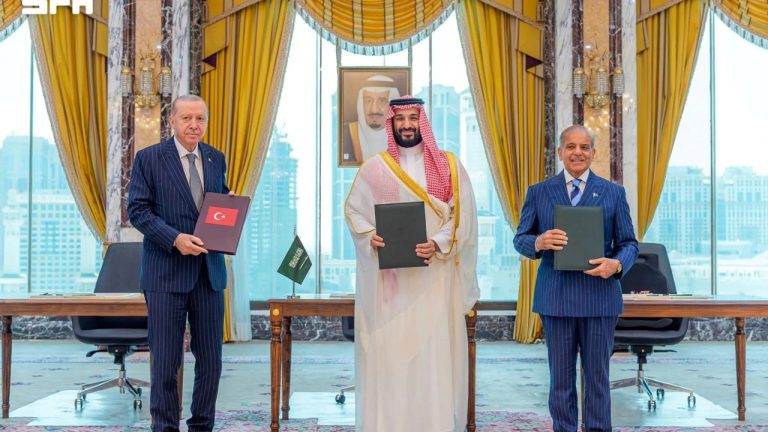
Turkish President Recep Tayyip Erdoğan shaking hands with Pakistani Prime Minister Shehbaz Sharif alongside Saudi Crown Prince Mohammed bin Salman.

New Middle East Security Architecture Shifts Power Dynamics

The new trilateral defense pact signed in Mecca between Saudi Arabia, Turkey, and Pakistan marks a major realignment in Middle Eastern security dynamics. By pooling economic power, advanced defense manufacturing, and nuclear deterrence, the signatories are creating a self-reliant framework to diversify their strategic partnerships beyond external superpowers.

Read More »
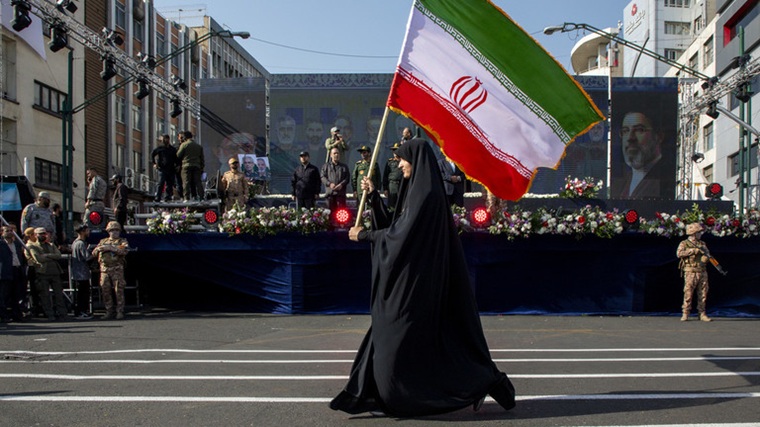
A woman in a black chador holding an Iranian flag during a public event or parade.

Failed Decapitation Strikes Reshape Middle East Power

Attempts to decapitate Iranian leadership have triggered a disastrous war of attrition and a severe global energy crisis. With the Strait of Hormuz closed, oil prices soaring, and US national debt surpassing $40 trillion, regional allies are forming independent defense pacts—signaling a major shift in Middle Eastern geopolitical power.

Read More »
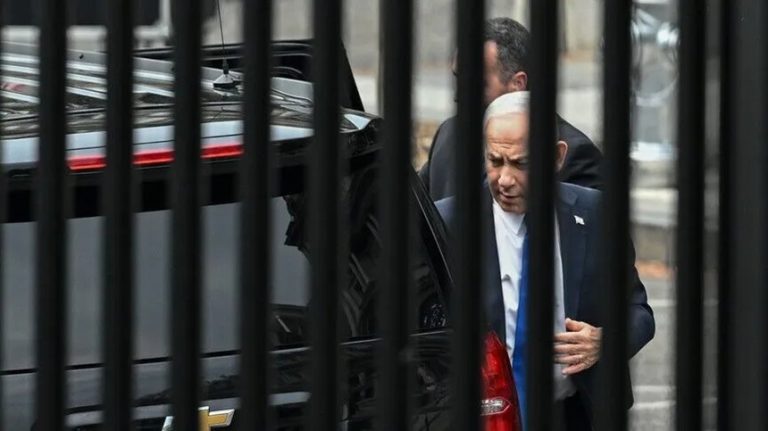
Israeli Prime Minister Benjamin Netanyahu walking behind black fence bars

Turkey Expands Legal Campaign Against Israeli Leadership

Turkey has formally requested Interpol Red Notices for Israeli Prime Minister Benjamin Netanyahu and other officials over the interception of a humanitarian flotilla. The move intensifies global legal pressure and diplomatic isolation surrounding Israeli leadership, testing Interpol’s neutrality while severely constraining high-level diplomatic travel.

Read More »
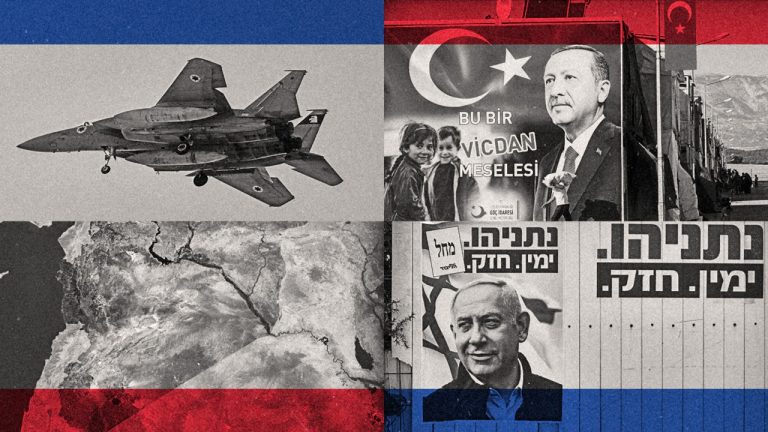
Four-panel collage featuring a military jet, map of the Middle East, and posters of Erdogan and Netanyahu.

Israel and Turkey Compete for Syrian Airspace Dominance

The collapse of the Syrian regime has triggered an intense proxy battle for aerial dominance across the Levant. As Israel conducts preemptive strikes and Turkey moves to expand its military footprint, Damascus remains helpless, leaving the region’s skies an unregulated arena for foreign confrontation.

Read More »
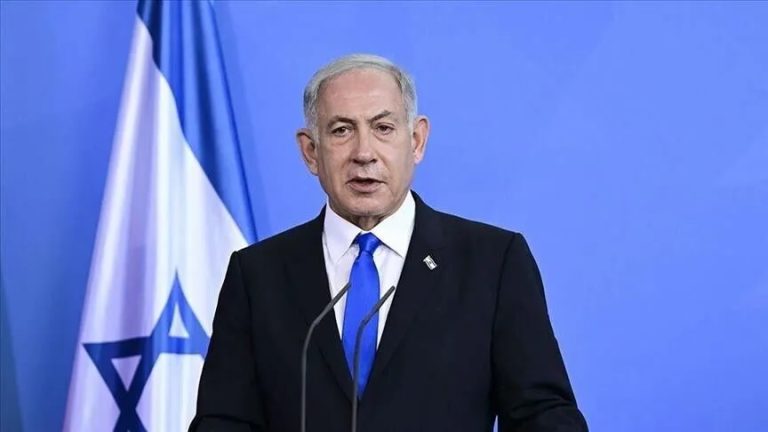
Israeli Prime Minister Benjamin Netanyahu speaking at a press conference.

Israeli Strikes in Syria Expose Deep Regional Rift

Recent Israeli airstrikes on Syria’s Abu al-Duhur airfield have intensified diplomatic friction with Turkey. Amid conflicting claims over strategic foreign deployments, analysts point to rising domestic political pressures driving high-risk foreign policy moves. Read our breakdown on the fragile balance of Middle Eastern security.

Read More »
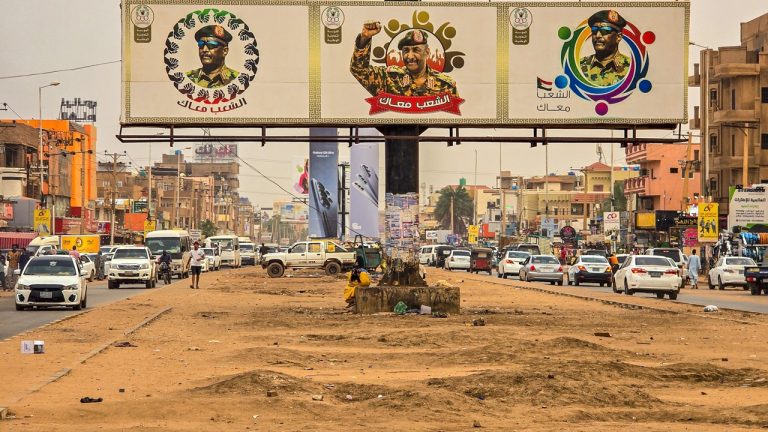
Dusty urban street in Sudan featuring a large billboard displaying military leaders alongside civilian cars.

Sudan War Risks Becoming a Wider Regional Conflict

Sudan’s civil war is expanding far beyond a domestic power struggle, pulling in regional rivalries, foreign supply networks, and new border battlefields. With millions facing severe hunger and widespread displacement across the Horn of Africa, the conflict threatens wider regional stability. Discover why international intervention must shift from fueling the war to enforcing a lasting diplomatic solution.

Read More »
Turkish President Recep Tayyip Erdogan, Saudi Crown Prince Mohammed bin Salman, and Pakistani Prime Minister holding agreement folders indoors.

Mecca Pact Signals a New Middle East Security Order

Saudi Arabia, Turkey, and Pakistan have signed the Mecca Joint Defence Agreement, establishing a collective security pact outside traditional Western frameworks. While not breaking ties with Washington, the alliance emphasizes joint military coordination, advanced technology sharing, and greater regional autonomy in shaping Middle Eastern stability.

Read More »
A high-angle view of a lone speaker on a large stage at an international summit, with media cameras in the foreground.

NATO’s Gulf Test: A New Security Era?

As the Gulf states move past reliance on singular security pacts, the upcoming NATO summit in Ankara presents a pivotal opportunity. By evolving from peripheral partner to a core security contributor, NATO could help regional powers build a resilient, multilateral framework for maritime defense in a rapidly changing world.

Read More »
World leaders including Recep Tayyip Erdoğan, Mark Rutte, and Donald Trump standing together at the NATO summit in Ankara.

Turkey’s Moment: Ankara Becomes the Indispensable Ally

Turkey’s role on the world stage has fundamentally shifted. From navigating the conflict in Ukraine to mediating regional crises, Ankara has transformed from a transactional partner into a central security pillar. Despite ongoing tensions, Western powers are increasingly recognizing that Turkey’s strategic importance is now a defining fact of the new global order.

Read More »
Mark Rutte appearing concerned while speaking at a podium with NATO branding in the background.

NATO Plays the Long Game as Trump Looms

The recent Ankara summit marked a turning point for NATO. While navigating internal political volatility, the alliance is quietly accelerating its strategic autonomy. By surging defense investment and prioritizing long-term resilience, European leaders are preparing for a future where they can ensure their own security, independent of Washington’s fluctuating commitments.

Read More »
Diplomatic representatives from Egypt, Pakistan, Turkey, and Saudi Arabia at the Antalya Diplomacy Forum.

Iran War Forces Middle East Security Realignment

The war with Iran has shattered the assumption that US military presence guarantees security. Regional powers are now diversifying their strategic ties, creating a patchwork of flexible, issue-based partnerships. This shift reflects a move away from rigid, single-patron alliances toward a more pragmatic, self-reliant regional order.

Read More »
A digital collage featuring Donald Trump, the Iranian flag, and a military missile.

Trump’s Iran Moves Accelerate Shift in Global Power

The recent US-Iran conflict has exposed the limitations of unilateral military pressure in a multipolar world. While a ceasefire holds, the rise of a new regional quartet—Turkey, Pakistan, Saudi Arabia, and Egypt—alongside China’s increasing diplomatic role, suggests a significant decline in traditional American dominance over Middle Eastern security dynamics.

Read More »