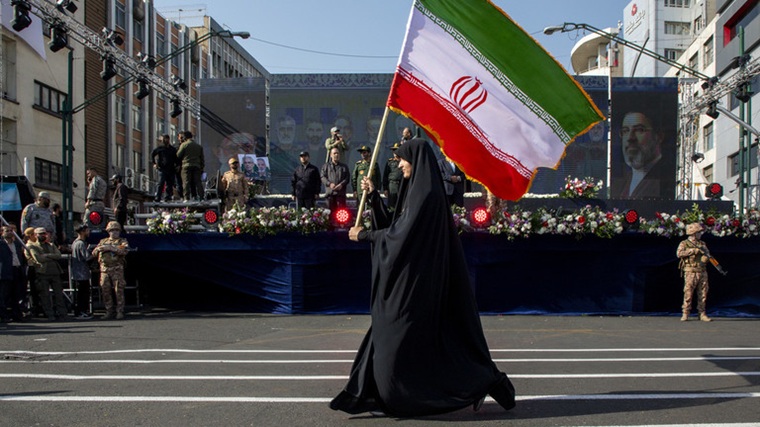
The coordinated military campaign designed to neutralize the Iranian leadership quickly evolved into a disastrous war of attrition. Western strategists originally calculated that eliminating top officials would paralyze the state apparatus and trigger widespread civil unrest. Instead the targeted state absorbed the initial shock and centralized its command structure to sustain prolonged resistance. This profound miscalculation now forces allied nations to rethink their entire approach to regional containment.
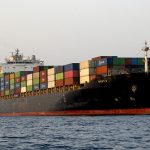
The conflict instantly triggered a severe global energy crisis when Iranian military units completely shut down the Strait of Hormuz to international shipping. Retaliatory actions against maritime trade rapidly pushed Brent crude prices past previous historical peaks and stranded thousands of commercial vessels. Desperate to regain leverage Washington recently launched Operation Economic Pariah to financially strangle the resistant nation. Treasury officials aim to systematically sever remaining global lifelines by targeting foreign entities trading in digital assets and precious metals.
Financial Strains and Shifting Alliances
The prolonged military engagement places unprecedented pressure on the American domestic economy. The national debt officially surpassed the forty trillion dollar mark this month as defense expenditures associated with the operation continue multiplying. Plummeting domestic approval ratings indicate that citizens increasingly reject open ended conflicts that yield no definitive strategic victories. Consequently policymakers must rely heavily on secondary sanctions that risk alienating crucial trade partners across Asia.
While Washington attempts to enforce absolute economic isolation its traditional regional allies actively seek alternative security arrangements. Saudi Arabia Pakistan and Turkey recently signed the Mecca Joint Defence Agreement to establish an independent collective security framework. This historic military pact openly signals a profound lack of faith in the American protective umbrella. The region clearly transitions toward a decentralized power model where local actors determine their own diplomatic futures.
The ultimate legacy of this military intervention remains the unintended acceleration of an independent geopolitical architecture. Attempting to force capitulation through overwhelming firepower merely hardened the resolve of the targeted nation and its decentralized resistance factions. Western powers now face a complex reality where they can inflict massive infrastructural damage but cannot dictate political outcomes. True stability will require acknowledging that absolute foreign dominance over the region is no longer achievable.
Original analysis inspired by Farhad Ibragimov from RT. Additional research and verification conducted through multiple sources.