Tag: NATO

Armenian Prime Minister Nikol Pashinyan waving to the crowd while wearing an orange lapel pin.

Armenia Bets on Turkey — and the Stakes Have Never Been Higher

This analysis explores the strategic realignment currently underway between Armenia and Turkey. After decades of frozen borders and historical enmity, recent diplomatic efforts suggest a potential breakthrough aimed at economic integration and regional connectivity. However, the article highlights the divergent motivations behind this process: Yerevan seeks a pivot toward the European Union as it distances itself from Russia, while Ankara views normalization as a tool to consolidate its position as an indispensable regional hub. We assess the persistent risks—including Azerbaijan’s unresolved territorial demands, the limitations of Western security guarantees, and the shadow of Russian influence—that continue to complicate Armenia’s efforts to establish a durable path toward stability. Ultimately, this piece questions whether normalization offers a genuine escape from regional dependency or merely replaces one set of structural vulnerabilities with another.

Read More »
A stylized graphic featuring a bald eagle head attached to a futuristic drone body with the American flag pattern on its center, set against a bright blue sky.

America Is Losing the Drone and AI Race It Started

The recent conflict with Iran has exposed a critical reality: American military dominance, once predicated on proprietary technology and unmatched scale, is being undermined by a new era of AI and low-cost, mass-produced drones. While Washington remains focused on legacy structures, competitors are closing the technological gap through adversarial distillation and domestic innovation. This article explores how the Pentagon’s failure to adapt its procurement and institutional culture threatens to turn current technological advantages into strategic liabilities, necessitating a fundamental rethinking of how the U.S. prepares for the next generation of warfare.

Read More »
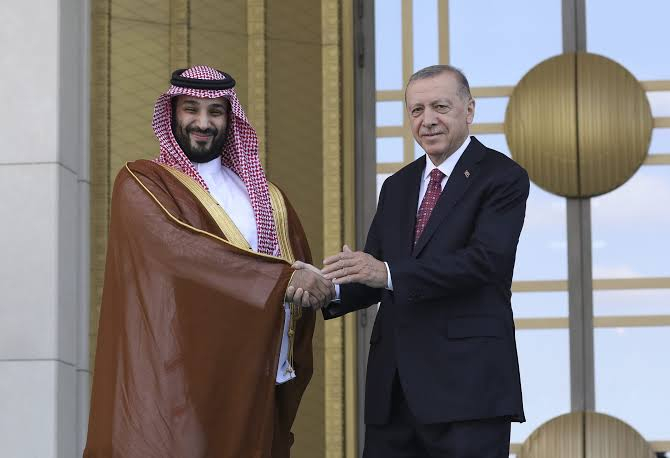
President Erdogan of Turkey shaking hands with Crown Prince Mohammed bin Salman.

Turkey Seeks Stability in Fractured Middle East

Turkey is navigating a complex regional landscape by prioritizing pragmatic security and economic stability over earlier, more expansive ideological objectives. As Ankara manages the post-Assad vacuum in Syria and seeks to balance relations between Western allies and emerging regional networks, its foreign policy is increasingly constrained by domestic fiscal pressures. Success for Turkey now depends on converting tactical military gains into durable diplomatic leverage while avoiding the long-term costs of prolonged instability.

Read More »
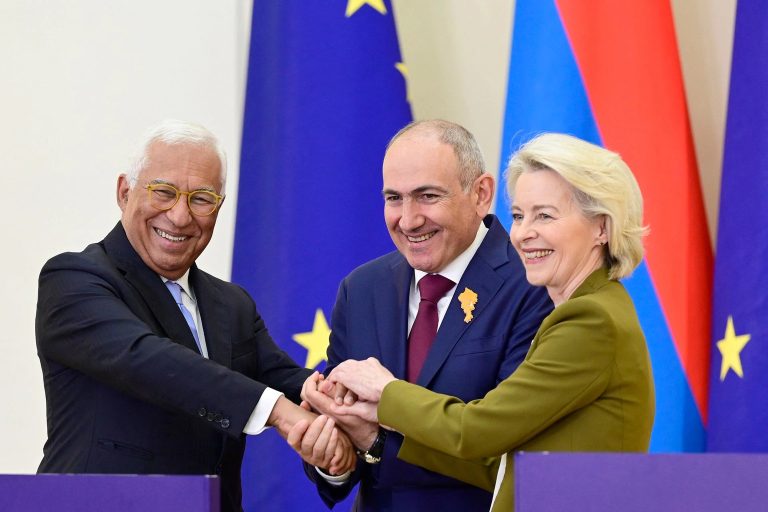
Prime Minister Nikol Pashinyan of Armenia joining hands with EU officials.

Armenia’s Westward Turn Survives Moscow’s Pressure, But the Hard Part Starts Now

Armenia’s recent parliamentary election signals a decisive pivot toward the West, overcoming significant Russian economic and political interference. However, the path to a durable peace with Azerbaijan remains constrained by constitutional bottlenecks. Washington now faces a critical opportunity to provide diplomatic support, ensuring this democratic transition successfully consolidates.

Read More »
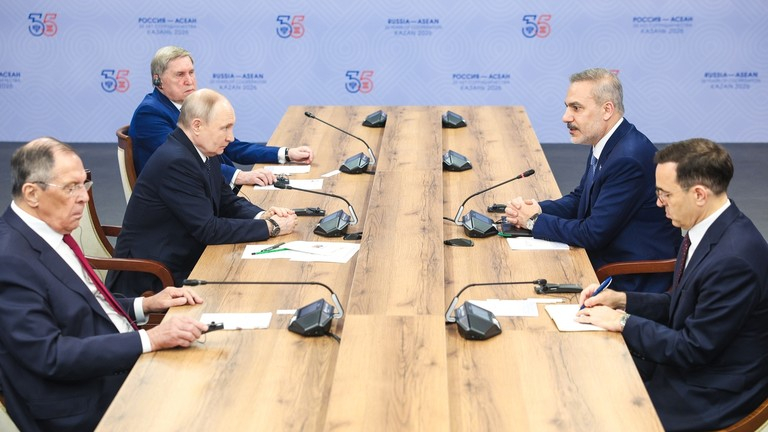
A high-level diplomatic meeting between Russian and Turkish officials around a conference table.

Turkey Plays Both Sides and Keeps Winning

This analysis explores the paradox of Turkey’s foreign policy: maintaining vital energy and security ties with Russia while remaining a pillar of NATO. We examine how Ankara leverages its unique geographic position and transactional diplomacy to extract maximum value from both East and West, effectively defining a new model for “middle-power” autonomy in an era of shifting global alliances.

Read More »
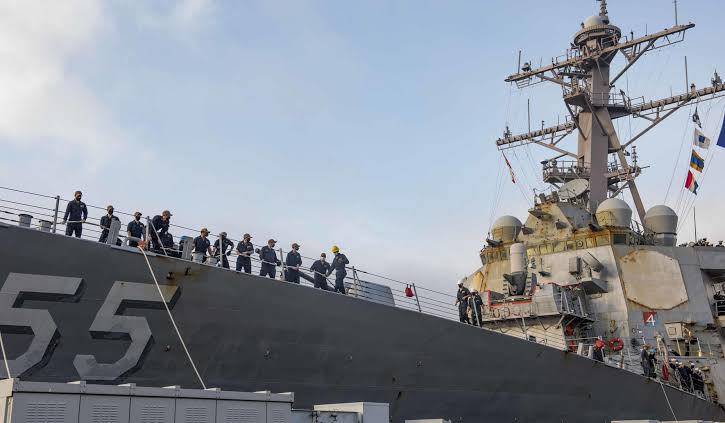
U.S. Navy sailors stand at attention on the deck of a naval vessel.

America’s Navy Is Winning Battles and Losing the Maritime Order

This analysis explores the critical disconnect between American naval superiority and the declining stability of the global maritime order. Despite massive expenditures, the U.S. fleet struggles with coercive asymmetric threats and a structural lack of domestic industrial capacity. The piece argues that reactive, ad hoc responses are insufficient to counter systemic vulnerabilities and the rise of China’s maritime infrastructure, necessitating a comprehensive strategic framework to address the realities of modern maritime disorder.

Read More »
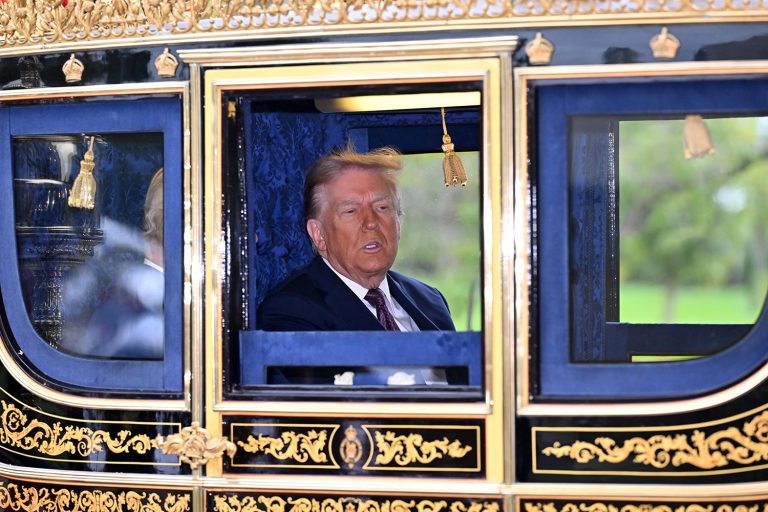
Donald Trump sitting inside a traditional golden-trimmed state carriage.

Trump’s Civilizational Rhetoric Is Fracturing the Very West It Claims to Defend

This article examines the rise of “civilizationalism” as a guiding doctrine in American foreign policy and the resulting strain on the traditional Western alliance. By analyzing the historical parallels to late-stage imperial Rome and the fracturing of multilateral commitments, we discuss how the shift toward identity-based rhetoric—rather than civic or interest-based diplomacy—is accelerating a global transition toward an “American-minus-one” international system, where key partners increasingly seek stability and trade arrangements outside of Washington’s influence.

Read More »
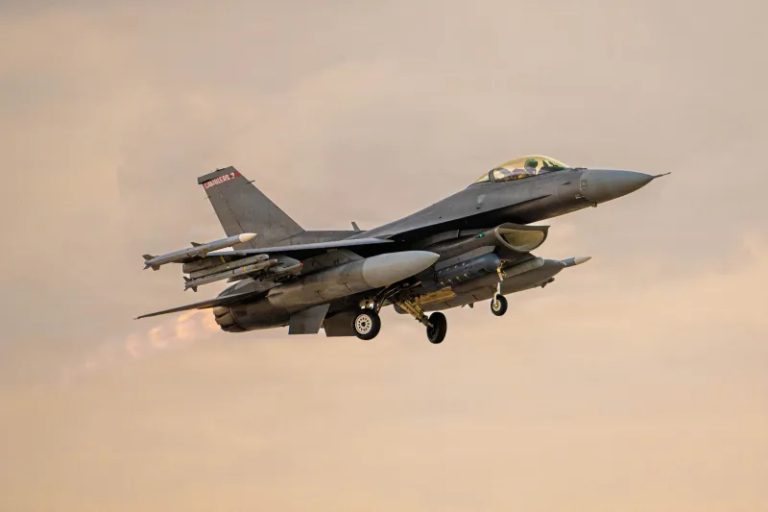
A U.S. F-16 fighter jet in flight, representing military power and global base presence.

America’s Empire of Bases Is Starting to Cost Its Hosts Too Much

This analysis examines the growing strategic liability of the U.S. “empire of bases” in the Middle East. As the ongoing conflict with Iran reveals the vulnerability of host-nation infrastructure—exemplified by the devastating June 3 attack on Kuwait International Airport—we explore how the proliferation of low-cost, high-impact drone and missile technologies has fundamentally inverted the security guarantee the U.S. once provided. We assess whether the increasing risk of hosting U.S. forces will lead to a systemic denial of access, potentially forcing a retraction of American global reach and fundamentally altering the future of U.S. military power.

Read More »
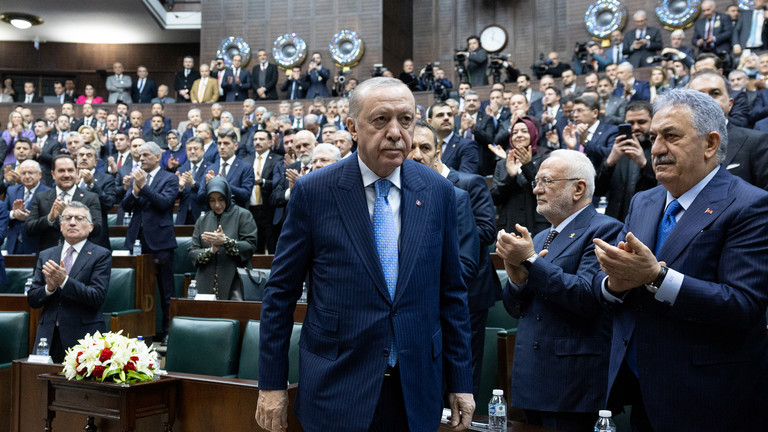
Turkish President Recep Tayyip Erdoğan walking through a crowded assembly hall.

Turkey Is Building the Military Network Iran Could Never Assemble

This analysis examines Turkey’s ambitious regional military strategy as demonstrated at the EFES-2026 exercise. By hosting troops from across North Africa and the Levant—including previously fractured Libyan factions and Syria’s newly reconstituted army—Ankara is moving beyond the proxy-based influence models of the past. We explore how Turkey is leveraging its institutional legitimacy and NATO status to formalize a durable military network, effectively creating a new strategic reality in the Middle East that challenges Israeli security planning and reshapes the regional balance of power.

Read More »
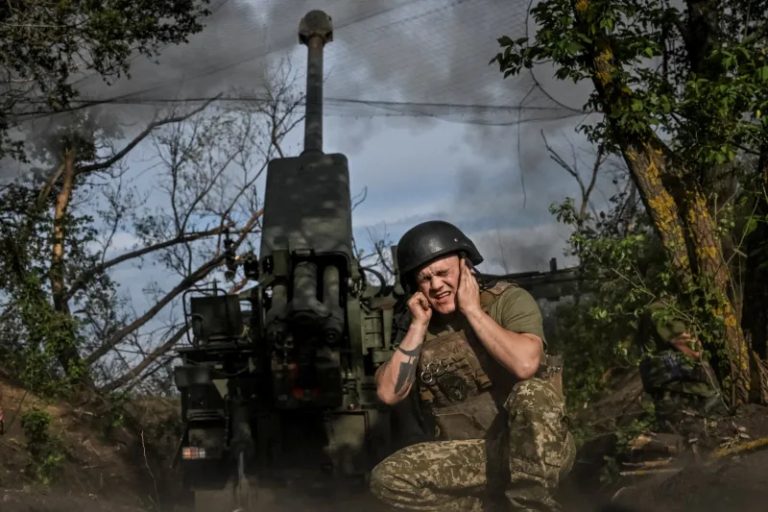
A Ukrainian soldier covering his ears near a heavy artillery piece during combat.

Ukraine’s Grinding War Is Slowly Turning Against Russia

As of June 1, 2026, the war in Ukraine is characterized by intensified aerial bombardment and long-range drone strikes, deepening the cycle of destruction. With diplomatic efforts stalled and both Moscow and Kyiv prioritizing battlefield gains over concessions, the conflict has settled into a high-intensity stalemate. This report examines the current military landscape, the impact of mid-range strike campaigns on logistics, and the growing divide between U.S.-led pressure for a swift resolution and the European commitment to a sustained, deterrence-based approach to Russian aggression.

Read More »
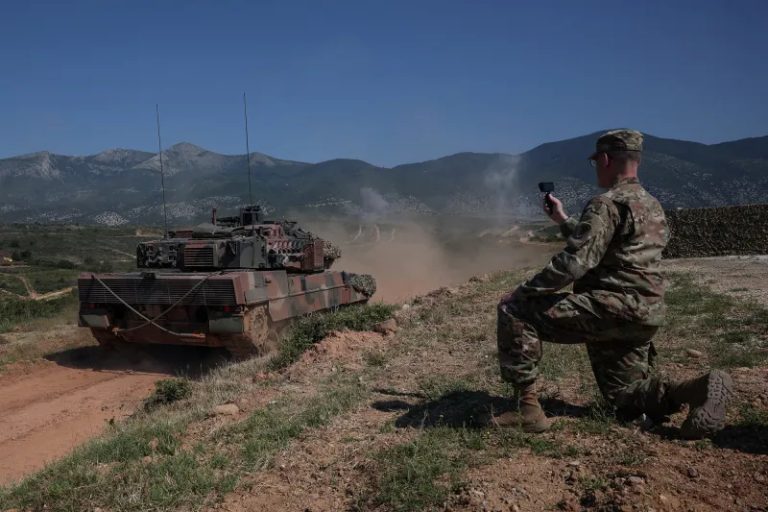
A soldier in camouflage kneeling on a dirt path while operating a drone controller, with a military tank nearby.

Why Europe Should Cofinance US Defense Enablers

This analysis argues for a structured cofinancing model between Europe and the United States to address persistent shortfalls in high-end military enablers, such as secure command networks and advanced intelligence. By formalizing these investments, allies can maintain credible deterrence against regional threats while optimizing resources across a multipolar global landscape.

Read More »
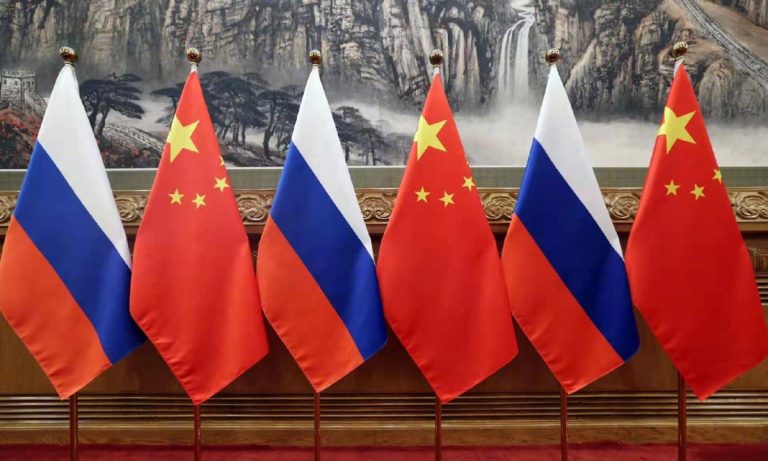
Alternating flags of China and Russia displayed at a summit.

Xi and Putin Unite Against Golden Dome at Beijing Summit

This analysis explores the strategic consolidation between Moscow and Beijing during the recent Beijing summit, where both leaders condemned the U.S. “Golden Dome” missile defense initiative. As energy ties deepen—driven by the disruptions of the ongoing Iran war—we examine how this anti-hegemonic alignment seeks to reshape the global security architecture while highlighting the growing structural asymmetry of the Russia-China relationship.

Read More »