Tag: NATO

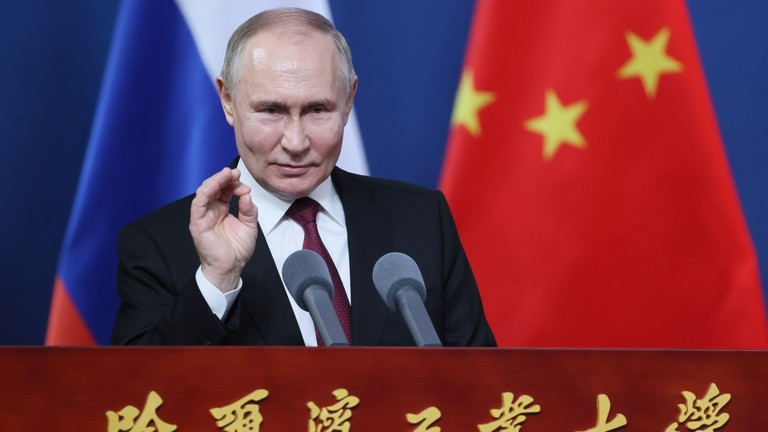
Vladimir Putin speaking at a podium with Russian and Chinese flags in the background.

Why US Pressure Keeps Pushing Moscow and Beijing Closer

This analysis explores the resilience of the Sino-Russian partnership, arguing that Western pressure has inadvertently solidified their cooperation. By examining the shift from ideological alignment to a partnership built on shared threats—and analyzing the failure of recent U.S. “wedge strategies”—we highlight why Moscow and Beijing view their collaboration as an indispensable strategic necessity, even amidst growing economic asymmetries and localized frictions.

Read More »
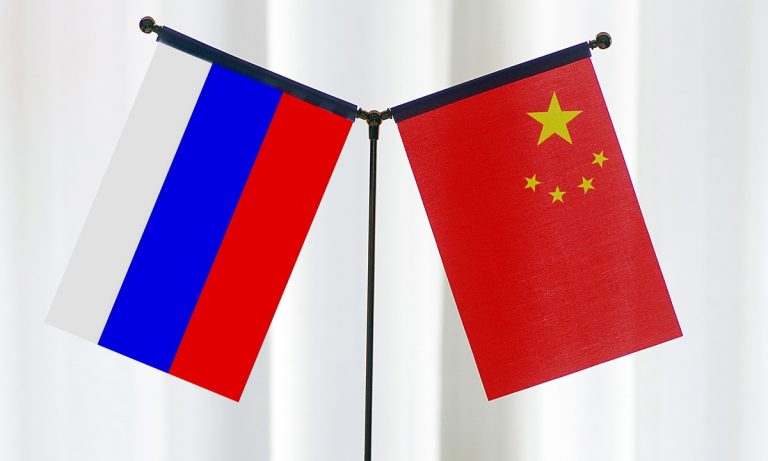
Small desktop flags of Russia and China standing crossed against a soft, light-colored background.

Putin’s 25th Visit to China Tests Beijing’s Balancing Act

This article analyzes Vladimir Putin’s 25th presidential visit to China, arriving immediately after Donald Trump’s departure from Beijing. While the leaders target energy deals like the Power of Siberia 2 pipeline, the summit highlights China’s strategic tightrope walk as an indispensable power broker managing ties with both Washington and Moscow.

Read More »
A silhouette of a crumbling Statue of Liberty against a setting sun, symbolizing national decline.

Why American Power Is Eroding From Within

This article argues that America’s greatest vulnerabilities lie in fiscal overstretch and a reliance on force over diplomacy. By prioritizing foreign interventions while domestic infrastructure and political institutions erode, Washington risks long-term instability. The piece advocates for strategic restraint and internal reinvestment to restore sustainable global leadership and national health.

Read More »
A stylized graphic for an article. It features a grayscale cutout of Hungarian Prime Minister Viktor Orbán on the left and a younger man in a traditional-style jacket gesturing on the right. The background is a textured representation of the Hungarian national flag.

Iran War Accelerates Multipolar World Order

The recent confrontation involving Iran marks a turning point in global geopolitics, accelerating the transition toward a multipolar order. This analysis explores how strained transatlantic ties, the rise of non-Western economic networks, and new metrics of technological strength are redefining influence, proving that unilateral action faces increasing limits in 2026.

Read More »

Karaganov’s Nuclear Gambit: Russia’s Hawkish Voice Grows Louder

Sergey Karaganov is intensifying his call for a radical overhaul of Russia’s nuclear strategy following the expiration of the New START treaty. His May 2026 proposals advocate for offensive deterrence, resumed nuclear testing, and targeting European centers, reflecting a dangerous shift in Moscow’s rhetoric toward global escalation and strategic compellence.

Read More »
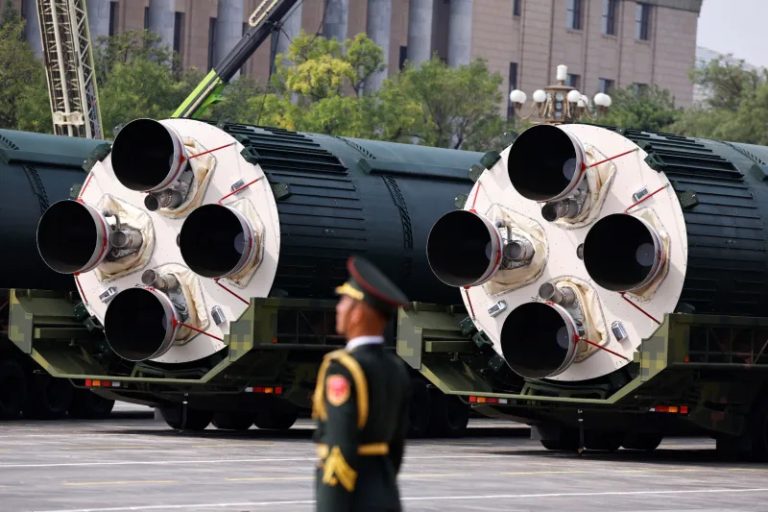
Large Chinese ballistic missile canisters on transport vehicles during a military parade with a soldier in the foreground.

US-China Nuclear Rivalry Edges Closer to the Brink

China’s rapid nuclear buildup, projected to exceed 1,000 warheads by 2030, is fundamentally reshaping global strategic stability. Driven by fears of US intervention, Beijing’s expansion has accelerated American modernization and deepened regional tensions. Breaking this cycle requires pragmatic, small-scale transparency measures and concrete discussions on restraint during upcoming high-level summits.

Read More »
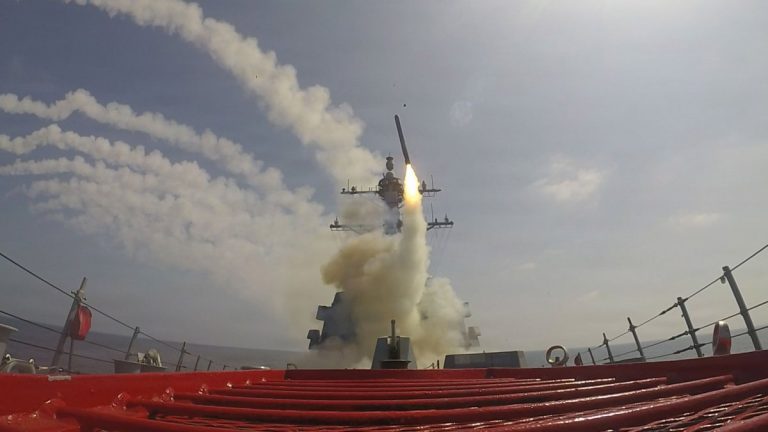
A missile being launched from the deck of a US Navy destroyer at sea, leaving a trail of white smoke.

US Missile Stocks Dwindle After Iran Ceasefire

Following the ceasefire with Iran, Pentagon officials are assessing significantly depleted weapons inventories. The high consumption of expensive systems like Tomahawks and Patriots has highlighted a need for more sustainable options. Consequently, the U.S. is accelerating the production of affordable alternatives, including the $35,000 LUCAS “kamikaze” drone.

Read More »
Workers climbing a high metal scaffolding to install white panels on a large building frame.

Why Strategic Hedging Defines Modern Statecraft

Driven by recent global upheavals, modern statecraft is increasingly defined by strategic hedging. Middle powers and established unions are diversifying their economic partnerships, defense suppliers, and resource chains to maximize autonomy. While this shift toward security over efficiency incurs economic costs, it provides essential insurance against an unpredictable international landscape.

Read More »
Close-up portrait of Donald Trump wearing a red "Make America Great Again" hat looking downwards.

Trump’s Failed Bet on Europe’s Far Right

The recent electoral defeat of Viktor Orbán in Hungary highlights the limitations of the Trump administration’s efforts to cultivate far-right alliances in Europe. Despite high-level support, domestic economic woes and corruption concerns led voters to reject the MAGA-aligned leader, signaling a growing disconnect between Washington’s nationalist exports and European political realities.

Read More »
Soldiers in military uniforms carrying a large European Union flag in front of the European Parliament building with various national flags in the background.

Europe Can’t Defend Itself Without Turkey

Europe’s pursuit of strategic autonomy faces a harsh reality: its defense architecture is mathematically incomplete without Turkey. From drone supremacy to providing NATO’s deepest missile warning via Kürecik, Ankara offers the scale and industrial speed that the EU currently lacks. As Turkey prepares to command NATO’s Allied Reaction Force in 2028, Brussels must bridge political friction with strategic necessity to ensure a credible defense against regional threats.

Read More »
A classic oil painting illustration of Uncle Sam looking stressed while leaning over a world map with European politicians around him.

Europe Tests Limits of US Influence

The transatlantic relationship is entering a new, more transactional era as European leaders increasingly prioritize domestic stability over unconditional alignment with U.S. foreign policy. Prime Minister Keir Starmer’s decision to opt out of the naval blockade against Iran highlights a growing strategic divergence, where European capitals are no longer willing to bear the economic costs of American-led confrontations.

Read More »
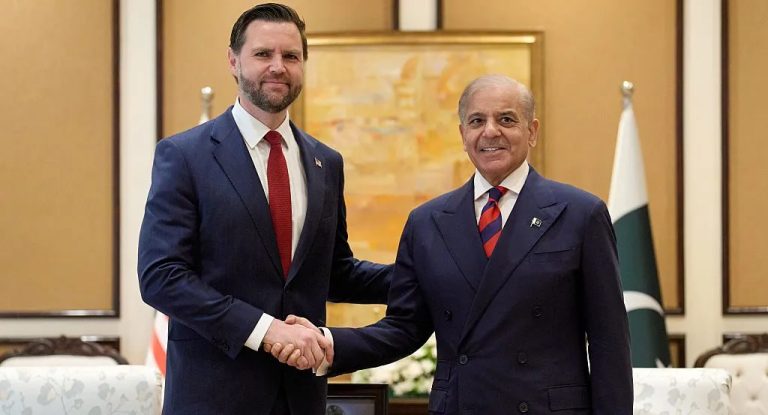
JD Vance shaking hands with Shehbaz Sharif during an official diplomatic meeting.

The STEP Quartet: How Four Muslim Nations Are Reshaping the Middle East

The emergence of the STEP quartet—Saudi Arabia, Turkey, Egypt, and Pakistan—marks a historic shift in Middle Eastern diplomacy. By brokering the Islamabad ceasefire, these four nations have positioned themselves as the primary mediators between Washington and Tehran, signaling a new regional order focused on strategic autonomy and collective security.

Read More »