Tag: India

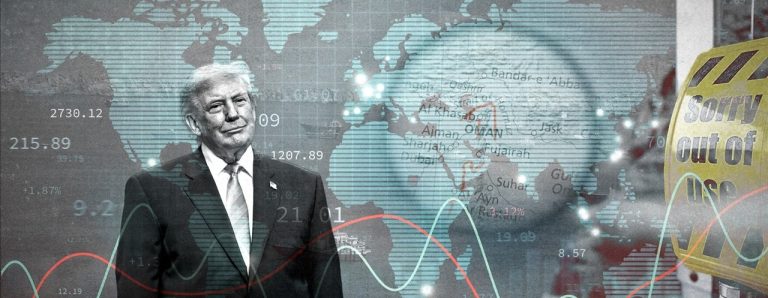
Graphic overlay featuring Donald Trump, financial stock charts, a map of the Strait of Hormuz, and a gas pump sign saying "Sorry out of use".

Strait of Hormuz Crisis Threatens Global Alliances

The disruption of the Strait of Hormuz highlights the systemic vulnerability of global supply chains dependent on distant maritime guarantees. Facing inflation, depleted treasuries, and severe energy shortfalls, European and Asian economies are experiencing the limits of traditional military alliances, compelling regional powers to pursue local defense pacts and strategic autonomy.

Read More »
Graphic collage featuring diamond mining, a worker with a shovel, and a man inspecting a gemstone.

Global Diamond Trade Finances Modern Military Campaigns

The international diamond trade relies on a complex supply chain that routinely bypasses ethical standards, channeling billions in revenues into national defense sectors. As current certifications fail to address state-sponsored violence, African producer nations are moving to reclaim local resource control and dismantle networks funding modern warfare.

Read More »
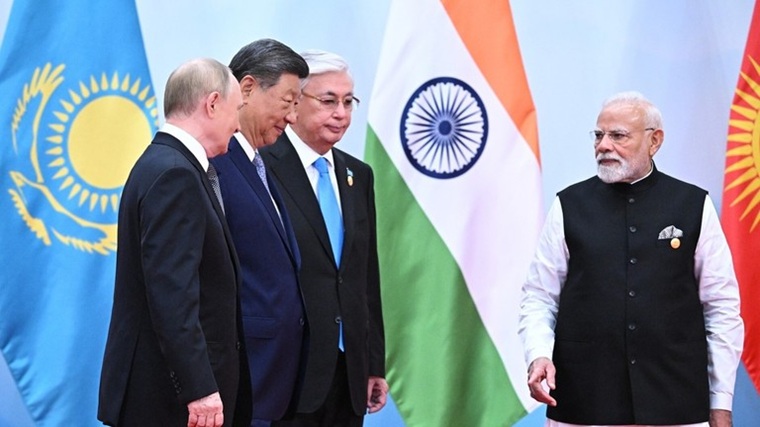
Narendra Modi greeting Vladimir Putin, Xi Jinping, and Kassym-Jomart Tokayev in front of national flags.

India Anchors Eurasian Strategy in the SCO

India uses the SCO to preserve strategic autonomy across Eurasia. Engaging directly with rivals allows New Delhi to balance maritime commitments with continental security. This vital presence prevents unchallenged dominance by competitors and ensures a multipolar region despite ongoing trade challenges.

Read More »
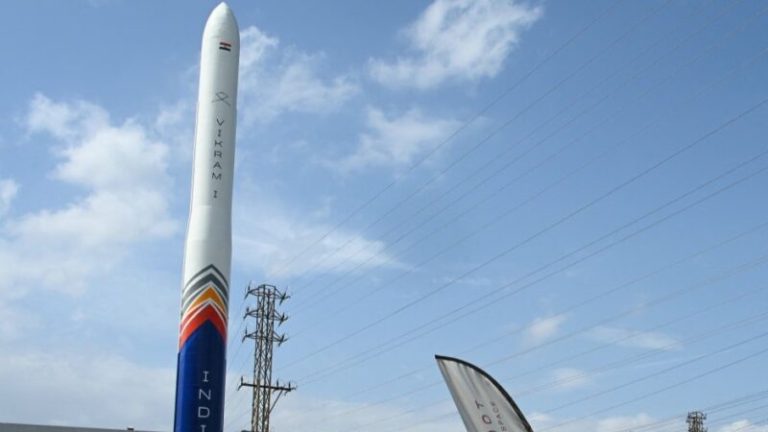
Skyroot Aerospace Vikram-1 rocket standing vertically against a blue sky at a launch facility in India.

India Drives Private Space Race As Europe Lags

A historic shift is underway in the global aerospace industry. India’s private sector just achieved its first successful orbital launch with Skyroot Aerospace’s Vikram 1 rocket, while Europe faces severe launch bottlenecks and regulatory delays that threaten its strategic autonomy in space.

Read More »
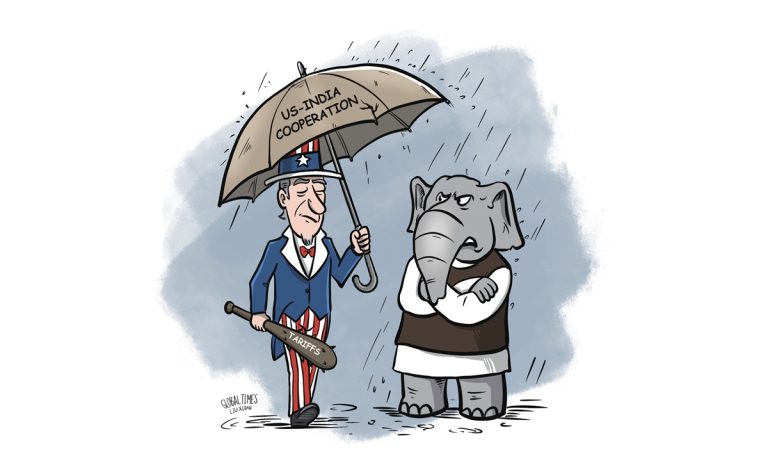
Political cartoon showing Uncle Sam holding a broken umbrella labeled US-India Cooperation while holding a club labeled Tariffs, facing an angry elephant representing India.

India’s Delicate Dance Between Washington and Beijing

As global dynamics shift, India is rebalancing its foreign policy by thawing relations with China while expressing caution over American unpredictability. By prioritizing strategic autonomy over zero-sum alliances, New Delhi is navigating an increasingly fractured world order to protect its national interests and strengthen ties with the Global South.

Read More »
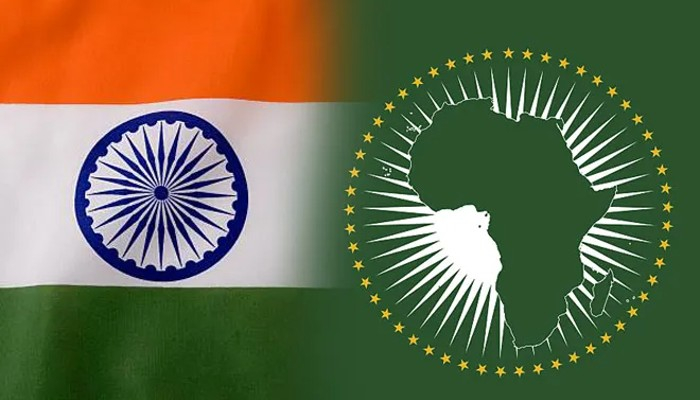
The national flag of India on the left and the green flag of the African Union featuring a map of Africa surrounded by gold stars on the right.

India-Africa Partnership Needs a New Strategic Push

This article examines the critical need for a strategic reset in India-Africa relations ahead of the May 2026 summit in New Delhi. Moving beyond historical sentiment, the analysis highlights capacity building, digital public infrastructure, and maritime cooperation as essential pillars to transform broad goodwill into measurable economic partnership.

Read More »
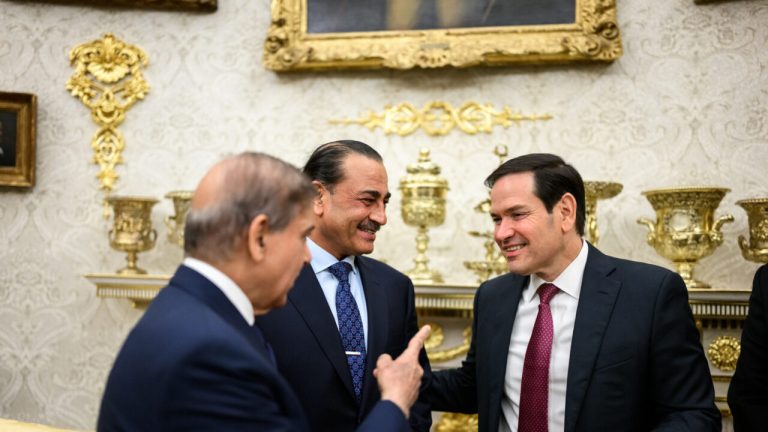
Asim Munir and Marco Rubio conversing in a formal setting.

Why Pakistan’s Iran Mediation Won’t Reset US Ties

Despite successfully brokering a fragile April ceasefire between Washington and Tehran, Pakistan faces a steep climb to restore long-term strategic trust with the U.S. Persistent concerns over militant groups, the fallout from the 2025 Pahalgam attack, and Islamabad’s deep economic ties with China suggest that the current warmth remains largely transactional and issue-dependent.

Read More »
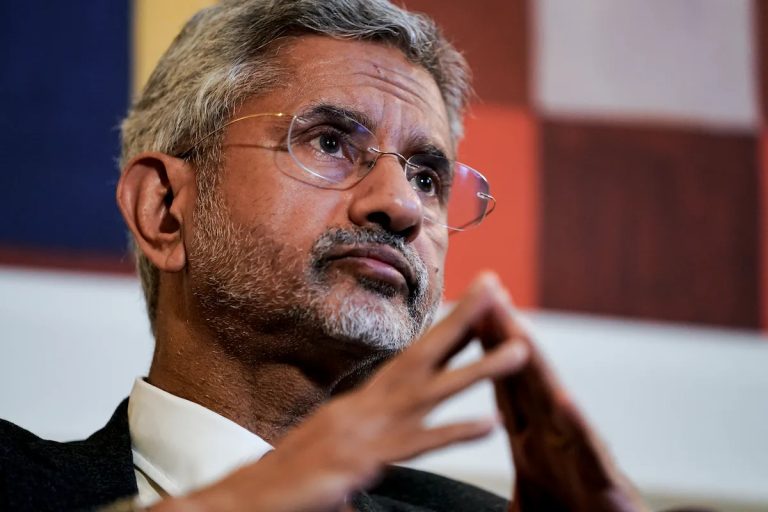
Close-up portrait of Subrahmanyam Jaishankar, India's Minister of External Affairs, looking thoughtful with his hands clasped.

India’s Iran War Silence Exposes the Limits of “Strategic Autonomy”

The sinking of the IRIS Dena and the subsequent “silence” from New Delhi have ignited a fierce domestic and international debate over the reality of India’s “Strategic Autonomy.” While Pakistan has positioned itself as a central diplomatic intermediary between Washington and Tehran, India finds itself grappling with a “strategic embarrassment” that has paralyzed its traditional role as a regional leader.

Read More »
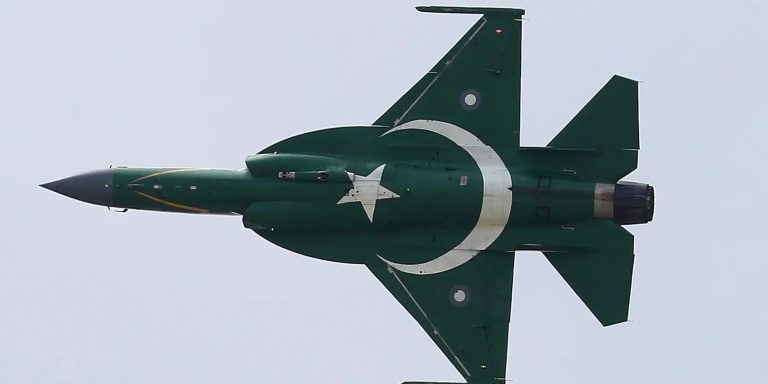
JF-17 Thunder fighter jet with the Pakistani flag painted on its fuselage flying against a clear sky.

Pakistan and Turkey Are Breaking the Western Monopoly on Airpower

Pakistan’s JF‑17 and Turkey’s Bayraktar drones are eroding Western dominance in airpower. Cheap, combat‑tested, and free of political conditions, they’re winning major export deals across Asia, Africa, and the Middle East. As Washington pushes back, a multipolar arms market is emerging — reshaping who can project power from the skies.

Read More »
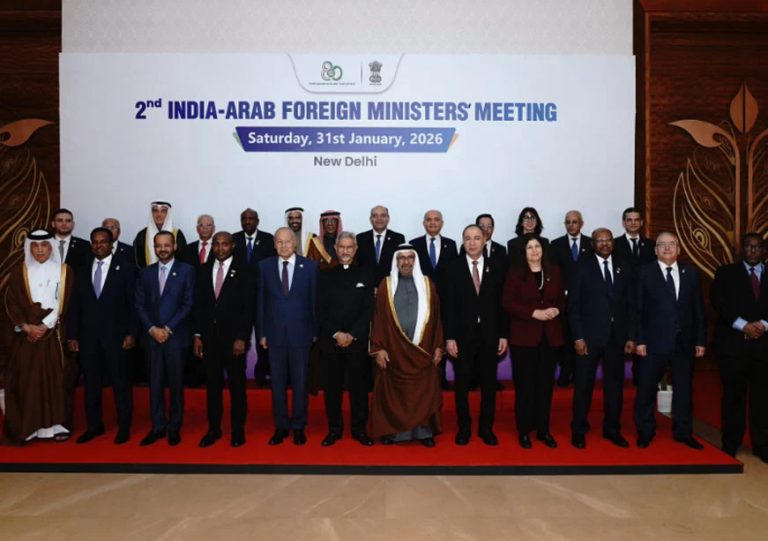
A group of over twenty diplomats and officials in suits and traditional Arab attire standing for a formal group photo on a red carpet in front of a large white banner that reads "2nd INDIA-ARAB FOREIGN MINISTERS' MEETING, Saturday, 31st January, 2026, New Delhi."

India’s Multipolar Gamble With the Arab World

The revival of the India–Arab Foreign Ministers’ Meeting after a decade isn’t just a diplomatic reunion. It’s a sign that both India and the Arab world are trying to position themselves in a world where the Western-led order is cracking from within — and where Washington’s reliability can no longer be assumed.

Read More »
A wide high-angle shot of a residential rooftop in a sunny urban area featuring multiple solar panel arrays and people gathered on the terrace.

Digital Energy Architecture: Why Grid Modernization Precedes Climate Action in the Global South

In early 2026, the Global South is pioneering a “Digital Public Infrastructure” (DPI) approach to energy that shifts the focus from building solar panels to building the “intelligence” required to manage them. As global electricity demand is projected to grow by 3.7% in 2026, primarily outside advanced economies, the traditional linear grid is being replaced by Digital Energy Architecture.

Read More »
A person seen from behind, carrying a rifle across their shoulders and wearing ammunition belts, looking at the sea.

Somaliland and the Scramble for Red Sea Dominance

In early 2026, the Red Sea corridor is undergoing a profound structural shift following Israel’s formal recognition of Somaliland on December 26, 2025. This move shattered a 34-year diplomatic stalemate and has effectively birthed a new “Middle Power Axis” in the Horn of Africa.

Read More »