
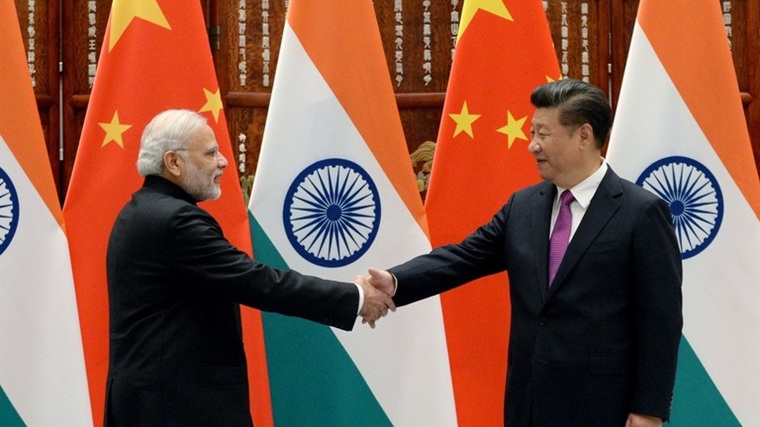
Despite years of military tension following deadly border clashes in 2020, New Delhi and Beijing are slowly establishing a cautious diplomatic thaw. Driven by changing global dynamics, leadership in both nations recently initiated structured bilateral meetings to stabilize their shared frontiers. Both Asian powers recognize that managing their strategic differences offers far more benefits than maintaining perpetual conflict.
Easing Frontier Tensions
The most visible sign of this stabilization emerged when top national security officials recently convened in Beijing to hold their 25th round of special representative talks. Their joint statement committed to resolving ongoing border disputes using previously established political parameters. Beyond military disengagement, diplomatic progress allowed authorities to restore direct flights between the two countries. This agreement also permitted Indian citizens to once again undertake the sacred Kailash Mansarovar pilgrimage in Tibet. Additionally, both sides agreed to resume sharing critical hydrological data concerning transborder rivers, which helps regional authorities predict flash floods along the Brahmaputra basin.
Economic and Energy Pragmatism
Economic realities continue to force cooperation despite deep political distrust. Bilateral trade recently surged, as commercial exchanges surpassed 150 billion dollars during the last financial year. Both nations rely heavily on foreign energy to fuel their massive populations, a vulnerability exacerbated by recent supply disruptions across the Middle East. With previous suppliers like Iran currently facing heavy sanctions, New Delhi strategically expanded crude purchases from Russia alongside alternative markets like Venezuela and the United Arab Emirates. This mutual dependence on Russian energy supplies creates a shared interest in maintaining stability through organizations like BRICS and the Shanghai Cooperation Organization.
Regional Hurdles and Future Strategy
Major diplomatic obstacles still threaten this fragile reconciliation. New Delhi views the deep military partnership between Beijing and Islamabad with immense suspicion, particularly concerning massive infrastructure projects developed under the Belt and Road Initiative. Recent political changes in neighboring Bangladesh suggest that Beijing is actively expanding its sphere of influence right across the region. Conversely, Chinese leadership faces immense internal pressures, including demographic decline and aggressive trade tariffs imposed by Washington.
Ultimately, this renewed engagement represents pragmatic crisis management rather than a sudden alliance. As the Chinese president prepares to visit New Delhi for the upcoming BRICS summit, both governments appear focused on preventing border disputes from derailing their broader economic ambitions. By compartmentalizing their political disagreements, the two most populous nations on earth can prioritize internal growth over costly regional friction.
Original analysis inspired by Dr. Rupakjyoti Borah from RT. Additional research and verification conducted through multiple sources.


