Tag: ICC

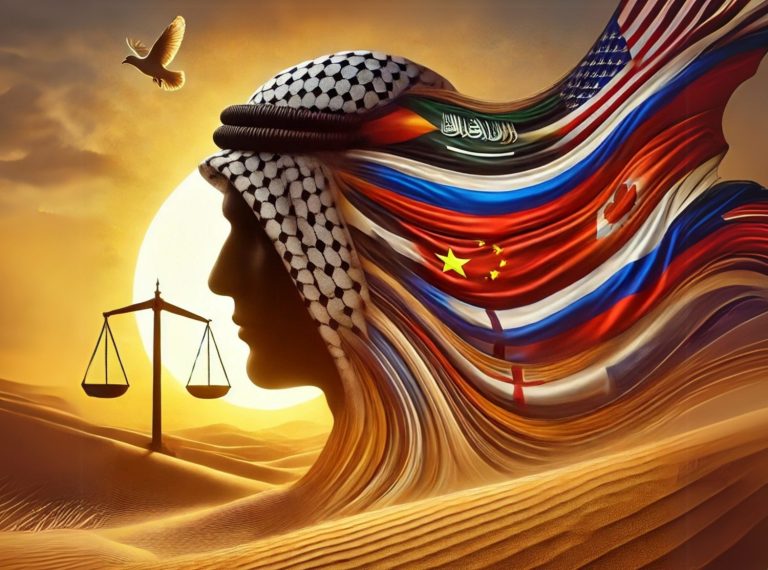
Artistic conceptual representation of a Middle Eastern figure integrated with international flags and a scale of justice.

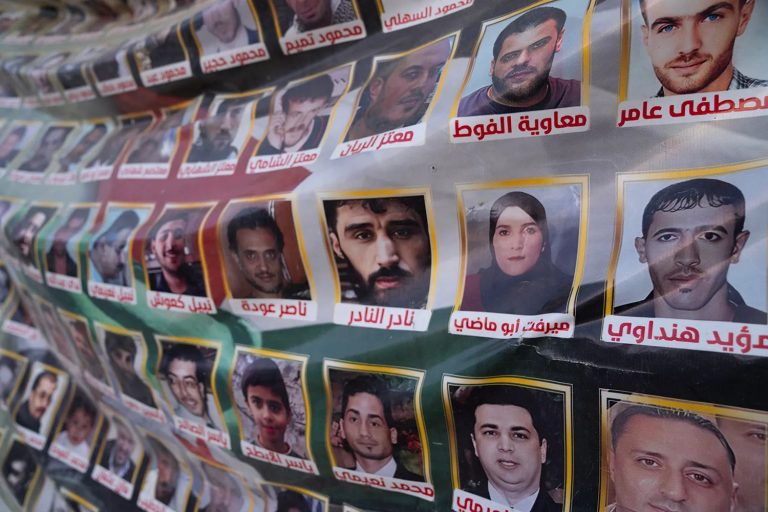
International Law Is Losing the Middle East, Here Is How to Save It

This analysis argues that international law is losing its relevance in the Middle East, transforming from a system of restraint into a language of accusation. By examining the structural failures of the ICJ, ICC, and Security Council, we explore how selective enforcement and the lack of political consequences have rendered legal condemnations ineffective against ongoing conflicts.

Read More »
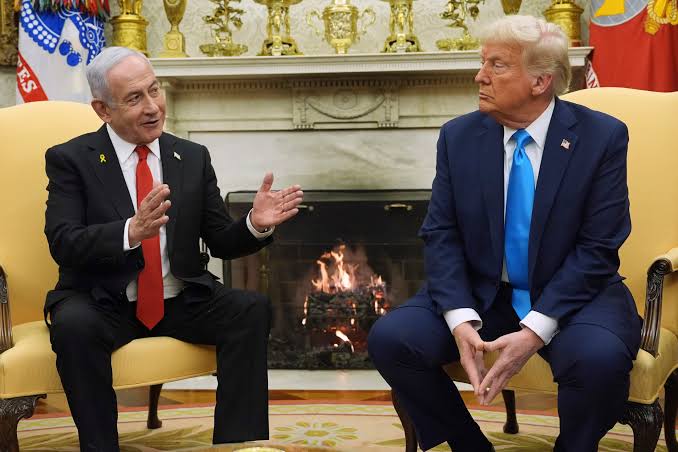
Donald Trump and Benjamin Netanyahu seated in chairs at the White House.

Trump Holds the Cards Over Netanyahu — Will He Play Them?

This analysis examines the strategic opportunity for the Trump administration to exert pressure on Israeli Prime Minister Benjamin Netanyahu ahead of the October 2026 Knesset elections. Despite legislative efforts in the U.S. House to deeply integrate U.S.-Israel defense and intelligence systems, the author argues that the White House holds substantial transactional leverage. By conditioning this “legislative prize” on verifiable Israeli cooperation regarding a ceasefire and Palestinian self-determination, the administration could pivot away from its current role as a passive observer and actively steer the region toward stability, forcing a confrontation between Netanyahu’s wartime political strategy and essential American foreign policy objectives.

Read More »
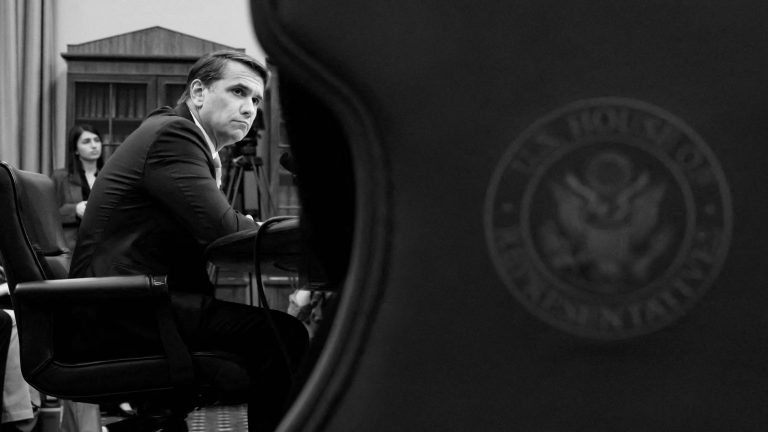
A man in a suit sitting at a table, viewed from behind a U.S. House of Representatives seal.

Trump’s Quiet Plan to Revive the Weaponization Fund

This investigation reveals the tactical pivot behind the Trump administration’s apparent abandonment of its controversial $1.776 billion “Anti-Weaponization Fund.” While public testimony before Congress suggested the scheme was terminated, evidence suggests the Justice Department is instead utilizing the 1946 Federal Tort Claims Act as an alternative mechanism to compensate allies. By facilitating out-of-court settlements, the administration maintains a pathway for taxpayer funds to reach supporters—including January 6 defendants—bypassing the legislative and judicial scrutiny that initially froze the formal commission. The piece analyzes how this pattern of public retreat and quiet operational maneuvering continues to challenge the limits of executive power and the integrity of the U.S. Treasury.

Read More »
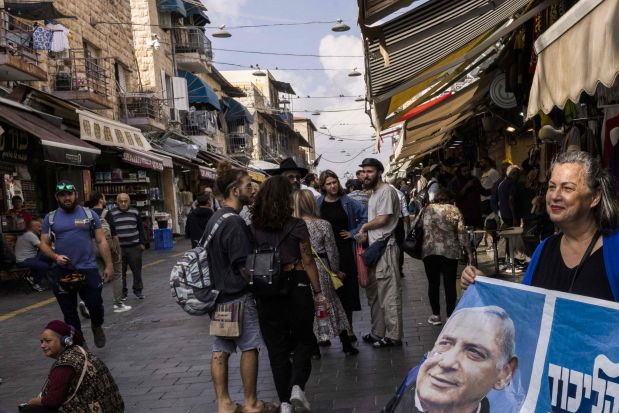
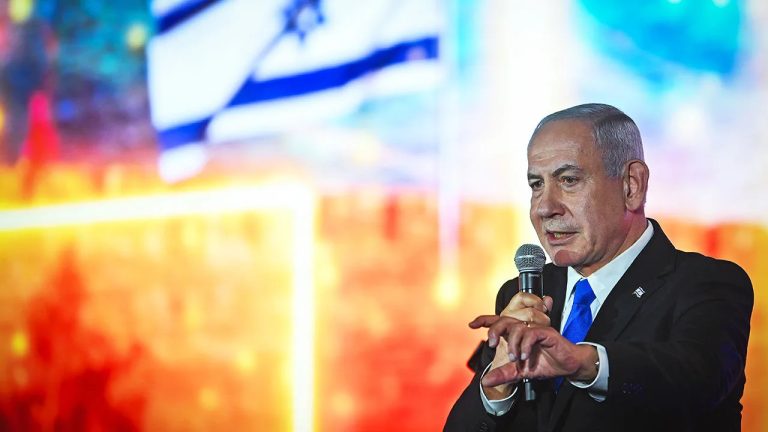
Israeli Prime Minister Benjamin Netanyahu speaking at a podium with an Israeli flag in the background.

The Three Crises Netanyahu Leaves Behind

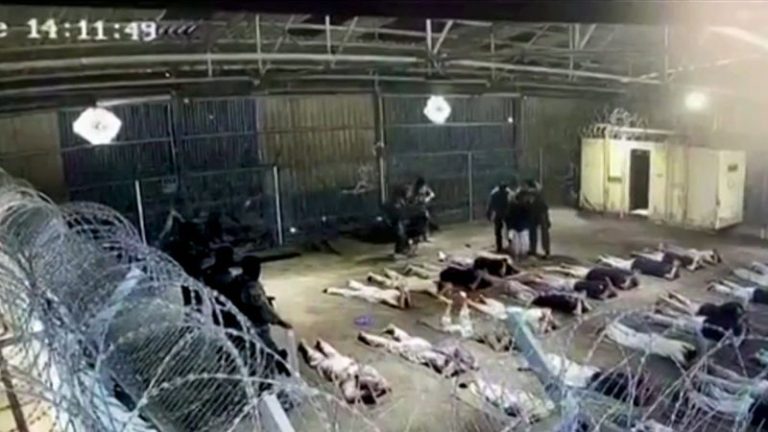
This analysis explores the three fundamental crises defining the end of Benjamin Netanyahu’s premiership as Israel heads toward potential early elections. Following the preliminary Knesset vote to dissolve itself on May 20, 2026, the report examines the long-term impact of Israel’s deepening international criminal exposure, the evolution of settler outposts into a quasi-paramilitary security apparatus in the West Bank, and the profound legal and ethical implications of the newly established military tribunal for October 7 suspects. By framing these issues as “fixed terrain,” the article argues that these structural legacies will constrain and challenge any successor government, regardless of the election outcome.

Read More »
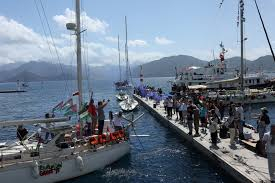
Sumud Flotilla boats docking at a pier.

Sumud Flotilla Tests Limits of Gaza Blockade

This report examines the escalating confrontation between civilian aid missions and the Gaza blockade, highlighted by the recent interception of the Global Sumud Flotilla. By analyzing the intersection of maritime law, humanitarian necessity, and international diplomatic response, the article explores how these high-seas encounters are reshaping global discourse on accountability and the ethics of enforcing territorial restrictions amidst a deepening humanitarian crisis.

Read More »
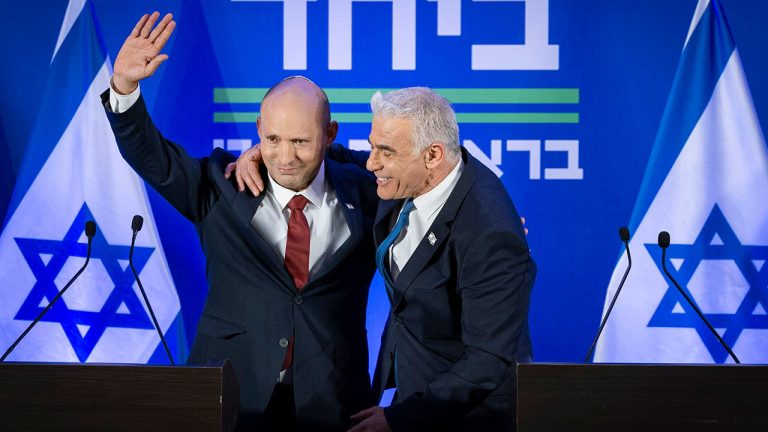
Naftali Bennett and Yair Lapid standing together at a podium with Israeli flags.

Israel’s Election Will Exclude Millions It Governs

This analysis examines the democratic paradox inherent in Israel’s upcoming elections, where political representation remains systematically inaccessible to millions of Palestinians living under military rule. Drawing on recent findings from the ICJ and UN human rights bodies, we explore how current annexationist policies and the exclusionary nature of the electoral process further entrench a dual-regime system, challenging the foundations of political legitimacy in the region.

Read More »
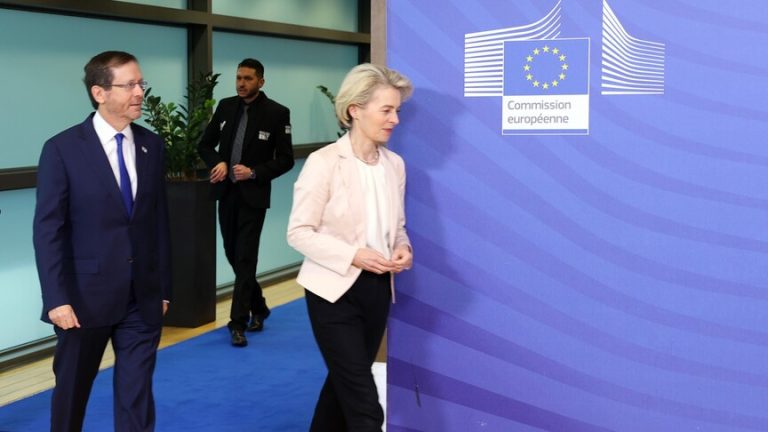
Ursula von der Leyen and Isaac Herzog walking together at the European Commission building in Brussels.

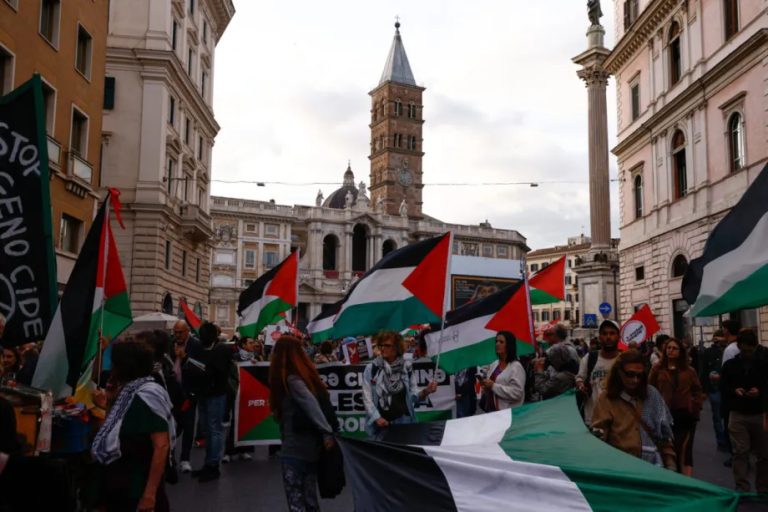
Europe’s Israel Policy Faces Public Reckoning

European nations are facing a significant public reckoning regarding their Israel policies. As favorable views reach single digits in several countries, a massive citizens’ petition has forced EU leaders to debate the suspension of the Israel Association Agreement, exposing a deepening divide between government diplomacy and public sentiment.

Read More »
A composite collage featuring Donald Trump, Benjamin Netanyahu, a fighter jet, missiles, and the UN Security Council chamber over a map of Iran.

The UN Security Council Blamed the Wrong Country in the Iran War

UN Security Council Resolution 2817 has come under fire for bias, condemning Iranian strikes while ignoring the Gulf states’ role in hosting the initial U.S. and Israeli attacks. Critics argue this selective enforcement of “territorial integrity” and the failure to apply proportionality standards to civilian casualties has severely eroded the legal credibility of the UN charter.

Read More »
Illustration of Arash the Archer firing missiles instead of arrows in a modern geopolitical art style.

Iran Won’t Break. But It Might Implode From Within.

Iran’s deep cultural cohesion and the IRGC’s tightening grip mean the regime won’t collapse under foreign pressure, but the war is accelerating internal tensions that could push the country toward an eventual implosion driven from within rather than imposed from outside.

Read More »
Protester holding a sign that says "NO MORE WAR CRIMES" with a skull illustration during a street demonstration.

The World War III Has Already Gone Global

The assault on Iran is accelerating a broader collapse of the post‑1945 legal order. From Ukraine to Gaza to Tehran, major powers are bypassing the UN system, normalizing unilateral force, and eroding sovereignty norms. As institutions weaken and nuclear incentives rise, the world drifts toward a multipolar landscape defined less by rules than by raw power.

Read More »