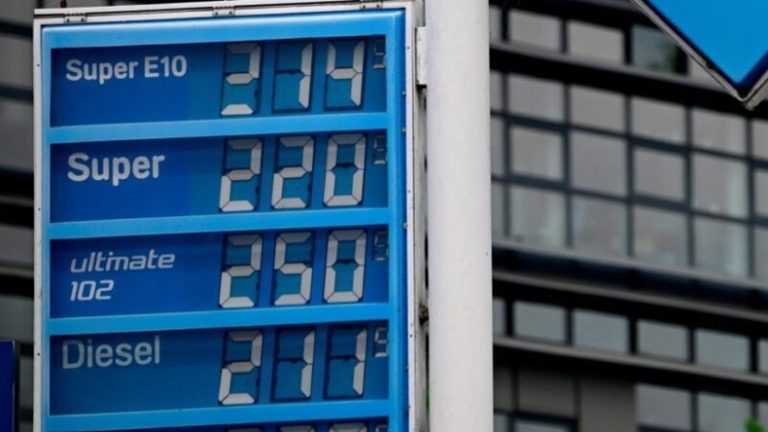
The expectation that European utility bills would only spike during freezing winter temperatures has been shattered by recent market developments. Escalating instability across maritime trade corridors combined with extreme summer heatwaves has placed electric grids under immense strain months ahead of schedule. While continental leaders hoped that diversifying fuel procurement would insulate factories and homes from geopolitical turbulence, structural vulnerabilities continue to plague the bloc. European markets now confront an accelerated timeline where industrial survival depends on enduring the autumn season intact.
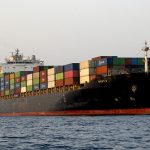
Continental industrial output faces immediate pressure as fuel import expenses climb to unsustainable levels. Recent regional conflicts along Persian Gulf export routes quickly destabilized global petroleum supplies and inflated wholesale delivery tariffs. That sudden disruption added tens of billions of euros to European import costs while trade balances slipped into negative territory. Manufacturing sectors struggle to absorb these utility expenses while competing against foreign producers who enjoy substantially lower electricity rates.
Depleted Reserves and Escalating Costs
Wholesale gas benchmarks steadily climbed throughout the late summer to reach heights unseen since previous supply shocks. Underground storage caverns currently remain far emptier than historical averages for this stage of the annual cycle. Depleted reserves leave national distributors with minimal protection against sudden cold snaps or additional transport disruptions. Market analysts now project that fuel costs could surge well above one hundred euros per megawatt hour before the end of the year.
These elevated fuel prices directly affect living standards by reigniting broader inflation across the continent. Central banking officials warn that persistent price surges will force additional monetary tightening across member states. Stricter monetary measures inevitably raise borrowing costs for businesses and increase mortgage burdens on struggling families. Consequently, national governments must consider emergency windfall levies on profitable energy producers to fund social assistance programs.
Flaws in European Energy Strategy
The unfolding situation exposes fundamental flaws in the transition toward liquefied natural gas as a replacement for pipeline deliveries. Shifting away from eastern suppliers merely transferred strategic exposure toward volatile maritime sea lanes and foreign export terminals. When distant regional conflicts halt tanker traffic, the continent discovers that reliance on global spot markets creates severe price volatility. Policymakers must recognize that genuine self sufficiency cannot rely simply on reshuffling foreign import channels.
Managing the impending crisis requires political leadership to abandon rigid dogmas in favor of practical resilience measures. Continental institutions must coordinate short term stockpiling efforts while protecting vulnerable households from sudden price spikes. Without an adaptable approach that balances immediate market shocks with long term stability, ambitious green goals risk collapse under the weight of voter discontent. The upcoming months will ultimately reveal whether decision makers can prevent a complete breakdown of European industrial competitiveness.
Original analysis inspired by Botond Árpási from The European Conservative. Additional research and verification conducted through multiple sources.
By ThinkTanksMonitor