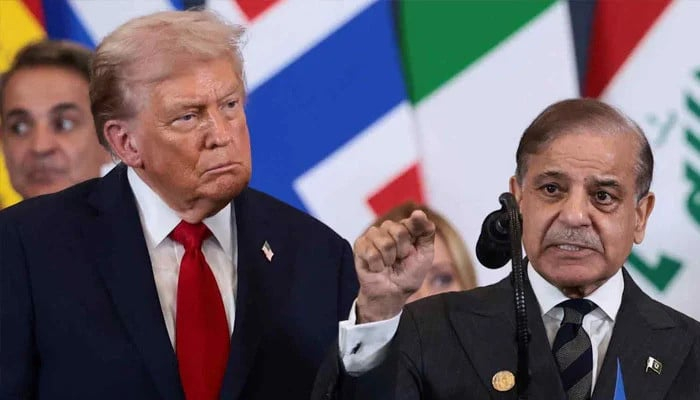
Pakistan has stepped into the spotlight as a key facilitator in the stalled talks between the United States and Iran. Hosting the first direct high-level engagement between the two sides since 1979, Islamabad is positioning itself as a neutral broker capable of bridging deep divisions. This role comes at a moment when both Washington and Tehran seek an off-ramp from conflict, yet it also reflects Pakistan’s own pressing vulnerabilities along its borders and in its energy supplies.
The mediation effort carries clear stakes for Islamabad. With over 85 percent of its oil and nearly all its liquefied natural gas coming from Gulf suppliers, any prolonged disruption in the Strait of Hormuz threatens economic stability. Saudi Arabia has already extended financial support, rolling over a $5 billion facility and adding another $3 billion to help Pakistan weather the crisis. At the same time, the 900-kilometer shared border with Iran remains volatile, with militant activity in Balochistan posing risks to both security and trade routes.
Personal Ties Shape Strategy
Close relations between US President Donald Trump and Pakistan’s army chief, Field Marshal Asim Munir, have helped open doors in Washington. Munir has cultivated ties through counter-terrorism cooperation and discussions on critical minerals and cryptocurrency. These links have fueled speculation that Pakistan hopes to translate its diplomatic usefulness into tangible economic benefits, including investment in mining and digital infrastructure.
Yet history offers cautionary lessons. In 1971, Pakistan played a pivotal role facilitating the US opening to China, expecting strong support during its own crisis with India. That backing proved largely symbolic, failing to prevent the loss of East Pakistan. Today’s leadership in Islamabad would be wise to temper expectations about what mediation might yield from the current US administration.
Pakistan’s motives extend beyond immediate economic relief. The country hosts the world’s second-largest Shia population after Iran, and sectarian tensions, though mostly contained, add another layer of sensitivity. Recent protests in Karachi and Islamabad over events in Iran have highlighted these domestic pressures. By helping broker peace, Pakistan aims to stabilize its western frontier while reinforcing its image as a responsible regional actor rather than a destabilizer.
The mediation also serves broader strategic goals. Pakistan maintains working ties with both Iran and Gulf states, balancing relationships that have sometimes clashed. Its defense links with Saudi Arabia and Qatar provide additional leverage, while geographic proximity makes de-escalation a direct national interest. Successful facilitation could enhance Islamabad’s standing in Washington and among Gulf partners, potentially unlocking new avenues for trade and investment.
Limits of Influence
Still, Pakistan’s role as mediator faces inherent constraints. Its ongoing military operations against Afghan-based militants have complicated relations with Kabul and raised questions about neutrality. The yet-to-be-ratified mutual defense agreement with Saudi Arabia adds further ambiguity to its position. Critics argue that while Pakistan offers a convenient venue, its ability to shape final outcomes remains limited.
For the United States, engaging Pakistan serves practical purposes. It provides a channel less burdened by the historical baggage of direct talks and allows Washington to test Iranian positions without full commitment. Trump has signaled openness to a second round in Islamabad, suggesting the format retains value even after the first session produced no breakthrough.
Looking ahead, Pakistan’s gains may prove modest. Energy security and border stability represent the most immediate benefits if the ceasefire holds and talks advance. Longer-term economic dividends from the US, however, are far from guaranteed. The country’s history of transactional diplomacy with Washington shows that influence often translates into short-term support rather than transformative partnerships.
As negotiations continue, Pakistan’s emergence as a mediator highlights the shifting landscape of Middle East diplomacy. Smaller powers with strategic geography and personal connections can carve out relevance even amid great-power rivalry. For Islamabad, the challenge lies in converting this moment of visibility into lasting advantages without overextending its limited resources or compromising core security interests.
The coming weeks will reveal whether Pakistan’s bet on mediation delivers meaningful returns or simply buys time in a volatile region. In a multipolar environment where no single actor dominates, such calculated diplomacy may become an increasingly common tool for middle powers seeking to protect their interests.
Original analysis inspired by Dr Farzana Shaikh from Chatham House. Additional research and verification conducted through multiple sources.