Tag: BRICS

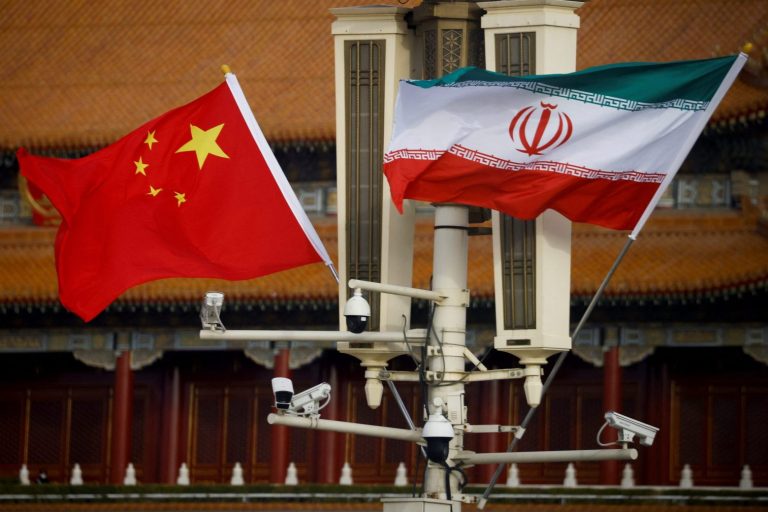
The national flags of China and Iran flying together on a lamp post in front of a traditional Chinese building.

China Accelerates Self-Reliance Amid Iran Conflict

China is cushioning Middle East shocks through reserves, EV adoption, and supply‑chain controls while hedging diplomatically. The Iran conflict is accelerating Beijing’s push for self‑reliance and diversified energy ties without deeper military entanglement.
Read More »
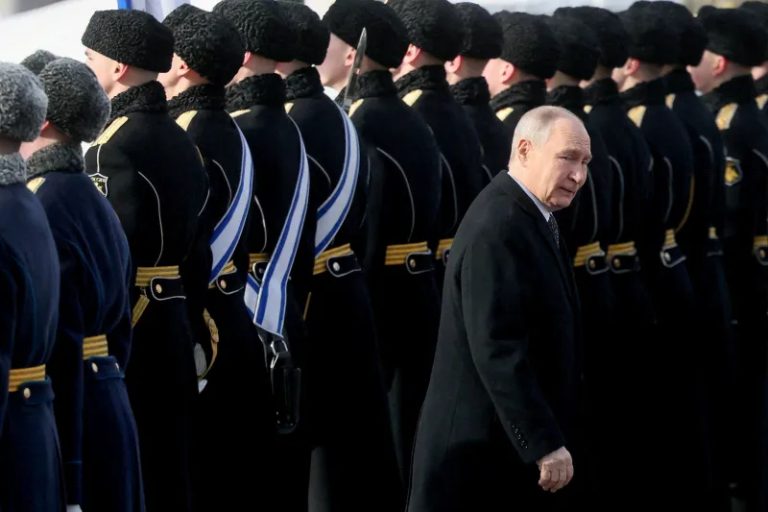
Vladimir Putin walking past a line of Russian military guards in uniform.

Trump’s America Foils Putin’s Global Strategy

The return of Donald Trump has disrupted Vladimir Putin’s long-term global strategy by devaluing the international institutions where Russia holds formal power. As Washington pivots to parallel mechanisms and unilateral action, Moscow finds its traditional diplomatic leverage weakened, forcing the Kremlin to recalibrate its influence amid the ongoing conflict in Ukraine.

Read More »
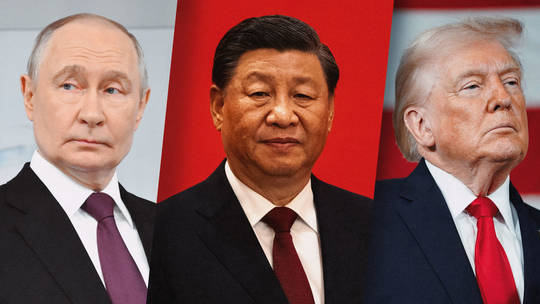
Portrait montage of world leaders Vladimir Putin, Xi Jinping, and Donald Trump.

Why Grand Bargains Elude Washington, Beijing and Moscow

High-level summits in Beijing between leaders of the U.S., China, and Russia highlight a new era of strategic distrust. As interdependence fades, these powers are prioritizing economic resilience and flexible, time-limited understandings over comprehensive global accords. This shift reflects a broader trend toward a fragmented, multipolar world defined by competition rather than shared rules.

Read More »
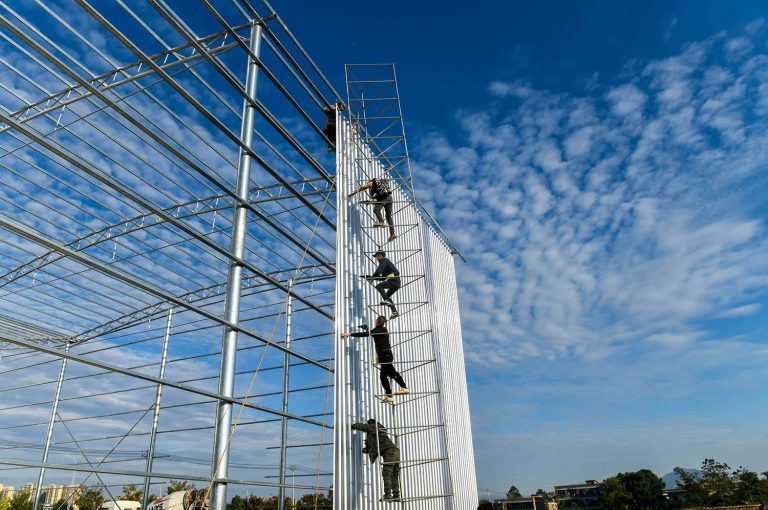
Workers climbing a high metal scaffolding to install white panels on a large building frame.

Why Strategic Hedging Defines Modern Statecraft

Driven by recent global upheavals, modern statecraft is increasingly defined by strategic hedging. Middle powers and established unions are diversifying their economic partnerships, defense suppliers, and resource chains to maximize autonomy. While this shift toward security over efficiency incurs economic costs, it provides essential insurance against an unpredictable international landscape.

Read More »
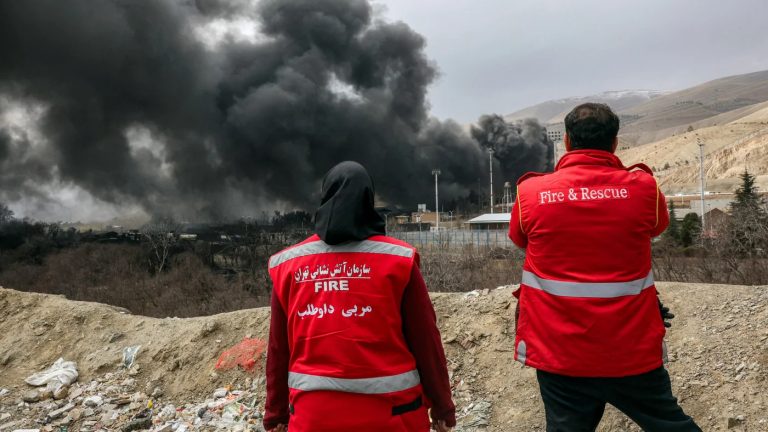
Two Iranian firefighters in red vests looking at thick black smoke rising from a distant facility.

Trump’s Iran Oil Threats Echo Decades of Plunder

Recent military strikes on Iranian energy infrastructure, including the Shahran refinery, have escalated tensions. President Trump’s rhetoric regarding the seizure of Iran’s oil reserves highlights a long-standing history of resource-based interventions. This situation mirrors historical events like the 1953 coup, reflecting an ongoing global struggle for economic sovereignty and resource control.

Read More »
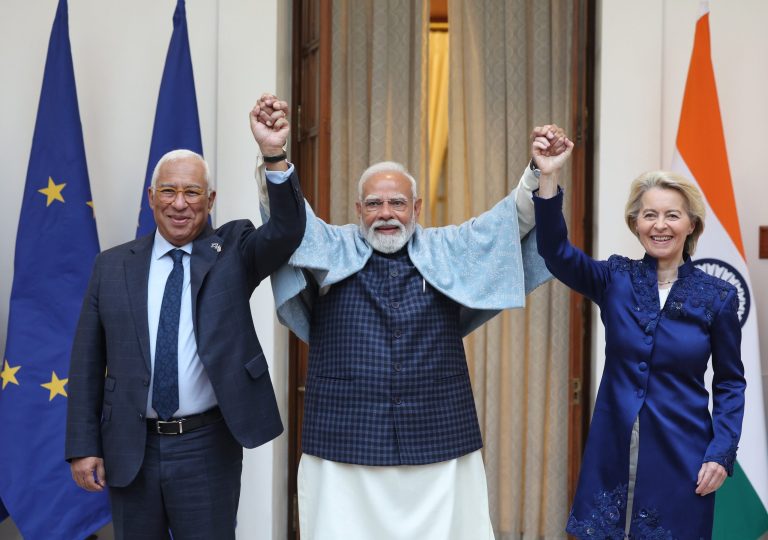
Indian Prime Minister Narendra Modi standing between two European leaders, holding their hands up in a gesture of unity.

India’s Balancing Act: Surviving Trump 2.0 Without Picking a Side

The second Trump presidency has stress-tested India’s foreign policy like never before. Faced with tariff shocks and diplomatic friction over Russian oil, New Delhi has doubled down on its doctrine of multi-alignment. From finalizing a landmark EU trade deal to joining the US-led “Pax Silica” initiative while maintaining ties with Moscow and Beijing, India is navigating a fragmented global order by transforming economic pressure into strategic resilience.

Read More »
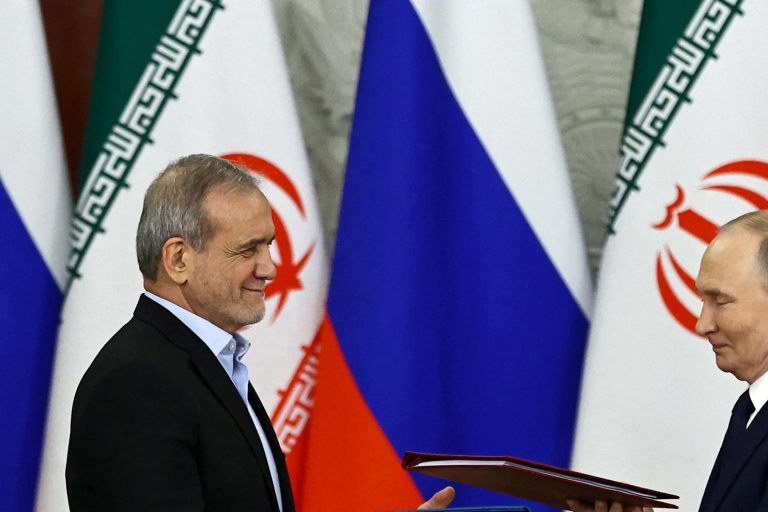
A close-up shot of a high-ranking official smiling while standing next to Vladimir Putin with Iranian and Russian flags in the background.

Iran Conflict Strengthens Authoritarian Networks

The ongoing conflict with Iran has unveiled a sophisticated web of cooperation among authoritarian states. Beyond tactical military aid, China and Russia are helping Tehran build a parallel economic and technological system. From electronic warfare sharing to the normalization of non-dollar trade, this “Authoritarian Collaboration” is actively reshaping global alignments and challenging the resilience of democratic alliances.

Read More »
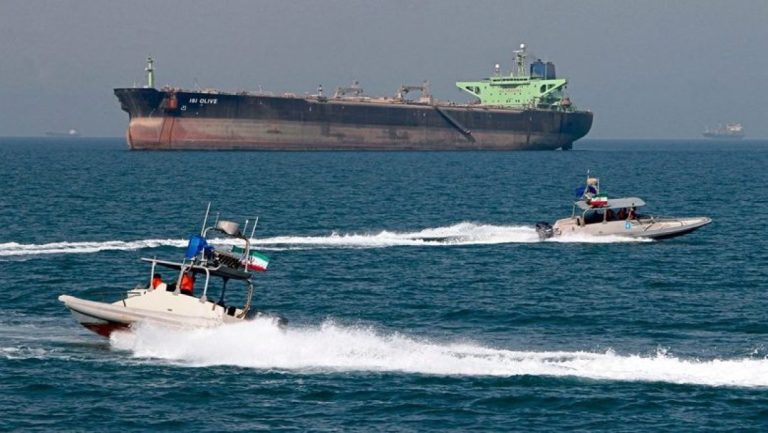
Two Iranian military speedboats patrolling near a large cargo ship or oil tanker at sea.

Russia’s Influence Fades Across Central Asia

Moscow’s influence across Central Asia is steadily eroding due to the economic strains of war and sanctions. Regional powers are now diversifying their strategic partnerships, prioritizing the Middle Corridor and Chinese investment over traditional Russian ties to secure long-term infrastructure, energy reliability, and economic independence in a multipolar landscape.

Read More »
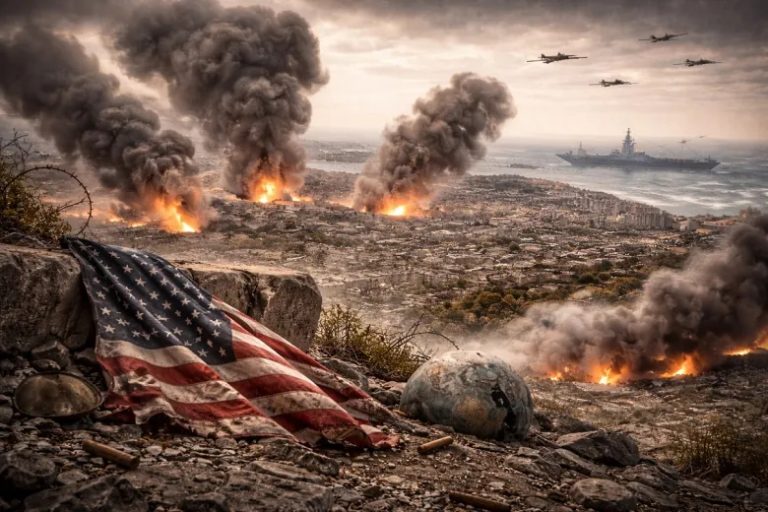
Dramatic digital art of a coastal conflict with an American flag in the foreground and a damaged globe.

The Gulf Conflict and the Accelerating Shift to Multipolarity

The second month of the 2026 Iran War marks more than just a regional military crisis; it is the catalyst for a fundamental reordering of global power. The conflict has acted as a “stress test” for 20th-century security models, and the results have accelerated a shift toward a multipolar world where American unilateralism is being replaced by regional self-reliance and alternative financial networks.

Read More »
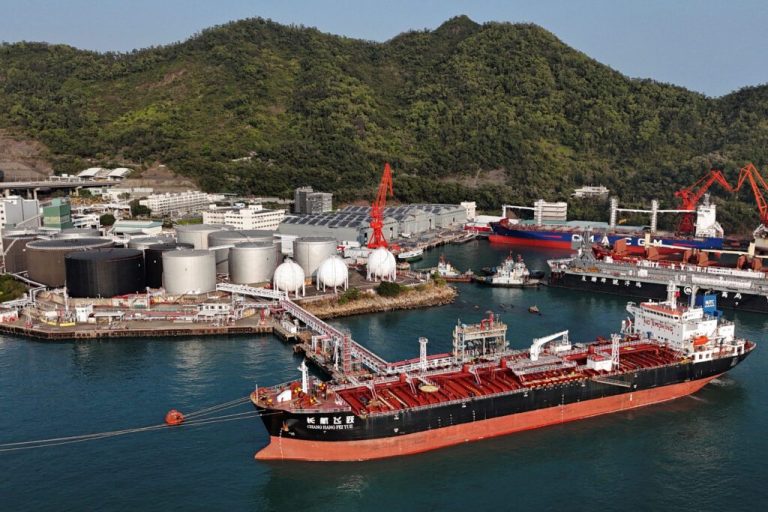
Large oil tankers and cargo ships docked at a major industrial port with storage tanks and green mountains in the background.

Beijing’s Iran Dilemma: Too Big to Ignore, Too Risky to Lead

On March 31, 2026, the diplomatic landscape of the Iran war shifted toward Beijing as Pakistani Deputy Prime Minister Ishaq Dar arrived in China to formally launch a joint five-point initiative for a ceasefire. This move represents China’s first major departure from a month of “muted” detachment, positioning it as a potential guarantor for any future peace deal—a role Tehran has reportedly made a prerequisite for talking to the White House.

Read More »
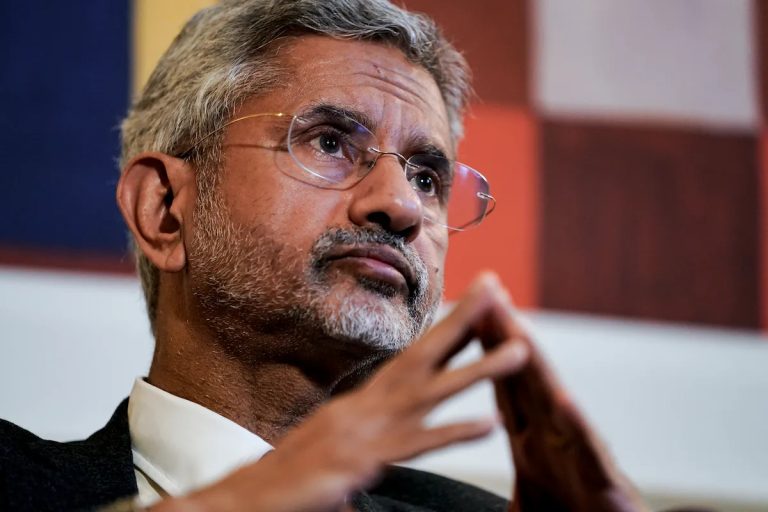
Close-up portrait of Subrahmanyam Jaishankar, India's Minister of External Affairs, looking thoughtful with his hands clasped.

India’s Iran War Silence Exposes the Limits of “Strategic Autonomy”

The sinking of the IRIS Dena and the subsequent “silence” from New Delhi have ignited a fierce domestic and international debate over the reality of India’s “Strategic Autonomy.” While Pakistan has positioned itself as a central diplomatic intermediary between Washington and Tehran, India finds itself grappling with a “strategic embarrassment” that has paralyzed its traditional role as a regional leader.

Read More »