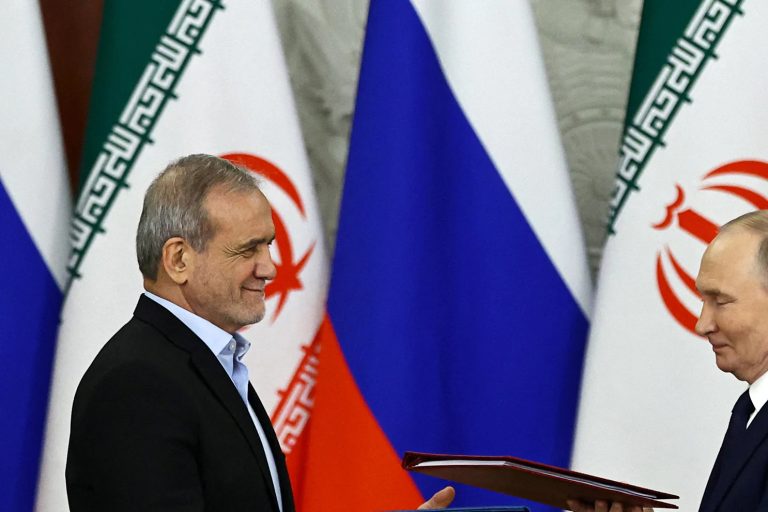
The ongoing war with Iran has exposed a deepening pattern of cooperation among authoritarian states that extends far beyond tactical support. China and Russia have provided Tehran with advanced technology, drones, and financial lifelines, helping sustain its position despite intense pressure. This assistance reflects a broader trend where autocratic governments increasingly coordinate to protect each other and challenge the existing international order.
Beijing has supplied Iran with satellite navigation, radar systems, and electronic warfare equipment, while continuing to purchase its oil through complex shipping networks designed to evade sanctions. Moscow has shared expertise from its experience in Ukraine, enhancing Iranian drone capabilities and offering support in cyber and signals intelligence. These contributions have allowed Iran to maintain pressure on global energy routes even as fighting continues.
Shared Goals Drive Collaboration
Authoritarian powers are formalizing ties at an accelerating pace. Russia and China upgraded their partnership with new investment agreements, while Moscow has signed defense pacts with several African states. The Authoritarian Collaboration Index, tracking interactions since early 2024, has recorded over 72,000 instances of such coordination. These relationships span diplomacy, economics, and military affairs, creating a parallel system that counters Western-led institutions.
A central aim appears to be preserving authoritarian rule wherever it exists. By helping Iran weather sanctions and military strikes, Beijing and Moscow signal that no regime needs to fall simply because it faces external pressure. This support extends to disinformation efforts, with state media amplifying narratives favorable to Tehran and questioning Western motives.
The conflict has also accelerated moves away from dollar dominance. Russia, already working with China to bypass SWIFT, has found new partners through Iranian oil sales. Consumers in Asia, facing energy shortages, have increasingly used the yuan for transactions, normalizing its role in global trade. This shift could gain momentum if disruptions persist, gradually eroding the dollar’s reserve status.
Implications for Democratic Alliances
The war is testing traditional partnerships. Some US allies in Asia, desperate for energy, have quietly increased dealings with Iran and Russia, praising their roles in stabilizing supplies. This pragmatism highlights how economic pressures can strain democratic solidarity. At the same time, the conflict may accelerate a loss of trust in American leadership, reminiscent of past crises where US actions divided allies.
Authoritarian networks are not invincible. They failed to save the Assad regime in Syria and could not prevent political change in Hungary. Yet their growing economic weight — now nearly half of global GDP — and sophisticated influence operations give them tools to shape outcomes in ways that were less feasible in previous decades.
For the United States, the challenge lies in countering this collaboration without overextending resources. Strengthening alliances through economic incentives and reliable security guarantees could help offset the appeal of authoritarian alternatives. Ignoring the trend risks allowing a more cohesive bloc of autocracies to emerge, capable of challenging norms on everything from trade to territorial disputes.
The Iran war may not end soon, but its side effects are already reshaping global alignments. As authoritarian states learn to support each other more effectively, democratic nations must adapt or risk ceding ground in an increasingly competitive international environment. The coming months will show whether this conflict marks a temporary spike in cooperation or the consolidation of a lasting counter-order.
Original analysis inspired by Joshua Kurlantzick from Council on Foreign Relations. Additional research and verification conducted through multiple sources.