Tag: Ahmad al-Sharaa

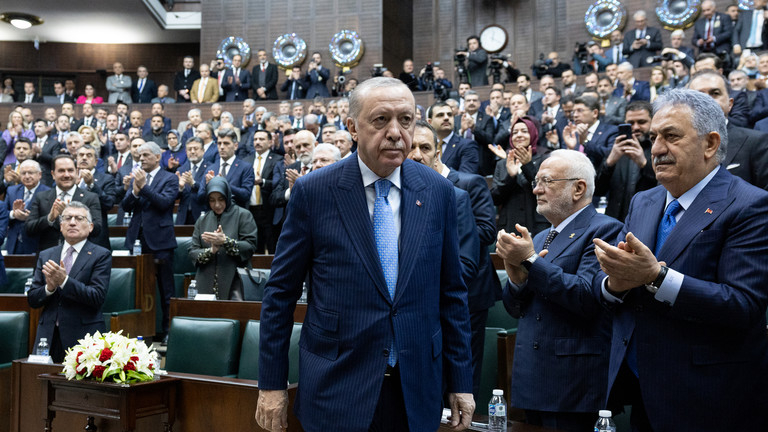
Turkish President Recep Tayyip Erdoğan walking through a crowded assembly hall.

Turkey Is Building the Military Network Iran Could Never Assemble

This analysis examines Turkey’s ambitious regional military strategy as demonstrated at the EFES-2026 exercise. By hosting troops from across North Africa and the Levant—including previously fractured Libyan factions and Syria’s newly reconstituted army—Ankara is moving beyond the proxy-based influence models of the past. We explore how Turkey is leveraging its institutional legitimacy and NATO status to formalize a durable military network, effectively creating a new strategic reality in the Middle East that challenges Israeli security planning and reshapes the regional balance of power.

Read More »
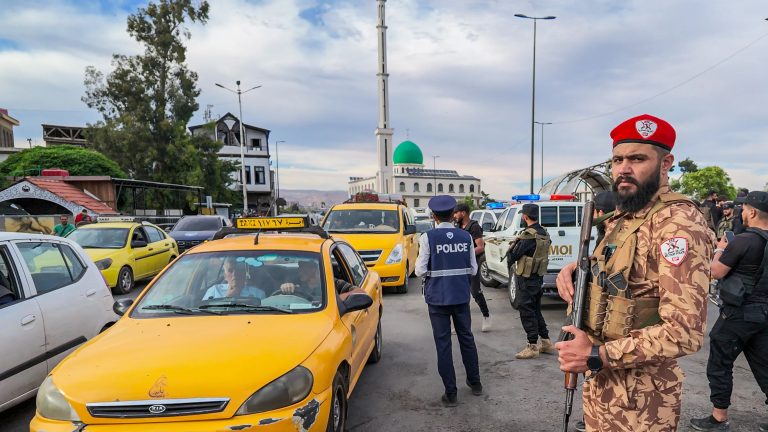
A soldier in military uniform standing guard near a mosque and city traffic.

Syria’s New Army Is Built on Fault Lines, Not Foundations

This analysis examines the structural challenges facing Syria’s post-2024 military integration. Rather than establishing a centralized national institution, the transitional authorities in Damascus have incorporated wartime factions intact, effectively codifying local patronage networks and kinship-based command structures. We explore how this “federation of armed communities” mirrors the failures of past post-conflict settlements in Lebanon and Iraq, raising serious questions about the long-term viability of the new Syrian state and its ability to exert genuine central control.

Read More »
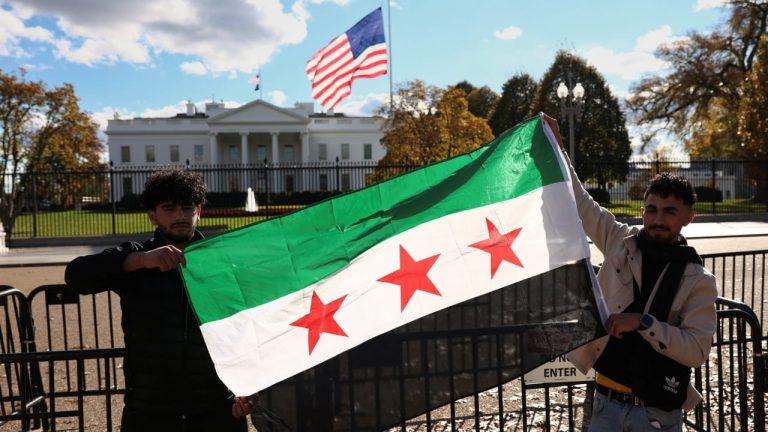
Two individuals holding the Syrian opposition flag in front of the White House.

Why Syria Must Build Lasting US Ties

This article evaluates the precarious state of the nascent US-Syria relationship following recent diplomatic breakthroughs. While shared security objectives have fostered cooperation, reliance on temporary alliances and personal networks leaves the partnership vulnerable to future political shifts. We analyze the strategic necessity for Damascus to institutionalize ties, prioritize economic engagement, and implement governance reforms to ensure long-term stability and international support.

Read More »
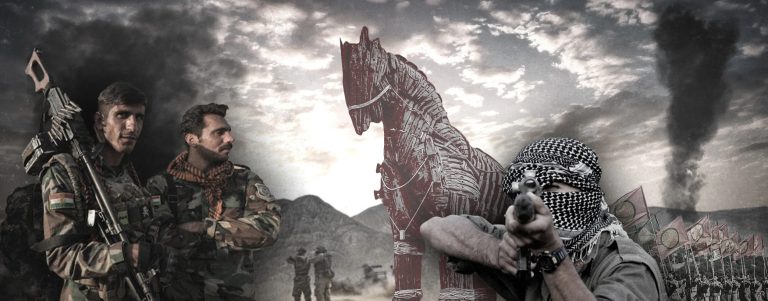
Kurdish YPG and SDF fighters with a wooden Trojan horse metaphor and smoke rising in the background.

Rojava’s End: How Washington Discarded Its Kurdish Allies

Rojava collapsed after Damascus seized most DAANES territory, ending a decade‑long Kurdish experiment dependent on U.S. protection. Washington shifted support to Syria’s new government, transferring thousands of ISIS detainees. As Kurdish forces are absorbed into the state, attention turns to Iran’s Kurdish movements — the next potential pressure point in regional geopolitics.

Read More »