Tag: elections

An overhead view of Israeli police using a water cannon on a crowd of Orthodox Jewish protesters in a city street.

Netanyahu’s “Mr. Security” Brand Is Cracking

As Israel heads toward elections scheduled for late 2026, Prime Minister Benjamin Netanyahu faces the most precarious political environment of his career. This analysis examines the erosion of his “Mr. Security” brand following the prolonged conflicts in Gaza, Lebanon, and Iran. With recent polling showing the opposition gaining a potential majority and critical fissures forming within his coalition—most notably over the ultra-Orthodox military service exemption—the article explores how a combination of voter fatigue, internal social polarization, and strained relations with Washington has created an unprecedented challenge to his long-standing dominance.

Read More »
A group of people in industrial gear and hard hats attending a briefing in Venezuela.

Where Did Venezuela’s Oil Money Go? Washington Won’t Say

This analysis investigates the opaque financial architecture managing Venezuela’s oil exports following the US intervention in early 2026. Despite billions in revenue and renewed trade partnerships, key questions remain regarding fund transparency and the lack of progress toward democratic reforms. The post explores how the current arrangement maintains the previous governing apparatus, highlights the role of international commodity traders, and underscores the growing congressional demand for an audit to ensure accountability in the administration’s handling of Venezuelan resources.

Read More »
A person holding a small American flag in a public gathering.

Americans Are Leaving and It Is Not Just About Trump

This article examines the surge in American emigration, moving beyond political narratives to analyze the structural factors driving citizens abroad. From the remote work revolution and cost-of-living arbitrage to record-level citizenship renunciations, Americans are increasingly concluding that the country’s core challenges—housing, debt, and cultural fragmentation—are no longer solvable through the traditional electoral process.

Read More »
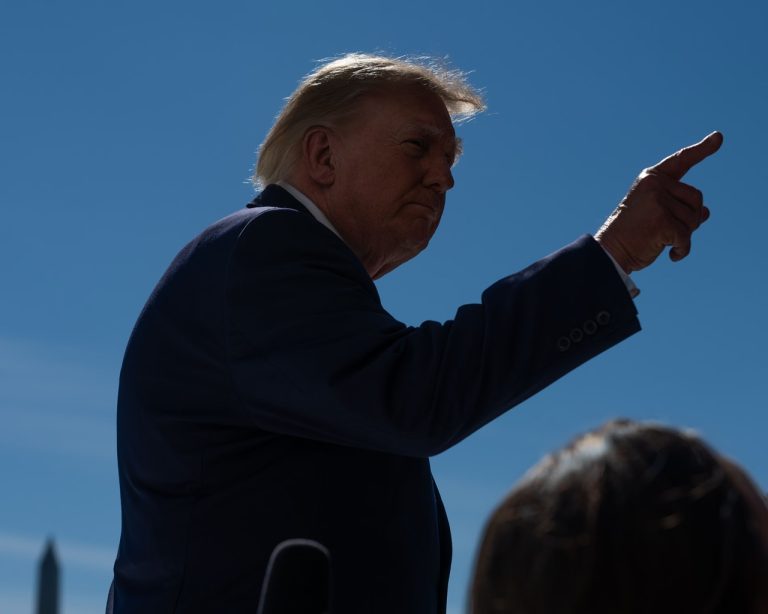
Donald Trump speaking during an official briefing, gesturing with his hands.

Trump’s Iran War Is Fracturing the Republican Party From Within

The recent 215-208 House vote to restrict President Trump’s war powers marks a significant turning point in Republican party cohesion. Driven by rising fuel costs, a stalled ceasefire, and growing electoral vulnerabilities, the conflict has become a political liability. This post explores the administration’s narrowing options amid deepening institutional opposition.

Read More »
Benjamin Netanyahu speaking at a podium with Donald Trump standing in the background.

Trump’s Iran Deal Could Be Netanyahu’s Political Undoing

This analysis explores the intensifying friction between Washington and Jerusalem as the U.S. moves toward a formal memorandum of understanding with Iran. We examine how Donald Trump’s leverage over Israeli policy is forcing Benjamin Netanyahu into a corner, stripping him of his traditional influence over regional security strategy. By detailing the failure of Israel’s military objectives in Lebanon and the domestic political fallout of a U.S.-led diplomatic shift, we assess the mounting threat to Netanyahu’s coalition ahead of the upcoming October elections.

Read More »
Vladimir Putin sitting in a chair in front of the Russian and Kazakhstani flags.

Russia’s Post-Soviet Grip Is Fracturing — but Not Collapsing

The parliamentary elections scheduled for June 7, 2026, represent a critical turning point for Armenia’s political and strategic landscape. As the country navigates complex security challenges and fragile peace negotiations with Azerbaijan, these elections serve as a de facto referendum on Prime Minister Nikol Pashinyan’s agenda and Armenia’s future orientation. This report examines the intense domestic polarization, the ongoing tensions in relations with Moscow, and the broader implications of this vote for Armenia’s path toward European integration and regional stability in the South Caucasus.

Read More »
European political leaders walking and conversing during a diplomatic meeting regarding maritime navigation.

Western Leaders Are Losing the Public

This report analyzes the deepening crisis of legitimacy facing leaders across the G7 nations in May 2026. By examining the collapse in approval ratings for figures such as Keir Starmer, Emmanuel Macron, Friedrich Merz, and Donald Trump, the article explores the common threads of public dissatisfaction—specifically the erosion of the social contract driven by persistent inflation, stagnant growth, and unaffordable living costs. With local election results in Britain signaling a major fragmentation of the traditional two-party system and similar trends emerging elsewhere, the piece evaluates whether these record-low ratings represent a temporary protest or a fundamental unraveling of the post-war political consensus.

Read More »
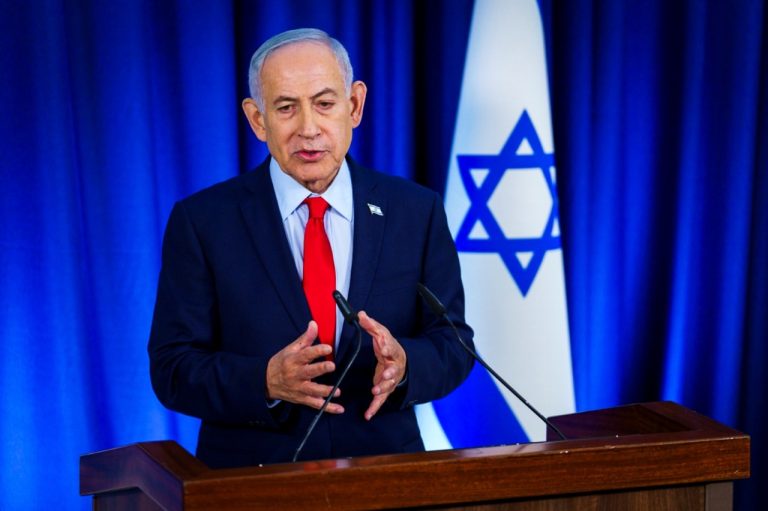
Israeli Prime Minister Benjamin Netanyahu speaking at a podium with an Israeli flag in the background.

The Three Crises Netanyahu Leaves Behind

This analysis explores the three fundamental crises defining the end of Benjamin Netanyahu’s premiership as Israel heads toward potential early elections. Following the preliminary Knesset vote to dissolve itself on May 20, 2026, the report examines the long-term impact of Israel’s deepening international criminal exposure, the evolution of settler outposts into a quasi-paramilitary security apparatus in the West Bank, and the profound legal and ethical implications of the newly established military tribunal for October 7 suspects. By framing these issues as “fixed terrain,” the article argues that these structural legacies will constrain and challenge any successor government, regardless of the election outcome.

Read More »
Naftali Bennett and Yair Lapid standing together at a podium with Israeli flags.

Israel’s Election Will Exclude Millions It Governs

This analysis examines the democratic paradox inherent in Israel’s upcoming elections, where political representation remains systematically inaccessible to millions of Palestinians living under military rule. Drawing on recent findings from the ICJ and UN human rights bodies, we explore how current annexationist policies and the exclusionary nature of the electoral process further entrench a dual-regime system, challenging the foundations of political legitimacy in the region.

Read More »
A crowd of demonstrators holding up protest signs reading March and March against illegal immigration and crime.

South Africa’s Xenophobia Crisis Exposes the Failure of Identity Politics

This analysis examines the surge of anti-immigrant violence in South Africa amidst a staggering 32.7% unemployment rate in 2026. Highlighting the failure of identity politics and elite discourses, the article argues that until structural economic decay and governance failures are directly addressed, philosophical rhetoric cannot prevent recurring domestic and diplomatic crises.

Read More »
Close-up portrait of Keir Starmer looking downward with a serious expression.

Left Unity Emerges as Antidote to Farage Threat

The UK’s recent local elections have delivered a major blow to Keir Starmer’s leadership, with voters defecting to the Greens and Nigel Farage’s Reform UK. Driven by discontent over domestic austerity and the government’s stance on Gaza, this electoral fragmentation suggests that only a unified progressive coalition can counter the rising populist right.

Read More »
A composite image featuring Ukrainian President Volodymyr Zelenskyy on the left and military intelligence chief Kyrylo Budanov on the right, with the Mother Ukraine monument in Kyiv and the Ukrainian flag in the background.

Budanov’s Rise and the Kremlin’s Coup Narrative: What’s Real in Kyiv

The appointment of Kyrylo Budanov to head Ukraine’s Presidential Office has sparked Russian claims of an impending coup. However, the move is more likely a calculated effort by President Zelensky to neutralize a popular political rival and bolster his administration’s wartime credibility following high-level corruption scandals and domestic pressure.

Read More »