Tag: Climate Change

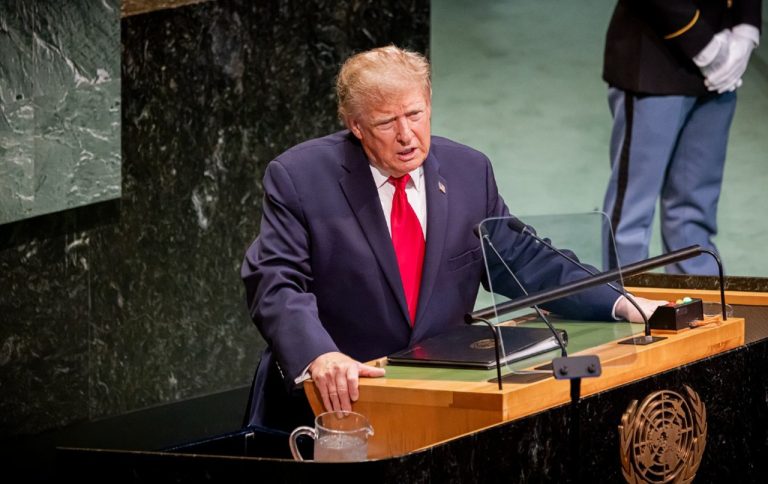
Donald Trump speaking at the United Nations General Assembly rostrum.

Trump and Sanders Offer Two Maps of US Power

Competing speeches in New York by Donald Trump and Bernie Sanders revealed two irreconcilable paths for American power. While Trump champions unmatched military coercion and national dominance, Sanders argues true security demands confronting global oligarchy, runaway militarism, and shared existential threats through international cooperation.

Read More »
Display rack filled with semi-automatic rifles hanging beneath a large American flag

Guns and Immigration Fill a Quieter Court Term

The Supreme Court opens its term with a docket half its usual size, yet critical battles loom. From AR-15 bans and climate lawsuits to aggressive immigration policies, the justices will hear pivotal cases that could redefine state authority and executive power.

Read More »
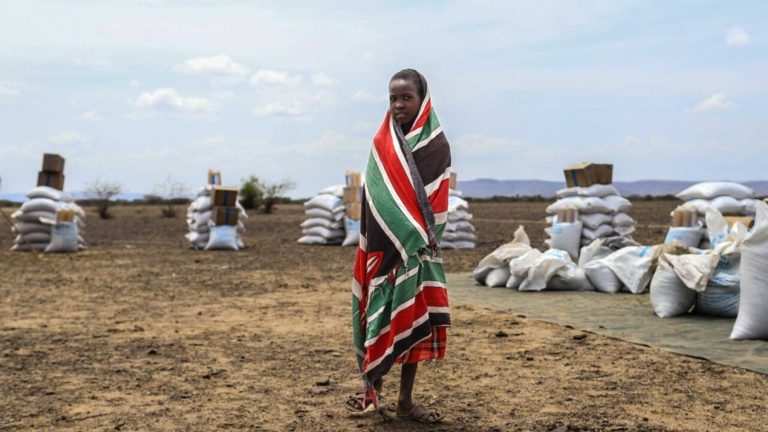
A child wrapped in a patterned blanket standing near aid supplies in an arid landscape.

Global Food Security Faces Unprecedented Crises

A severe convergence of military conflict and extreme climate events is placing unprecedented pressure on global food systems. Blockaded shipping lanes and widespread droughts threaten crop yields and fuel rising commodity prices worldwide. Without urgent diplomatic intervention and protected trade corridors, global hunger crises will rapidly escalate.

Read More »
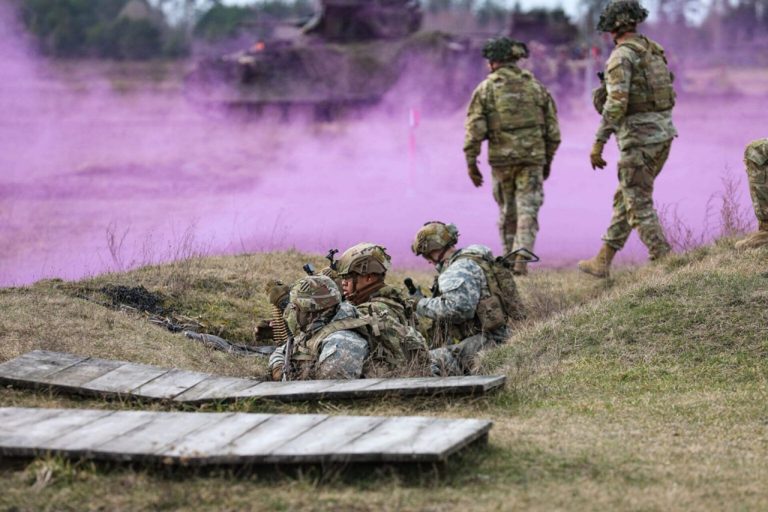
Soldiers in military camouflage gear taking positions in a field during a smoke exercise

The Paradox of Militarized Climate Strategies

Global defense ministries increasingly frame climate change as a primary national security threat, rapidly expanding military budgets to prepare for environmental collapse. However, this strategy overlooks a fundamental paradox: armed forces generate roughly five percent of global greenhouse emissions. Expanding military capabilities to manage ecological instability ultimately fuels the exact crisis it seeks to survive.

Read More »
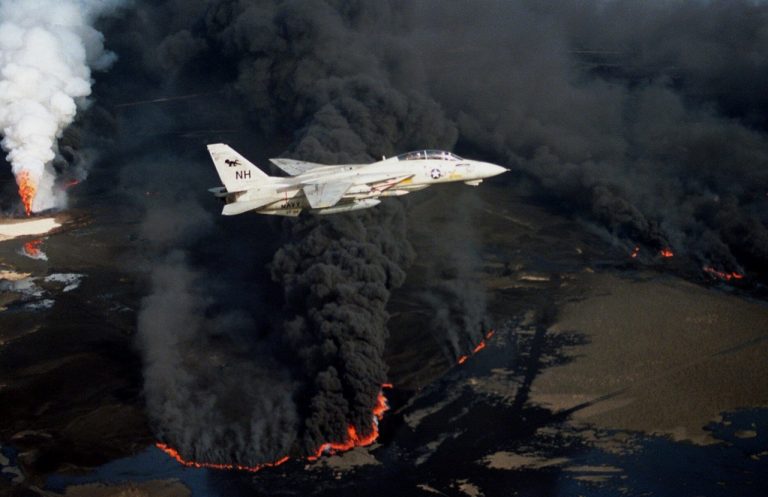
A U.S. Navy fighter jet flying low over burning oil fields with thick black smoke.

The Climate Blind Spot in Global Defense Strategy

Global security architectures continue to hide a massive environmental cost. By systematically excluding military emissions and complex defense supply chains from climate agreements, nations risk widespread ecological instability. Read our deep dive into why true strategic defense demands complete environmental accountability.

Read More »
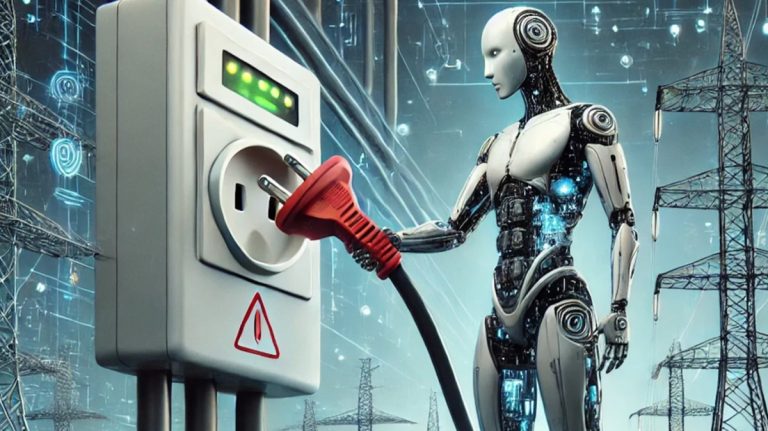
An artistic representation of a humanoid robot plugging a power cord into an electrical outlet near power lines.

AI’s Power Hunger Is Outpacing the Grid’s Ability to Cope

As AI infrastructure demand skyrockets, it threatens to overwhelm an aging power grid, risking a repeat of historical municipal bond defaults. With forecasts highly uncertain, policymakers are now scrambling to shift the financial risk of this energy expansion away from ordinary ratepayers and back onto the developers themselves.

Read More »
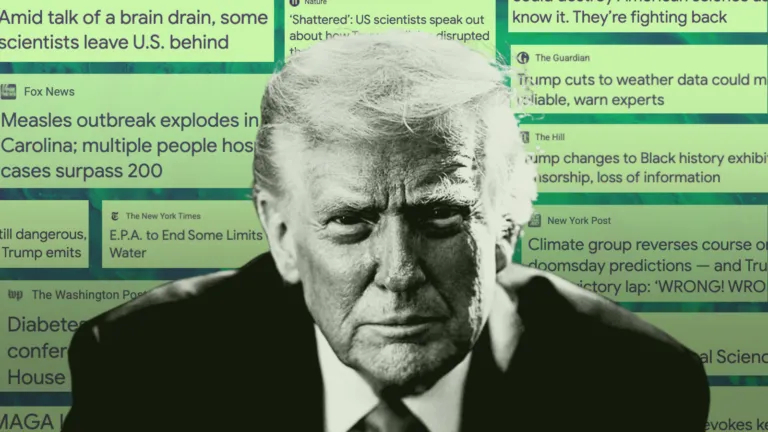
A portrait of Donald Trump overlaid with a collage of various digital news headlines regarding U.S. government policy and data management.

Trump Is Deleting the Data America Needs to Survive

This post investigates the ongoing trend of federal dataset removal under the current administration, exploring the potential long-term consequences for scientific research, economic planning, and public health. By analyzing the patterns of data suppression and the dismantling of institutional monitoring infrastructure, we discuss how the erosion of baseline data challenges the capacity for effective, evidence-based governance in the United States.

Read More »
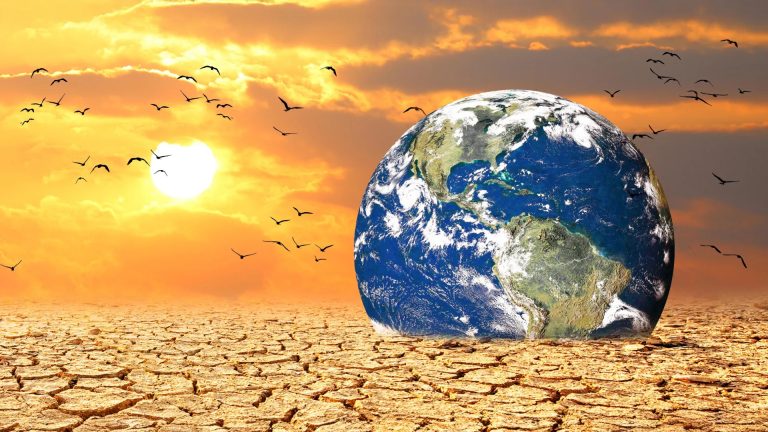
Earth globe sitting on cracked, dry desert ground at sunset.

Updating a Climate Scenario Doesn’t Mean the Crisis Is Over

This analysis clarifies the recent retirement of the RCP8.5 climate scenario, correcting the misleading narrative that scientific updates signal an end to the climate crisis. By examining new CMIP7 data, the article demonstrates that while policy successes have moved us away from worst-case emissions pathways, the world still faces significant warming and irreversible environmental tipping points, underscoring the urgent need for continued climate action.

Read More »
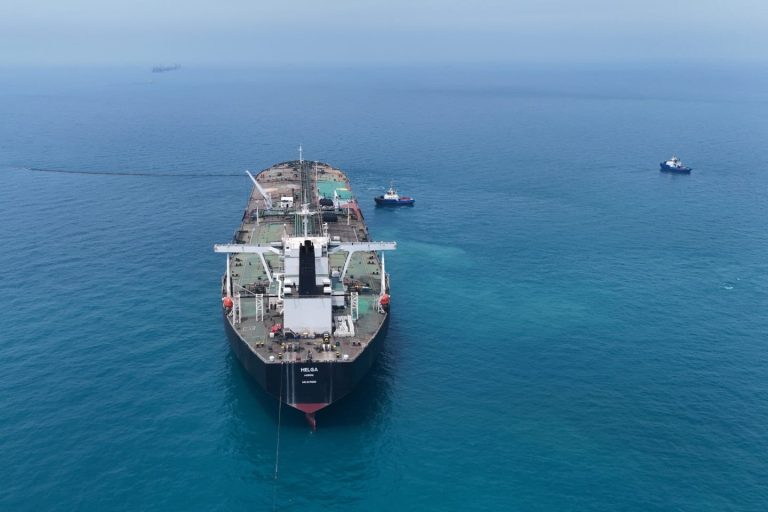
: Large oil tanker Helga being escorted by tugboats in open blue water.

Hormuz Crisis Exposes Energy Innovation Gaps

The unprecedented disruption in the Strait of Hormuz has exposed the vulnerability of global energy systems. Despite record-breaking reserve releases, the crisis underscores a critical need for sustained energy innovation. New data reveals a widening gap in research and deployment, with Nordic leadership contrasting a relative decline in U.S. innovation.

Read More »
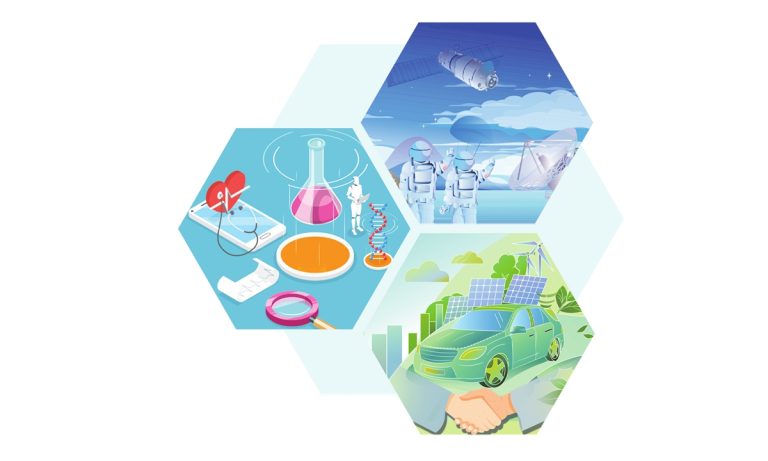
An isometric illustration showcasing three hexagonal frames representing medical research, space exploration, and green energy technology.

China–Europe Science Ties: Genuine Partnership or Geopolitical Gamble?

The gap between bilateral ambition and multilateral restriction has reached a breaking point in Europe’s science policy. While Spanish PM Pedro Sánchez champions open research with Beijing as a driver of innovation, the European Commission is moving to exclude Chinese entities from strategic fields like semiconductors and AI. As China’s R&D spending nears $723 billion, this report explores whether Europe can afford to de-risk without losing its edge in the global race for frontier technology.

Read More »
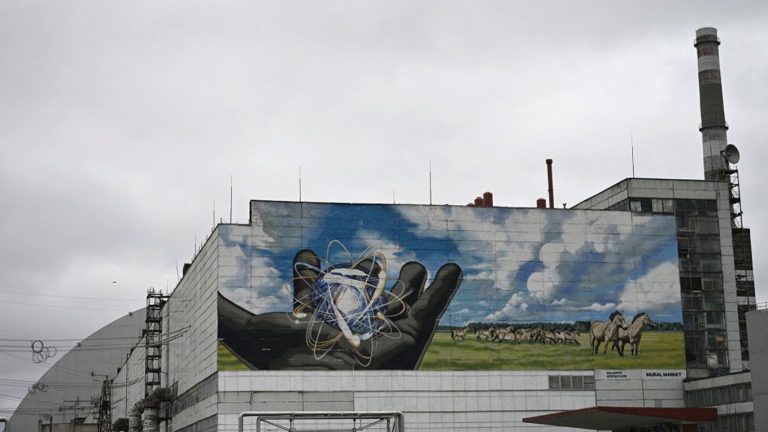
A large mural on the side of a Chernobyl Power Plant building depicting a hand holding an atom, with wild horses running in a green field.

Chernobyl at 40: The Unthinkable Has Become Routine

Forty years after the world’s worst nuclear disaster, the anniversary of Chernobyl is being marked by active bombardment and a deepening global safety crisis. With the New Safe Confinement damaged by drone strikes and Iran’s Bushehr facility reportedly hit multiple times, the routine targeting of nuclear infrastructure has exposed a fatal gap in international governance. This report examines the “double standards” of nuclear protection and the paralysis of the IAEA in an age where radioactive sites have become geopolitical pawns.

Read More »
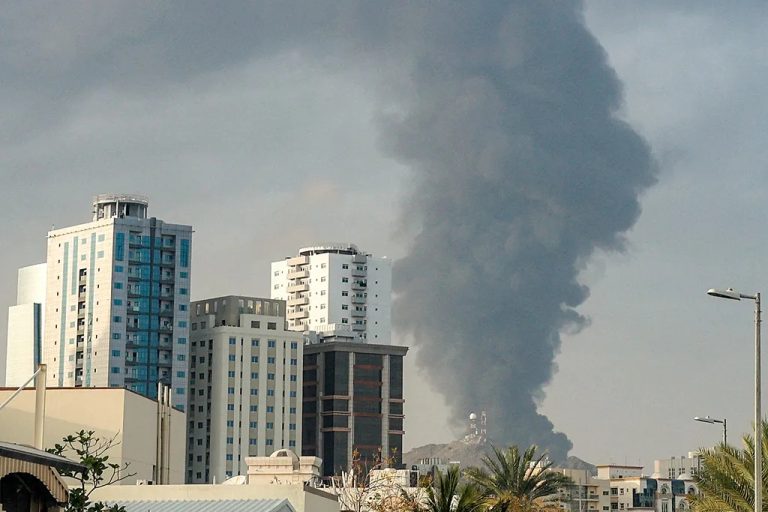
Large plumes of dark gray smoke rising behind urban apartment buildings under an overcast sky.

Who Wins and Loses From the Iran Energy Shock

The Iran energy shock of 2026 has fundamentally rewritten the rules of global petropolitics. As Brent crude prices surged, the traditional “oil winner” manual was discarded; for the first time, major producers in the Gulf found themselves economically paralyzed by their own geographic leverage.

Read More »