Tag: European Union

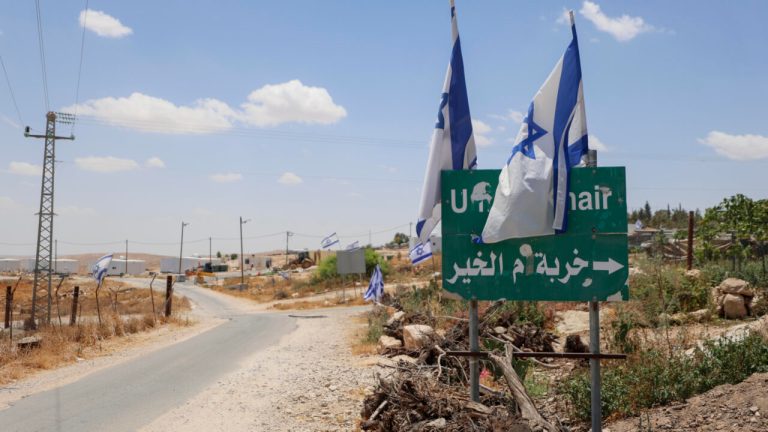
A road sign pointing toward a settlement with Israeli flags flying in the background.

EU Pressured to Ban Trade With Israeli Settlements

European foreign ministers are debating a total ban on goods from Israeli settlements after existing “differentiation” policies failed to curb trade. With the ICJ demanding compliance, the EU now faces a critical decision: implement a bloc-wide prohibition or continue violating its legal obligations and international humanitarian standards.

Read More »
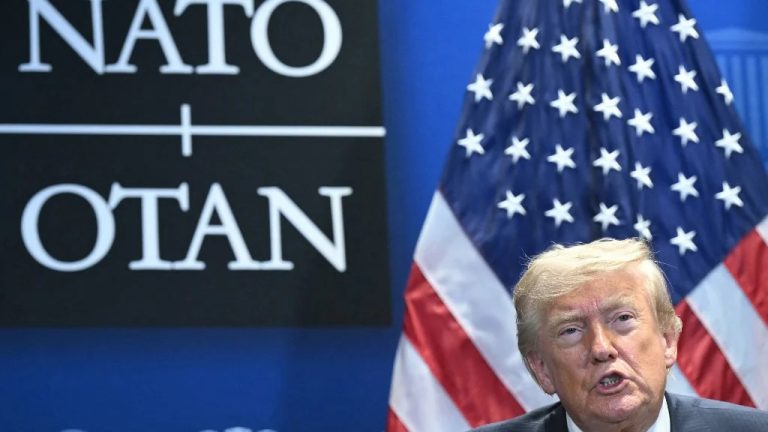
Donald Trump speaking in front of a NATO and US flag.

NATO’s Profitable Crisis: An Alliance Adrift

The recent Ankara summit reveals a NATO increasingly adrift, caught between U.S. foreign policy mandates and a desperate European quest for autonomy. As defense spending reaches historic highs to combat “manufactured threats,” the alliance faces a critical choice: continue fueling a profitable cycle of insecurity or forge a new diplomatic path.

Read More »
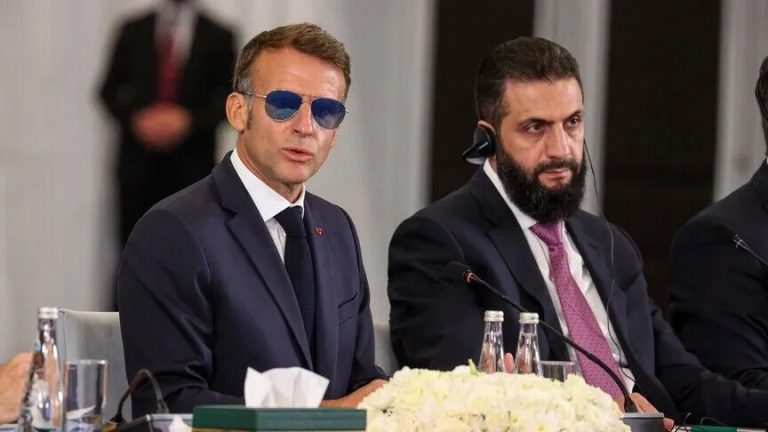
French President Emmanuel Macron wearing sunglasses sitting alongside a Syrian official during a formal meeting.

Macron’s Damascus Pivot: France Bets on a New Syria

In a bold diplomatic shift, President Emmanuel Macron has become the first Western leader to visit Damascus since the fall of the Assad regime. This landmark trip signals France’s commitment to pragmatic engagement, focusing on massive reconstruction efforts and new economic partnerships to stabilize a transitioning Syria.

Read More »
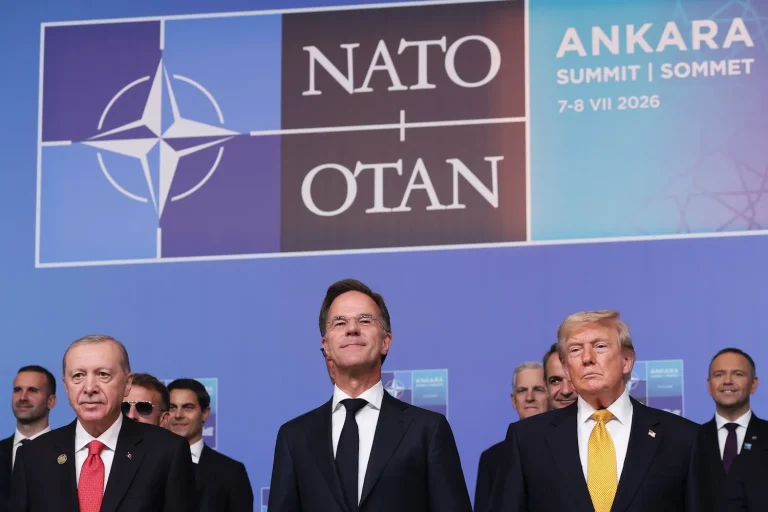
World leaders including Recep Tayyip Erdoğan, Mark Rutte, and Donald Trump standing together at the NATO summit in Ankara.

Turkey’s Moment: Ankara Becomes the Indispensable Ally

Turkey’s role on the world stage has fundamentally shifted. From navigating the conflict in Ukraine to mediating regional crises, Ankara has transformed from a transactional partner into a central security pillar. Despite ongoing tensions, Western powers are increasingly recognizing that Turkey’s strategic importance is now a defining fact of the new global order.

Read More »
Four officials standing in a row in front of a banner during a diplomatic meeting between the Sahel and Russia.

Russia Deepens Its Strategic Footprint in Africa

As Western influence fades, Moscow is aggressively filling the security vacuum in the Sahel. Through the formalized “Africa Corps,” Russia is cementing a new strategic axis with military juntas, prioritizing regime security over traditional democratic partnerships in a high-stakes geopolitical shift across the African continent.

Read More »
Mark Rutte appearing concerned while speaking at a podium with NATO branding in the background.

NATO Plays the Long Game as Trump Looms

The recent Ankara summit marked a turning point for NATO. While navigating internal political volatility, the alliance is quietly accelerating its strategic autonomy. By surging defense investment and prioritizing long-term resilience, European leaders are preparing for a future where they can ensure their own security, independent of Washington’s fluctuating commitments.

Read More »
Armenian Prime Minister Nikol Pashinyan waving to the crowd while wearing an orange lapel pin.

Armenia Bets on Turkey — and the Stakes Have Never Been Higher

This analysis explores the strategic realignment currently underway between Armenia and Turkey. After decades of frozen borders and historical enmity, recent diplomatic efforts suggest a potential breakthrough aimed at economic integration and regional connectivity. However, the article highlights the divergent motivations behind this process: Yerevan seeks a pivot toward the European Union as it distances itself from Russia, while Ankara views normalization as a tool to consolidate its position as an indispensable regional hub. We assess the persistent risks—including Azerbaijan’s unresolved territorial demands, the limitations of Western security guarantees, and the shadow of Russian influence—that continue to complicate Armenia’s efforts to establish a durable path toward stability. Ultimately, this piece questions whether normalization offers a genuine escape from regional dependency or merely replaces one set of structural vulnerabilities with another.

Read More »
Prime Minister Nikol Pashinyan of Armenia joining hands with EU officials.

Armenia’s Westward Turn Survives Moscow’s Pressure, But the Hard Part Starts Now

Armenia’s recent parliamentary election signals a decisive pivot toward the West, overcoming significant Russian economic and political interference. However, the path to a durable peace with Azerbaijan remains constrained by constitutional bottlenecks. Washington now faces a critical opportunity to provide diplomatic support, ensuring this democratic transition successfully consolidates.

Read More »
Vladimir Putin sitting in a chair in front of the Russian and Kazakhstani flags.

Russia’s Post-Soviet Grip Is Fracturing — but Not Collapsing

The parliamentary elections scheduled for June 7, 2026, represent a critical turning point for Armenia’s political and strategic landscape. As the country navigates complex security challenges and fragile peace negotiations with Azerbaijan, these elections serve as a de facto referendum on Prime Minister Nikol Pashinyan’s agenda and Armenia’s future orientation. This report examines the intense domestic polarization, the ongoing tensions in relations with Moscow, and the broader implications of this vote for Armenia’s path toward European integration and regional stability in the South Caucasus.

Read More »
European Union flags flying outside the European Commission building in Brussels.

EU’s Chinese Tech Purge Is Costly, Contradictory, and Politically Driven

This analysis evaluates the European Commission’s 2026 Cybersecurity Act revisions, which aim to exclude high-risk third-country suppliers from critical networks. We explore the tension between Brussels’ pursuit of digital sovereignty and the economic realities of replacing deeply embedded Chinese technology. By questioning the shift toward origin-based blacklisting rather than universal security auditing, we assess the potential for retaliatory trade measures and long-term instability in EU-China relations.

Read More »
Miniature figures standing on puzzle pieces representing the flags of China and the European Union.

Europe’s China Trade War Temptation Is a Trap of Its Own Making

This analysis explores the intensifying debate within the European Union regarding its trade policy toward China. With a 2025 trade deficit of €359.8 billion serving as a focal point, the article examines the push by a five-nation coalition—led by France and others—for more aggressive protectionist measures. By contrasting these calls for tariffs with warnings from experts like Rolf Langhammer about structural competitiveness, the report assesses whether Brussels is prioritizing genuine industrial strategy or simply reacting to competitive panic. The piece further contextualizes the EU’s internal challenges, such as high energy costs and fragmented regulation, arguing that trade barriers may fail to address the root causes of Europe’s weakening industrial position.

Read More »