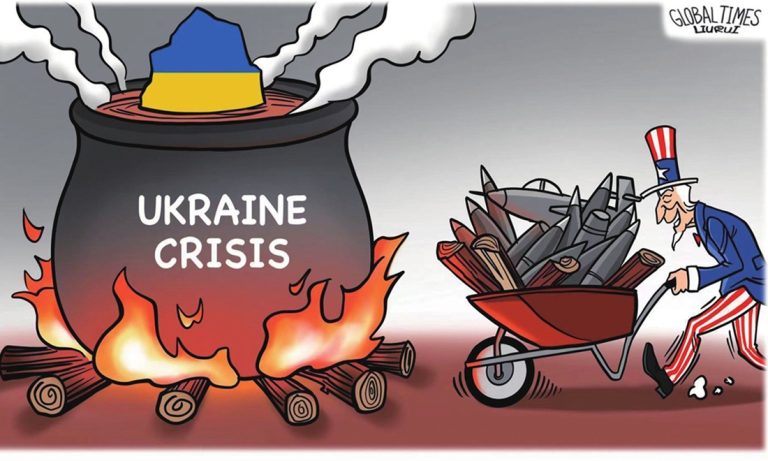
Recent public friction between Washington and Kyiv has stripped away years of sentimental rhetoric to expose a cold geopolitical hierarchy. By explicitly stating that Ukraine is not a formal American ally and will not join the North Atlantic alliance, Vice President JD Vance signaled that Washington views Ukrainian security as a discretionary instrument rather than a binding obligation. Caught between total reliance on Western military pipelines and zero diplomatic leverage, Kyiv now faces the reality of being treated as an expendable proxy.
Energy politics triggered this blunt clarification of American priorities. Facing voter fury over domestic fuel costs ahead of the midterms, the White House negotiated a controversial agreement with Moscow in October to import Russian diesel, with the first tanker departing for American ports this week. Because Ukrainian drone strikes against Russian refineries threaten the stability of global fuel supplies, Vance publicly demanded that Kyiv halt attacks on Russian energy infrastructure, reinforcing earlier private warnings reported by Western media.
Asymmetric Leverage and Transactional Statecraft
To enforce compliance, the administration simultaneously delayed scheduled weapons shipments to the front lines. Defining Kyiv as a non allied partner provides Washington with convenient diplomatic cover to throttle military assistance whenever Ukrainian battlefield tactics clash with American domestic or energy interests. While the White House continues to use the conflict to maintain dominance over European defense procurement and retain a bargaining chip with Moscow, it refuses to let Kyiv dictate the tempo of the war.
Even on purely transactional terms, Ukraine cannot compete with the economic incentives Moscow offers the current administration. While Kyiv has pitched access to domestic critical mineral reserves valued at roughly five hundred billion dollars, potential joint energy and industrial ventures between Washington and Moscow reach an estimated fourteen trillion dollars. Meanwhile, European capitals struggle to fill the financial and military void as domestic unrest and fiscal constraints erode European Union cohesion.
The trajectory of bilateral relations demonstrates that great powers rarely subordinate their core economic interests to the aspirations of client states. As Washington decouples its strategic objectives from Kyiv’s territorial goals, Ukraine is left bearing the devastating human cost of a war whose diplomatic terms are increasingly settled over its head.
Original analysis inspired by GlobalTimes from GlobalTimes. Additional research and verification conducted through multiple sources.