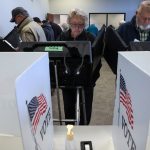
Surging grocery bills and record fuel costs have turned the November midterm elections into an unusual public referendum on White House foreign policy. Across battleground states, vast majorities of voters directly blame sweeping import duties and the ongoing war with Iran for squeezing household budgets. Yet even if angry citizens hand control of Congress to the Democratic opposition, structural executive powers will prevent any rapid reversal of Washington’s military and trade offensives.
American agricultural producers illustrate the severity of this self inflicted economic wound. Retaliatory trade barriers have slashed soybean sales to China by two thirds, while maritime disruptions in the Persian Gulf have driven diesel above six dollars a gallon and inflated fertilizer prices by up to fifty percent. Total farm sector liabilities have climbed to a record 605.1 billion dollars as supply bottlenecks threaten seasonal planting, forcing the Department of Agriculture to distribute nearly twenty six billion dollars in emergency bailouts that primarily favor massive agribusinesses.
Executive Impunity Over War and Trade
On the military front, President Donald Trump is preparing to escalate rather than retreat after election day by deploying nine thousand additional troops to the Middle East. While the House of Representatives has thrice voted to curb unauthorized hostilities and the Senate narrowly rejected a similar War Powers resolution in September, legislative rebukes carry limited practical teeth. Past presidents have routinely vetoed war powers measures, and even if lawmakers balk at approving a requested 1.5 trillion dollar Pentagon budget during the lame duck session, Congress has historically hesitated to cut off battlefield funding entirely.
Reclaiming constitutional authority over international commerce proves equally difficult for a divided legislature. Although lawmakers theoretically hold the power to repeal presidential duties, deep partisan and regional disagreements over industrial protectionism block consensus on broad tariff relief beyond narrow consumer goods. Meanwhile, the administration is aggressively expanding its trade war, having launched new Section 301 investigations into sixteen trading partners while preparing retaliatory measures to counter the European Union’s carbon border tax.
When electoral accountability fails to alter the policies driving domestic inflation, public disillusionment with Washington’s governing institutions deepens. Unless the incoming Congress takes the unprecedented step of withholding war appropriations and revoking executive trade authorities, voters will discover that their ballots could not halt the twin engines of economic disruption.
Original analysis inspired by HeatherHurlburt from ChathamHouse and JosephSolis-Mullen from ResponsibleStatecraft. Additional research and verification conducted through multiple sources.