
André Carrilho é finalista do European Cartoon Award com “Gaza, para a História do Horror”

Analysis: Recently named a finalist for the European Cartoon Award on October 22 and Grand Prize winner at the 2026 World Press Cartoon exhibition, André Carrilho’s illustration depicts a young Palestinian child in a blood-stained white shirt with an amputated arm and leg, leaning on a crutch atop a museum pedestal alongside Classical statues with broken limbs, while silhouetted visitors casually photograph the child. The cartoon delivers a scathing indictment of a “supposedly civilized” Western international order that treats ongoing civilian devastation in Gaza as a passive, aestheticized spectacle rather than intervening to halt the violence. Strategically, the work highlights the deepening moral and diplomatic rift between Western capitals and international public opinion over unconditional backing for Israeli military operations.
October 7 Is on the Ballot: Israel’s Verdict on Netanyahu

Analysis: In a detailed briefing with former US national security officials Jake Sullivan and Jon Finer, Barak Ravid reveals that Prime Minister Benjamin Netanyahu sought US approval to launch a major pre-election military offensive against Iran in mid-October 2026—a move opposed by IDF Chief of Staff Gen. Eyal Zamir because Iranian missile retaliation would force an indefinite postponement of Israel’s Knesset elections. The analysis also highlights severe internal fractures within Israeli society, specifically an acute IDF deficit of 10,000 to 15,000 troops exacerbated by Netanyahu’s efforts to exempt 100,000 ultra-Orthodox men while reservists face 300-to-500-day deployments. Finally, with polling pointing toward parliamentary deadlock and the systematic political exclusion of Arab-Israeli parties, Israel’s domestic paralysis is poised to destabilize wider Middle Eastern diplomacy.
The Iran War and the Midterms

Analysis: Hosted by James M. Lindsay with former NSC Iran directors Cole Bucy and Nate Swanson, this episode exposes the structural limits of US military and economic coercion following Operation Epic Fury. While Washington’s naval blockade and Iran’s counter-closure of the Strait of Hormuz have spiked global diesel and insurance costs and strained US military readiness across PACOM and EUCOM, Beijing continues to purchase Iranian oil and maintain commercial air links via Chinese banks. This dynamic underscores the erosion of unilateral US sanctions enforcement and highlights how multipolar economic alignments allow regional adversaries to withstand American “maximum pressure” campaigns.
How Central Asia Shapes China’s Regional Infrastructure Strategy

Beyond grand multilateral summits, the China-Kyrgyzstan-Uzbekistan railway reveals how Central Asian states shape Eurasian transit. By tailoring bilateral financing, technology transfers, and border controls, regional capitals protect sovereign interests while navigating massive infrastructure deals with Beijing.
Southeast Asia’s Scam Hubs Pose a Borderless Security Threat

Transnational criminal networks in Southeast Asia have built heavily fortified enclaves running industrial-scale cyber fraud and human trafficking. Deeply embedded across Mekong border zones, these scam hubs pose a borderless security crisis that demands urgent multilateral financial and legal action.
Mounting Debt Forces Sisi to Plan Egypt’s Military Succession
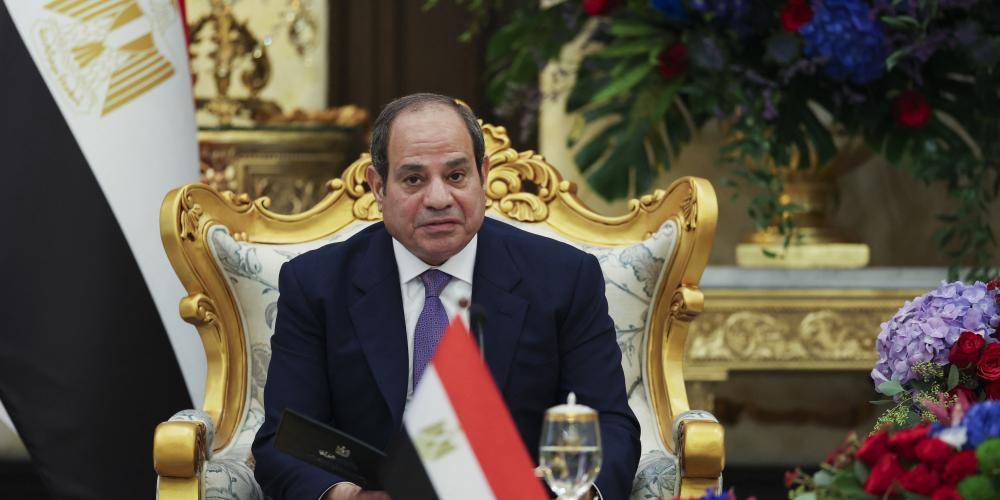
Crushed by mounting foreign debt and severe inflation, Egyptian President Abdel Fattah el-Sisi announced he will step down in 2030. Yet rather than returning power to civilians, Cairo is rolling out a rigid vetting system to cement permanent military control.
Washington’s Russian Diesel Deal Leaves Ukraine Trapped and Alone
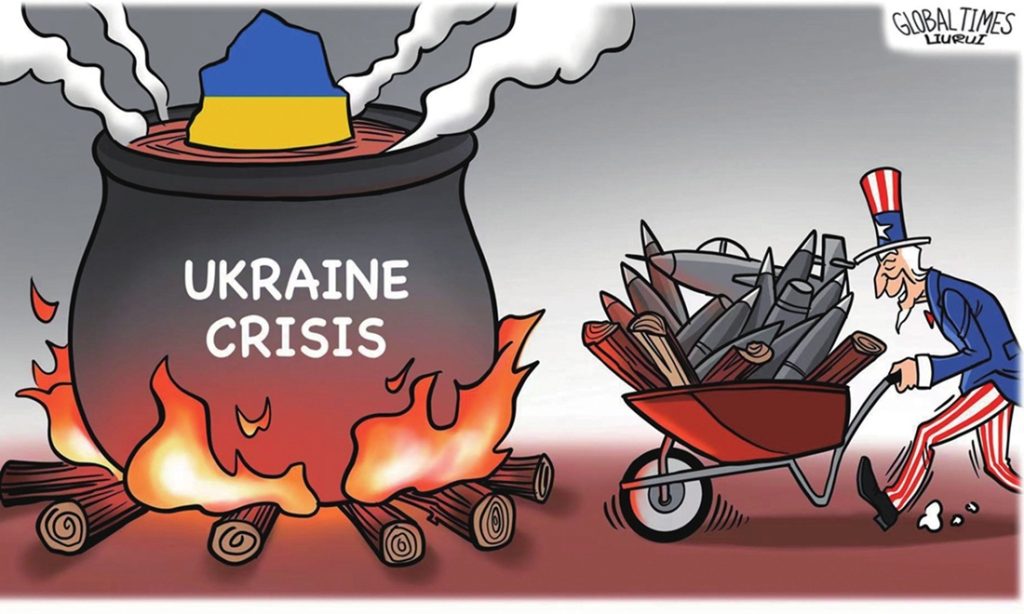
A controversial U.S. deal to import Russian diesel reveals Washington’s willingness to prioritize domestic fuel prices over Ukraine’s defense. As the White House restricts weapons aid to halt strikes on Russian energy, Kyiv faces the harsh reality of being sidelined.
Why the US Midterms Will Not End Trump’s Tariff and Iran Wars

Surging prices have turned the midterms into a referendum on White House foreign policy. Yet even if voters elect an opposition Congress, entrenched executive authorities will prevent lawmakers from halting sweeping tariffs and military escalation in Iran.
Israeli Spyware Weaponizes Digital Ads to Target Global Security

Israeli spyware vendors are weaponizing digital ads to silently infect devices without a single click. By exploiting real-time ad bidding networks to target journalists and global institutions, this unregulated surveillance threatens international security.
Palestinian Prisoners Face Systemic Abuse Amid Global Silence
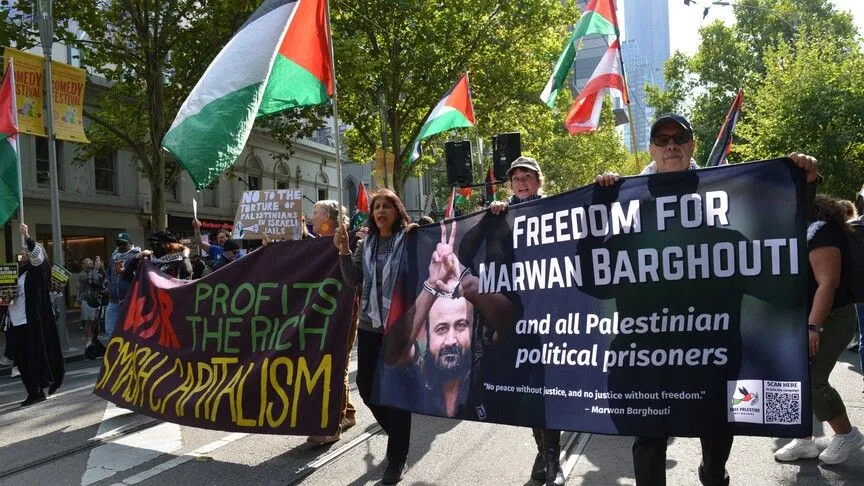
Over one hundred Palestinian detainees have died in Israeli detention facilities amid reports of widespread torture, starvation, and severe medical neglect. With global enforcement largely absent, rights advocates warn that selective justice undermines international law and demands urgent independent inspection.
Why Moscow Champions Inclusive Security Between Iran and the Gulf
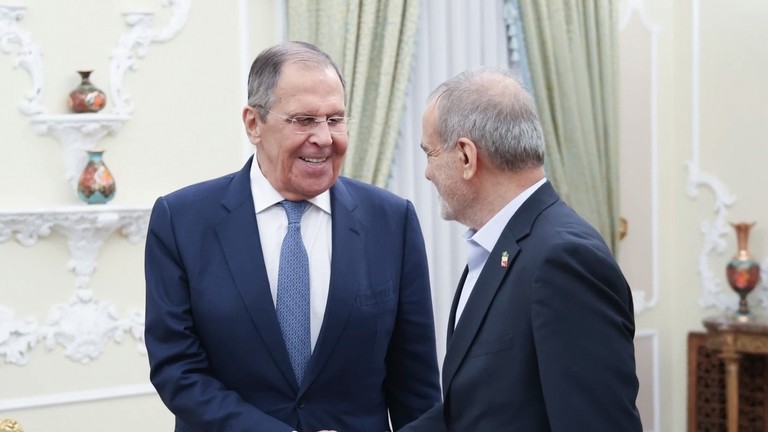
Rejecting claims that it benefits from perpetual Middle Eastern conflict, Moscow is actively promoting an inclusive collective security framework between Iran and Gulf states. Sustained regional warfare threatens critical infrastructure and long-term economic investments, requiring an autonomous architecture built on mutual communication rather than foreign military intervention.
How Washington Sabotaged the June Iran Accord Over Hormuz
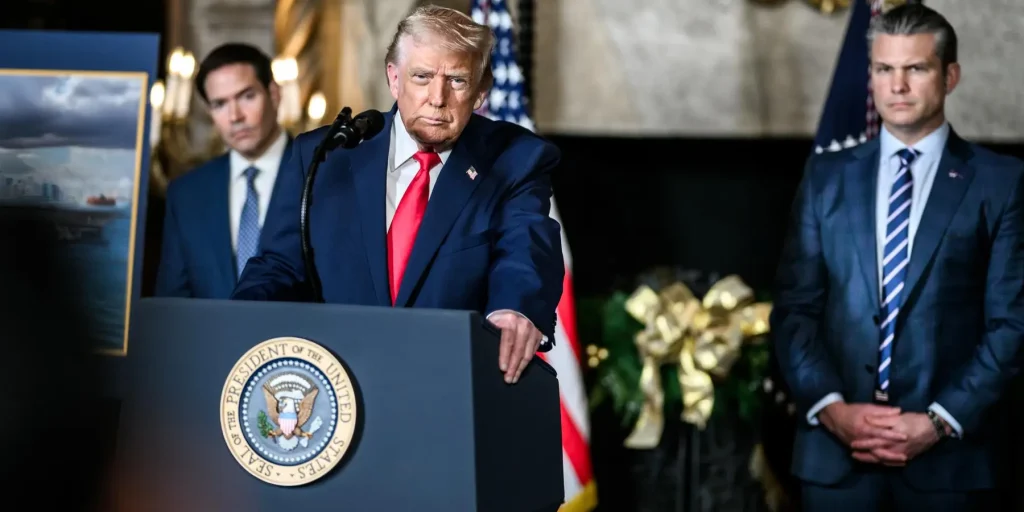
Washington’s June 17 pact with Tehran was designed as a tactical pause rather than genuine peace. Parallel shipping routes and escalating maritime friction triggered direct military strikes, eroding diplomatic trust and reigniting high-stakes regional conflict in the Persian Gulf.