Category: econimics & energy

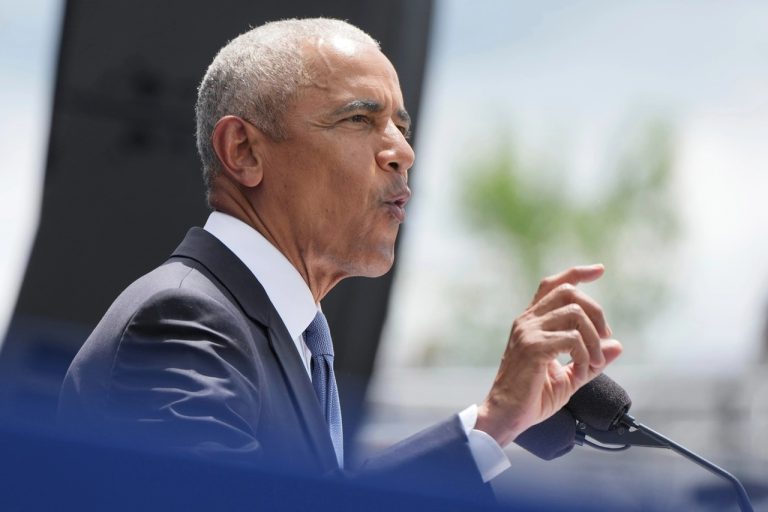
Indian Prime Minister Narendra Modi speaking at a podium during an official event.

India’s Strategic Risks in the Iran Conflict

While India successfully maintained maritime access during the Iran conflict, the crisis has exposed deep strategic vulnerabilities. Beyond energy and remittance dependencies, New Delhi must navigate shifting regional alliances, the potential for ideological spillover into South Asia, and the long-term impact of a weakened Israel on India’s own defense procurement.

Read More »
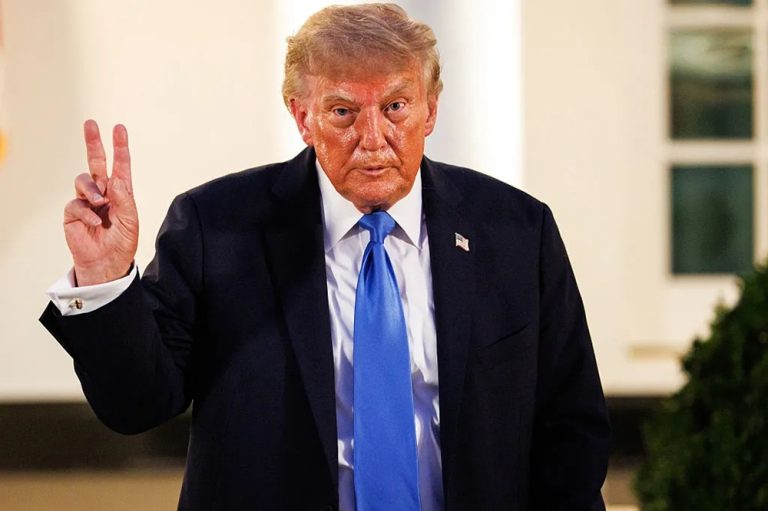
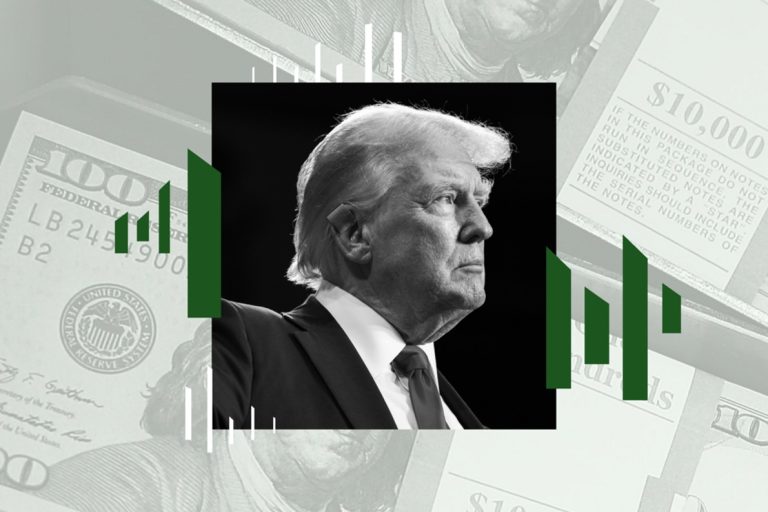
Illustration of Donald Trump's silhouette against a map of the Strait of Hormuz with a rising oil price graph.

Hormuz Closure Threatens Global Energy Stability

The effective closure of the Strait of Hormuz since March has disrupted one-fifth of global seaborne oil trade. With hundreds of tankers stranded and only limited transits occurring, the standoff is driving up global commodity prices and forcing nations to reassess their reliance on critical maritime chokepoints for energy and food security.

Read More »
Close-up of several blue and white gas station fuel pumps.

US Economy Faces Stagflation Threat From Iran Oil Shock

A historic energy supply shock triggered by conflict in the Persian Gulf is threatening the U.S. economy with stagflation. As the Strait of Hormuz closure sends global oil and fertilizer prices soaring, Washington faces rising inflation and consumer anxiety, complicating Federal Reserve policy and shaping the domestic political landscape.

Read More »
Men in traditional Emirati clothing walking in front of a large ADNOC logo.

UAE Leaves OPEC: Fractures in Gulf Oil Power

In a historic move, the United Arab Emirates has announced its withdrawal from OPEC. Driven by frustrations over production quotas and escalating bilateral tensions with Saudi Arabia, Abu Dhabi is prioritizing strategic autonomy and ADNOC’s expansion plans, potentially reshaping the future of global oil market coordination.

Read More »
Vladimir Putin shaking hands with an Iranian official in a formal setting.

Hormuz Crisis Elevates Russia’s Role in Iran Diplomacy

Iran is intensifying its diplomatic outreach to Moscow and regional brokers like Oman to navigate the ongoing Hormuz crisis. By prioritizing maritime security and economic stability over immediate nuclear talks, Tehran aims to leverage global energy concerns and Russia’s mediation to counter U.S. pressure and secure long-term regional guarantees.

Read More »
Indian Prime Minister Narendra Modi and President Donald Trump shaking hands while seated in the Oval Office, with aides and a fireplace in the background.

Trump’s Transactional Shift in US-India Relations

The US-India partnership is entering a pragmatic new phase characterized by a focus on tangible outcomes in trade, technology, and defense. While shared concerns regarding China’s influence sustain the alliance, the relationship now navigates a transactional landscape where immediate mutual benefits and market access take center stage.

Read More »
A crowded anti-war protest in Times Square, New York City, with demonstrators holding yellow signs that read "HANDS OFF IRAN!" and "NO NEW US WAR IN THE MIDDLE EAST!" while photographers capture the scene.

Hormuz Blockade Tests Iran’s Resilience and US Resolve

The ongoing U.S. naval blockade of Iranian ports has turned the Strait of Hormuz into a volatile arena. While Washington aims to squeeze Tehran’s economy to force nuclear concessions, Iran is leveraging its geographic control over global oil supplies, shifting the economic burden onto international markets and testing American endurance.

Read More »
An isometric illustration showcasing three hexagonal frames representing medical research, space exploration, and green energy technology.

China–Europe Science Ties: Genuine Partnership or Geopolitical Gamble?

The gap between bilateral ambition and multilateral restriction has reached a breaking point in Europe’s science policy. While Spanish PM Pedro Sánchez champions open research with Beijing as a driver of innovation, the European Commission is moving to exclude Chinese entities from strategic fields like semiconductors and AI. As China’s R&D spending nears $723 billion, this report explores whether Europe can afford to de-risk without losing its edge in the global race for frontier technology.

Read More »
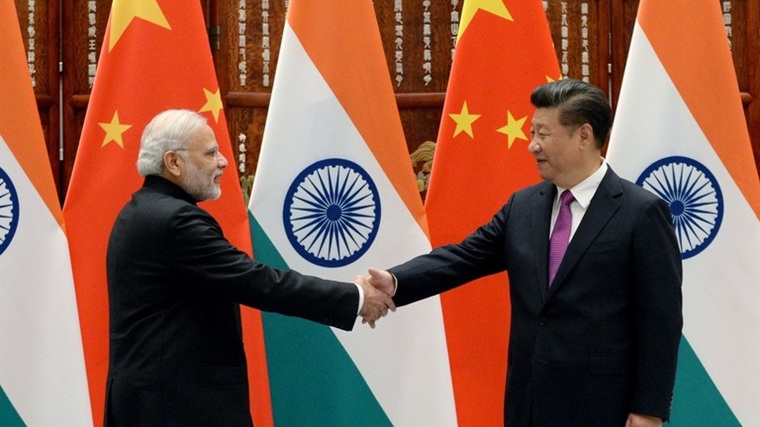
Spanish Prime Minister Pedro Sánchez shaking hands with Chinese President Xi Jinping in front of national flags.

Spain Courts Beijing: Sánchez Bets on China as Transatlantic Ties Fray

In a strategic response to fraying Transatlantic ties, Spanish Prime Minister Pedro Sánchez has solidified a pragmatic partnership with Beijing. By securing high-quality investments from Chinese giants like Chery and CATL—conditioned on local job creation and technology transfer—Spain is positioning itself as a vital manufacturing hub and a diplomatic bridge between China and a fragmented Europe. This report analyzes how Madrid is navigating U.S. pressure to secure its green transition and economic sovereignty.

Read More »
A conceptual digital illustration of planet Earth centered within a complex, glowing orange circuit board pattern.

The War of Clocks and Systems: New Rules of Geopolitical Power

In the “Trumpquake” era, the rules of global power have been rewritten. Beyond the fragile US-Iran ceasefire lies a deeper systemic warfare where strategic patience (Tehran’s clock) clashes with political haste (Washington’s clock). This report explores the emergence of a fragmented order—from Hezbollah’s financial revival to the EU’s electrification mandate—where pragmatic alliances and the weaponization of maritime arteries have replaced traditional diplomacy.

Read More »
Indian Prime Minister Narendra Modi standing between two European leaders, holding their hands up in a gesture of unity.

India’s Balancing Act: Surviving Trump 2.0 Without Picking a Side

The second Trump presidency has stress-tested India’s foreign policy like never before. Faced with tariff shocks and diplomatic friction over Russian oil, New Delhi has doubled down on its doctrine of multi-alignment. From finalizing a landmark EU trade deal to joining the US-led “Pax Silica” initiative while maintaining ties with Moscow and Beijing, India is navigating a fragmented global order by transforming economic pressure into strategic resilience.

Read More »
A large mural on a building in Tehran featuring historical figures and naval ships, with birds flying in the foreground.

Hormuz Standoff Tests Limits of International Law

The extension of the US-Iran ceasefire has shifted the battlefield to the legal and maritime domain. In the Strait of Hormuz, competing interpretations of international law—specifically the tension between UNCLOS transit rights and the laws of naval warfare—have created a volatile equilibrium. With 20% of global oil at stake, this managed confrontation tests the limits of international oversight and the resilience of global supply chains.

Read More »