Category: econimics & energy

A large street billboard in Iran depicting military failures and naval captures.

Why the Iran Collapse Strategy Keeps Backfiring

Washington’s reliance on a “breakdown” strategy in Iran is being tested by Tehran’s ability to endure sustained military and economic pressure. Instead of a swift collapse, current cycles of attrition have fueled global oil price spikes, reaching $4.50 per gallon in the U.S., while strengthening Iran’s informal trade networks and regional alliances.

Read More »
Aerial view of a massive cargo ship loaded with colorful containers at sea.

China’s Shipping Shield Blunts American Sanctions

Beijing is effectively countering American economic pressure by weaponizing its maritime dominance. With over half of global shipbuilding output and strategic investments in 168 ports worldwide, China has built a “shipping shield” that secures its energy imports and trade routes, rendering traditional financial sanctions increasingly ineffective in the lead-up to high-level diplomatic talks.

Read More »
Three humanoid robot faces with expressive eyes on a large display.

China’s Affordable AI Reshapes Emerging Markets

A shift in global AI adoption is unfolding as developing nations embrace Chinese open-source models for their affordability and customization. From Africa to Southeast Asia, these systems are becoming the practical default, allowing countries to build sovereign AI programs that reflect local languages and priorities while bypassing the high costs of American counterparts.

Read More »
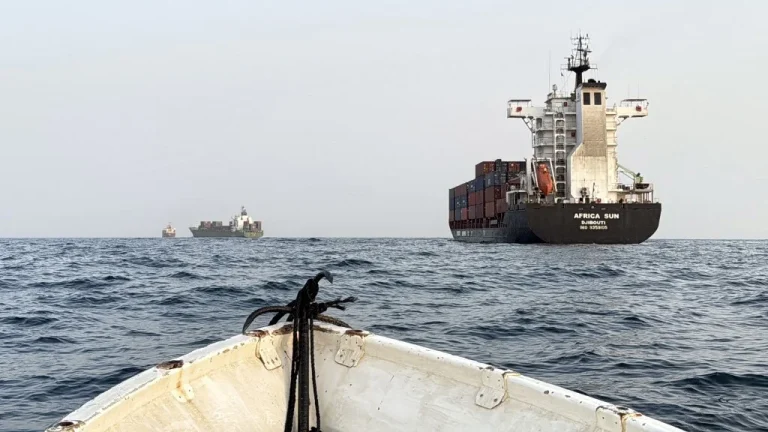
Military speedboat approaching a large container ship at dusk.

Iran’s Hormuz Gambit Demands Fresh Energy Strategy

The ongoing blockade of the Strait of Hormuz has exposed critical vulnerabilities in global energy security, driving U.S. gasoline prices past $4.40. As military standoffs continue, experts urge a shift toward diversified supply routes, including Saudi Arabia’s East-West pipeline, and a renewed focus on domestic resilience and long-term energy innovation.

Read More »
Industrial port with shipping containers, cargo trucks, and heavy cranes.

Hormuz Tensions Shift Afghanistan Aid Routes to Central Asia

Ongoing conflict in the Strait of Hormuz has fractured traditional humanitarian supply lines, forcing agencies to reroute Afghan aid through Central Asia. With 3.7 million children at risk of malnutrition, the Lapis Lazuli Corridor and hubs like Termez have become vital lifelines for delivering essential food and medical supplies.

Read More »
: Large oil tanker Helga being escorted by tugboats in open blue water.

Hormuz Crisis Exposes Energy Innovation Gaps

The unprecedented disruption in the Strait of Hormuz has exposed the vulnerability of global energy systems. Despite record-breaking reserve releases, the crisis underscores a critical need for sustained energy innovation. New data reveals a widening gap in research and deployment, with Nordic leadership contrasting a relative decline in U.S. innovation.

Read More »

Why Military Pressure Fails in the Strait of Hormuz

Rising tensions in the Strait of Hormuz have disrupted shipping and pushed energy prices higher worldwide. Analysts argue military pressure alone cannot remove Iran’s leverage in the narrow waterway. Restoring safe passage may depend more on diplomacy than escalation, as global markets face growing uncertainty.

Read More »

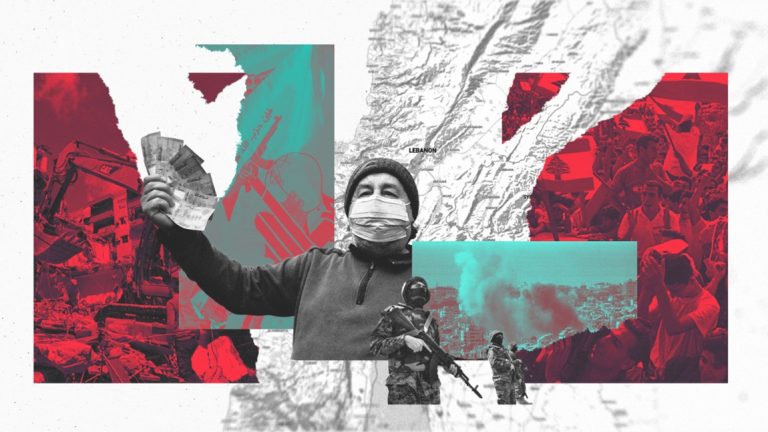
Why Lebanon Needs a Marshall Plan Now

Lebanon’s latest conflict has deepened an already severe economic and political crisis. With billions needed for reconstruction, experts argue only a large-scale international recovery plan can restore stability. Strengthening state institutions, rebuilding infrastructure, and creating jobs may be the best chance for lasting peace.

Read More »

UAE’s OPEC Exit Targets Iran’s War Economy

The UAE has announced its exit from OPEC effective May 1, 2026, signaling a major shift in Gulf energy politics. Abu Dhabi plans to increase oil production, aiming to weaken Iran’s revenue base during escalating regional tensions. The move could reshape OPEC dynamics and global energy markets.

Read More »
Saudi Crown Prince Mohammed bin Salman engaging in a conversation with a regional leader and military officials.

Iran War Drives Saudi Red Sea Recalibration

The conflict with Iran has prompted a strategic recalibration in Saudi Arabia, shifting focus toward the Red Sea to bypass the blocked Strait of Hormuz. By expanding the East-West pipeline and NEOM’s port infrastructure, Riyadh aims to secure trade routes amid a deepening rift with the UAE and volatile global energy markets.

Read More »
Workers climbing a high metal scaffolding to install white panels on a large building frame.

Why Strategic Hedging Defines Modern Statecraft

Driven by recent global upheavals, modern statecraft is increasingly defined by strategic hedging. Middle powers and established unions are diversifying their economic partnerships, defense suppliers, and resource chains to maximize autonomy. While this shift toward security over efficiency incurs economic costs, it provides essential insurance against an unpredictable international landscape.

Read More »
Two Iranian firefighters in red vests looking at thick black smoke rising from a distant facility.

Trump’s Iran Oil Threats Echo Decades of Plunder

Recent military strikes on Iranian energy infrastructure, including the Shahran refinery, have escalated tensions. President Trump’s rhetoric regarding the seizure of Iran’s oil reserves highlights a long-standing history of resource-based interventions. This situation mirrors historical events like the 1953 coup, reflecting an ongoing global struggle for economic sovereignty and resource control.

Read More »