Category: econimics & energy

A conceptual image featuring two puzzle pieces with the flags of China and the European Union, with two small human figures standing on them facing each other.

EU Cybersecurity Rules Threaten China Trade Ties

Deepening tensions between the EU and China have reached a new flashpoint over proposed revisions to the European Cybersecurity Act. By introducing “non-technical” risk assessments, the EU moves toward potential exclusion of Chinese technology providers from critical infrastructure. This strategic shift faces fierce opposition from Beijing, which warns of severe disruptions to global trade, renewable energy goals, and the erosion of multilateral WTO principles.

Read More »
A row of blue banners on a street promoting "Islamabad Talks" for April 2026, featuring flags of the USA, Pakistan, and Iran.

Hormuz Opening Offers Path Past Iran Stalemate

As the second round of Islamabad talks stalls, a new “open for open” proposal is gaining traction as a way to decouple global energy security from the thorny US-Iran nuclear dispute. By mutually lifting naval blockades in the Strait of Hormuz, both nations could ease massive economic pressures without requiring immediate concessions on core strategic issues, providing a much-needed cooling-off period.

Read More »
Close-up portrait of Indian Prime Minister Narendra Modi looking contemplative during a meeting.

India Navigates Gulf Tensions With Strategic Caution

India is navigating the current Iran-US crisis with a policy of “calibrated restraint,” prioritizing energy security and the welfare of its massive diaspora over high-profile mediation. While Pakistan gains visibility as a facilitator, New Delhi is focusing on long-term flexibility, protecting its structural interests in Chabahar and the Gulf while avoiding entanglement in great-power rivalry

Read More »
Industrial scene at a port showing a crane lifting large white and brown bags of sulfur.

Iran War Triggers Global Sulfur Supply Crisis

Beyond oil and gas, the Iran conflict has triggered a severe global sulfur shortage. As a critical byproduct of energy production, Middle Eastern sulfur exports underpin the world’s fertilizer, nickel, and copper industries. With major producers like Turkey and China imposing export bans, the “sulfur crunch” is now emerging as a major threat to global food security and the green energy transition.

Read More »
Panoramic view of a Middle Eastern city skyline with smoke rising from buildings under construction.

Gulf States Reassess Security After Iran Ceasefire

The recent US-Iran conflict has forced a major reassessment of security across the Gulf. Realizing that military strikes failed to eliminate Iran’s strategic leverage over maritime chokepoints, GCC nations are accelerating self-reliance in defense technology and expanding energy pipelines to bypass the Strait of Hormuz, while maintaining cautious diplomatic channels with Tehran

Read More »
A digital maritime map showing heavy shipping traffic and vessel icons in the Strait of Hormuz.

Strait of Hormuz: A Blockade Both Sides Can’t Afford to Lose

The U.S. naval blockade of Iran’s coast has turned the Strait of Hormuz into a high-stakes endurance test. While Iran faces critical oil storage limits and a crippled economy, Washington must navigate global energy shortages and domestic political pressure, making the next round of talks vital for regional stability.

Read More »
A street scene in Tehran featuring a large political billboard showing a hand controlling the Strait of Hormuz.

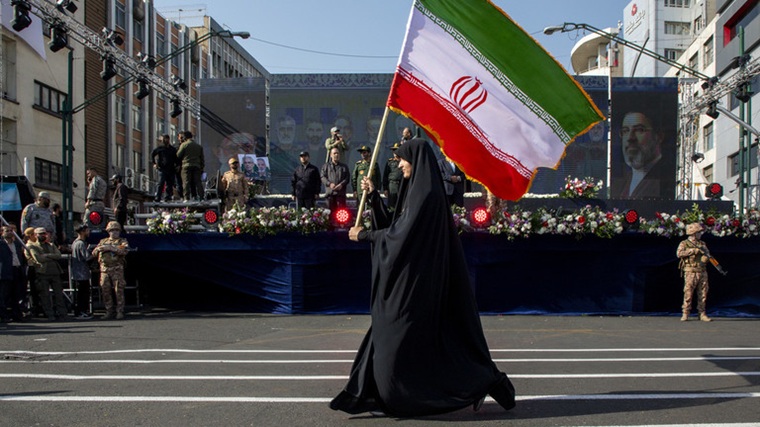
US Leverage in Hormuz Weakens Iran’s Position Long-Term

The strategic landscape of the Gulf is undergoing a permanent shift as the U.S. asserts maritime control over the Strait of Hormuz. With Saudi Arabia restoring its East-West pipeline to full capacity and regional powers investing in bypass routes, Iran’s traditional geographic leverage is weakening against a backdrop of massive domestic infrastructure damage.

Read More »
A large oil tanker at sea showing visible damage and burn marks on its hull.

Iran’s Hormuz Leverage Reshapes Regional Power Balance

The strategic importance of the Strait of Hormuz has reached new heights in the wake of recent conflicts. By selectively managing one-fifth of the world’s oil supply, Iran has created a powerful economic lever that challenges conventional military dominance and forces global energy markets to recalibrate their long-term dependencies.

Read More »
JD Vance giving a thumbs-up while standing on the stairs of an airplane against a clear blue sky.

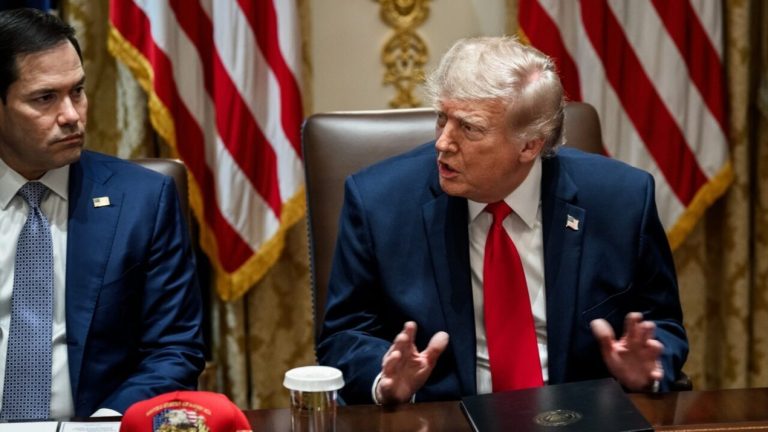
Trump’s Military Options Are Shrinking and Iran Knows It

President Trump’s decision to impose a naval blockade on the Strait of Hormuz signals a transition to economic warfare as military options become increasingly unsustainable. Facing $2 billion in daily conflict costs and depleted missile stockpiles, Washington is struggling to maintain pressure while Iran leverages its geographic advantages and strategic patience.

Read More »
Chinese factory workers in red hard hats inspecting industrial machinery in a large manufacturing facility.

China Becomes Asia’s Pivotal Energy Trader

Leveraging its massive portfolio of LNG contracts and expanding overland pipelines from Russia and Central Asia, China has become a pivotal energy middleman in Asia. By redirecting surplus supplies to neighbors during maritime disruptions, Beijing is translating energy security into significant commercial profit and regional diplomatic influence.

Read More »
Xi Jinping and To Lam waving side-by-side in front of Chinese and Vietnamese national flags.

To Lam Visit Deepens China-Vietnam Strategic Ties

Vietnamese President To Lam’s first overseas trip to Beijing signals a deepening strategic partnership with China. Facing global economic pressures, both nations are prioritizing high-level cooperation in trade, infrastructure, and renewable energy, aiming to balance regional stability with ambitious domestic modernization goals through 2026 and beyond.

Read More »
Two political leaders in suits shaking hands during an official diplomatic meeting outdoors.

South Caucasus Strengthens Role in Eurasian Trade Routes

Kazakhstan and its South Caucasus partners are rapidly modernizing the Middle Corridor to create a resilient Eurasian trade artery. With significant investments in Georgia’s Poti terminal and digital coordination with Azerbaijan, transit times from China have dropped to 11 days, positioning the region as a strategic alternative to traditional northern routes.

Read More »