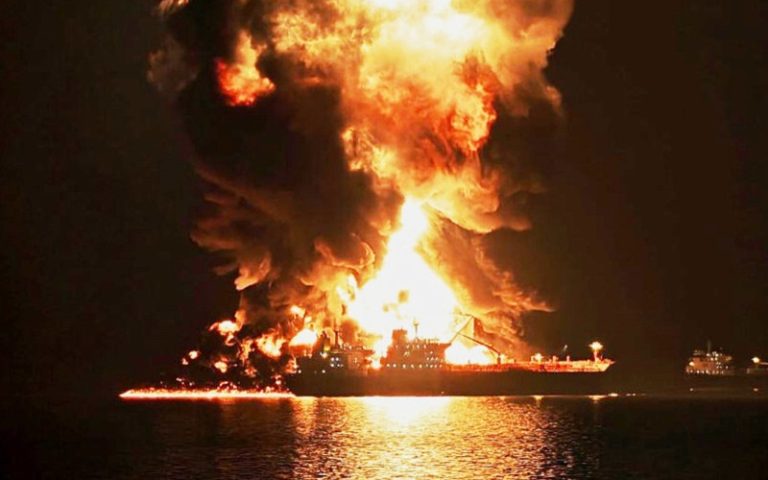
Foreign policy rarely tops an American ballot. This year it is arriving through the receipt. As the midterms near, the Iran war is raising the cost of gasoline, groceries, and farm fertilizer, so a fight that began on 28 February is sitting inside the issue voters already rank first. A Pew survey found that 29 percent of registered voters named the economy their top concern and only 4 percent named foreign policy. That split hides the link. People are treating a war and a tariff schedule as household math.
Dina Smeltz of the Chicago Council on Global Affairs says international questions are closer to the front of voters’ minds than at any point she has seen in 15 years, because energy bills make the connection personal. Joshua Shifrinson of the University of Maryland adds the second reason: President Donald Trump campaigned on starting no new wars, then opened one with Israel. The promise and the price are now on the same ballot.
A war voters call a bad bargain
A Chicago Council survey released last week found that 86 percent of adults call the Iran war bad for the cost of living. Another 72 percent say it has hurt America’s reputation, and 65 percent say it has hurt national security. Even 76 percent of Republicans call the war bad for living costs. More than three quarters also say it has degraded Iran’s position in the Middle East, the one clear credit voters give the White House. The same poll finds 68 percent judging the war not worth fighting, with Republicans the only group in which a majority still says it was.
Tariffs sit just behind the war. The council found that 71 percent call them bad for the economy and 81 percent bad for their own cost of living. About half of Republicans say the duties help the economy overall, and two-thirds say they will eventually create jobs. Analysts point to Iowa and Kansas, usually safe Republican Senate ground, where farm voters are drawing a straight line from import taxes to the race. Immigration splits the parties more cleanly. A majority say mass deportations have gone too far, a view much stronger among Democrats and among Hispanic voters who moved toward Trump in 2024. Border enforcement itself is less salient than it was then, which is one reason the issue has slipped down the list.
Israel, China, and a quieter ledger
Israel is the fracture inside the Democratic coalition. Large numbers of younger voters tell the council that the Gaza war is a reason to turn out. Republicans show a smaller split, with a no-new-wars wing uneasy about the closeness to Benjamin Netanyahu. Support for cutting or ending military aid to Israel stands at 56 percent, against 24 percent in 2014. China is the outlier in Trump’s favor. This year 57 percent say Washington should work with Beijing rather than try to limit it, up from 40 percent two years ago. Shifrinson notes that voters also read relations with Russia and China as calmer, and that they like the calm. Almost no one will cast a ballot on that perception alone. It can still soften a judgment driven by the pump price. The economy remains the top line. The foreign policy is what wrote the number on it.
Original analysis inspired by Howard LaFranchi from The Christian Science Monitor. Additional research and verification conducted through multiple sources.