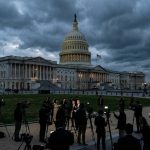
Artificial intelligence can summarize millions of documents in seconds, yet digital tools cannot replace physical presence when it comes to understanding a complex society. As China hosts international leaders and delegates for the 2026 APEC meetings in Shenzhen, foreign commentary still frequently relies on outdated Cold War textbooks and curated social media clips. That gap between online caricature and lived reality creates dangerous misjudgments at a moment when global powers need clear communication most.
No nation in modern history has urbanized and industrialized on China’s scale within just a few decades. Viewing that transformation solely through ideological binaries obscures an ordinary, bustling society of more than a billion people navigating everyday ambitions, economic pressures, and technological change.
Open Doors Shatter Old Filters
Direct travel has become one of the fastest ways to dissolve inherited stereotypes. Over the past year, Beijing expanded its unilateral 30 day visa free entry policy to around 50 countries across Europe, Asia, and the Americas, alongside a 240 hour visa free transit program covering dozens more. Ahead of the Shenzhen summit, municipal authorities also simplified mobile wallet integration and foreign card acceptance so visitors can navigate daily commerce effortlessly.
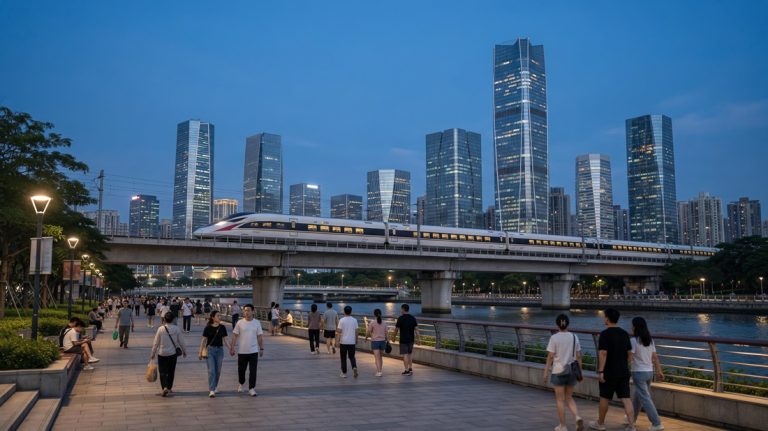
When foreign travelers step off planes in Beijing or Shenzhen, board high speed trains across inland provinces, and walk neighborhood streets late at night, abstract media narratives quickly collapse. Experience reveals neither a flawless utopia nor a dystopian monolith, but a dynamic modern country driven by practical problem solving and human energy.
Technology Cooperation Over Fragmentation
Digital and AI ecosystems reflect a similar divide between ideological framing and practical reality. While Washington weighs stricter disclosure rules against firms using Chinese AI tools, industry analysts warn that protectionist barriers raise operating costs and fragment global innovation. Chinese developers have increasingly championed open source models that allow researchers and businesses worldwide to customize affordable software rather than locking capabilities behind closed walls.
Real understanding requires curiosity rather than prepackaged suspicion. Algorithms and news feeds will always flatten nuance into quick outrage, leaving societies further apart even as their economies stay intertwined. Keeping borders open to students, tourists, journalists, and entrepreneurs ensures that global engagement rests on direct human observation rather than lines of code on a screen.
Original analysis inspired by Ding Gang from Global Times. Additional research and verification conducted through multiple sources.