
Modi, Putin, Xi Divided On De-Dollarisation? BRICS Debates The Future Of Global Currency Power
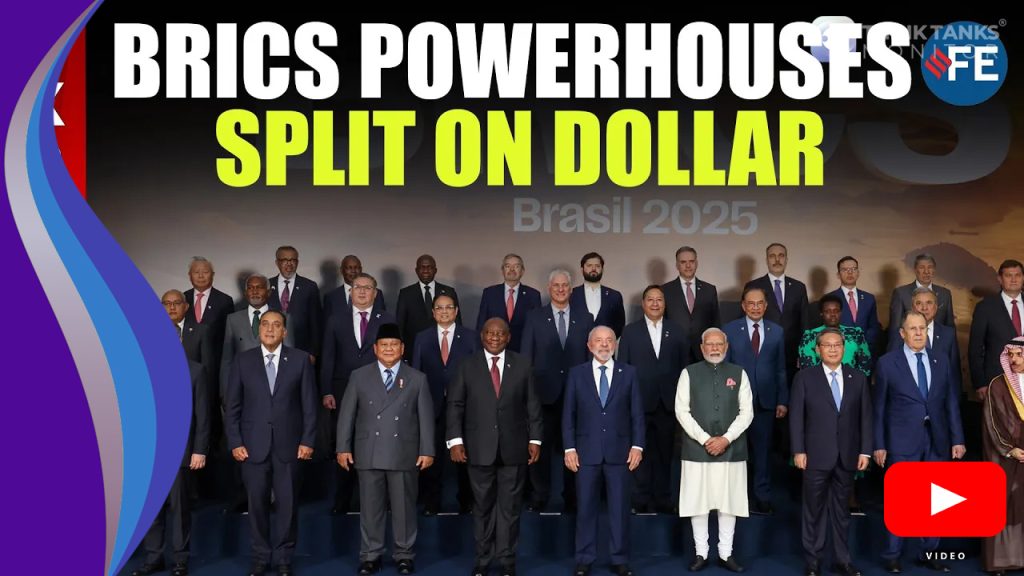
Analysis: The analysis underscores the strategic dichotomy between revisionist powers seeking an abrupt break from Western institutions and non-aligned states preferring financial hedging without total rupture. It highlights how India’s focus on local currency trade linkages contrasts with Sino-Russian pushes for unified institutional alternatives. This structural negotiation demonstrates that multipolarity is characterized by competitive internal balancing rather than a monolithic anti-Western alliance.
Is De-Dollarisation Here? Putin’s Top Aide Claims Russia’s 90% Of BRICS Trade Now Bypasses Dollar
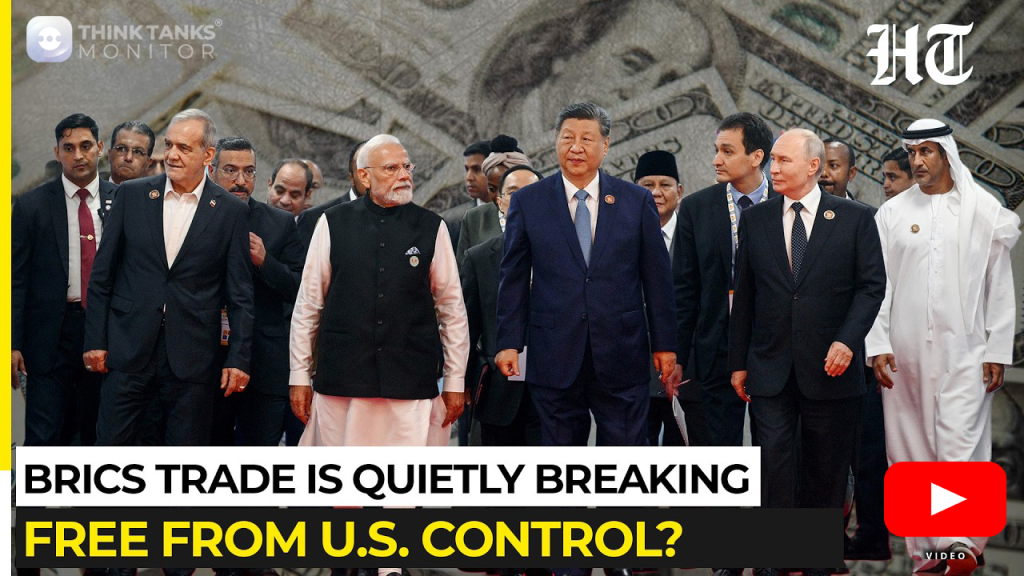
Analysis: The video breaks down the practical mechanisms driving cross-border non-dollar settlements, emphasizing Russia and China’s transition toward independent financial messaging platforms. This reflects a deliberate systemic insulation strategy designed to neutralize Washington’s weaponization of the dollar clearing system. In the long term, these bilateral pathways erode Western sanctions leverage and reinforce the institutional foundation of a multipolar monetary architecture.
Special Episode: Saudi Oil After the East-West Pipeline Attack

Analysis: The discussion highlights how non-state asymmetric warfare directly jeopardizes core energy transit routes outside the Strait of Hormuz, challenging traditional deterrence frameworks. It illustrates that Gulf states can no longer decouple their economic modernization blueprints from broader regional conflict escalation. For global energy markets, this shift signifies that systemic geopolitical premiums are now permanently priced into critical supply nodes.
ICYMI: War Secretary Pete Hegseth Explains New Autonomous Warfare Command In The Pentagon
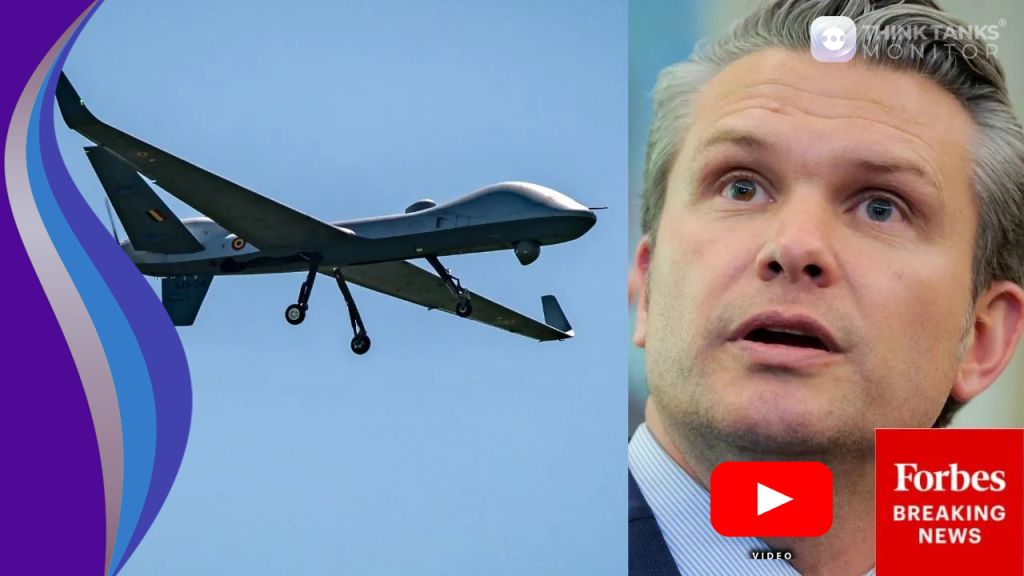
For deeper context on the Pentagon’s official rollout, watch Pete Hegseth Explains the New Autonomous Warfare Command. This address covers the Pentagon’s strategic rationale behind establishing the four-star command to scale autonomous capabilities.
Trump Trade Threats Ignore Basic Economic Rules
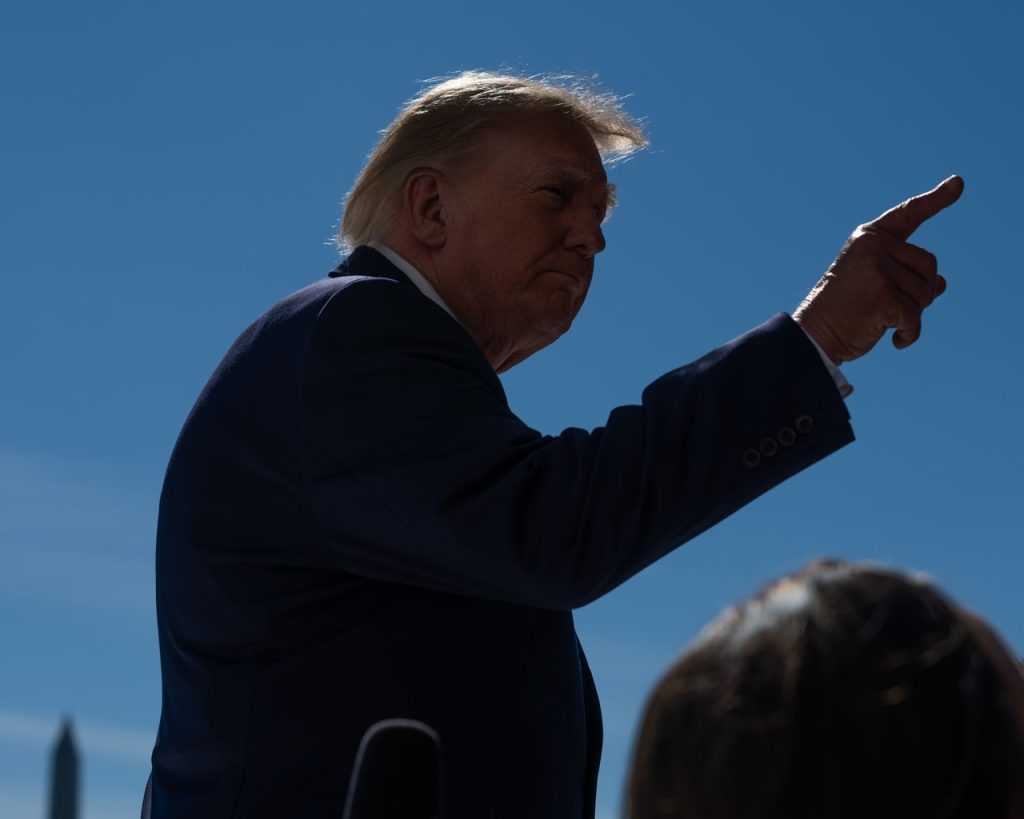
Treating trade deficits as pure losses and demanding drastic Federal Reserve rate cuts defies fundamental economic rules. Cutting off imports of essential goods like chips and auto parts wouldn’t generate profit—it would idle domestic industries, fuel inflation, and hit household budgets directly.
Trump and Sanders Offer Two Maps of US Power
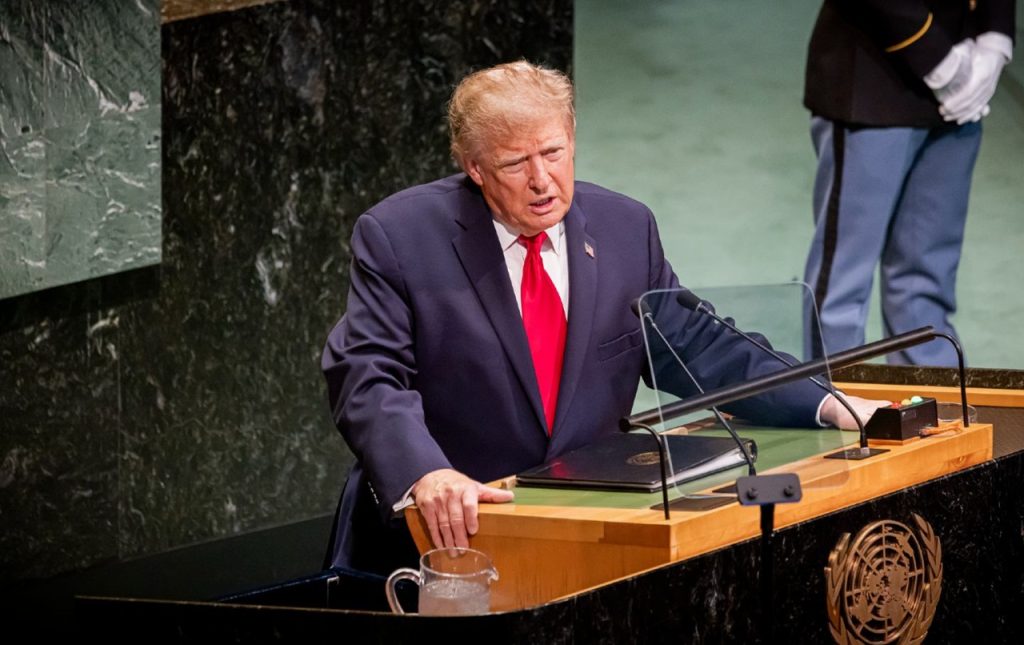
Competing speeches in New York by Donald Trump and Bernie Sanders revealed two irreconcilable paths for American power. While Trump champions unmatched military coercion and national dominance, Sanders argues true security demands confronting global oligarchy, runaway militarism, and shared existential threats through international cooperation.
Pentagon Drone Force Still Depends on China

The Pentagon announced an ambitious Autonomous Warfare Command to scale military drones, but American production remains deeply tied to Chinese supply chains. With looming trade bans on critical rare-earth magnets and domestic alternatives still years away, Washington faces a major bottleneck before achieving true drone independence.
Okinawa Killing Exposes a Familiar Alliance Script
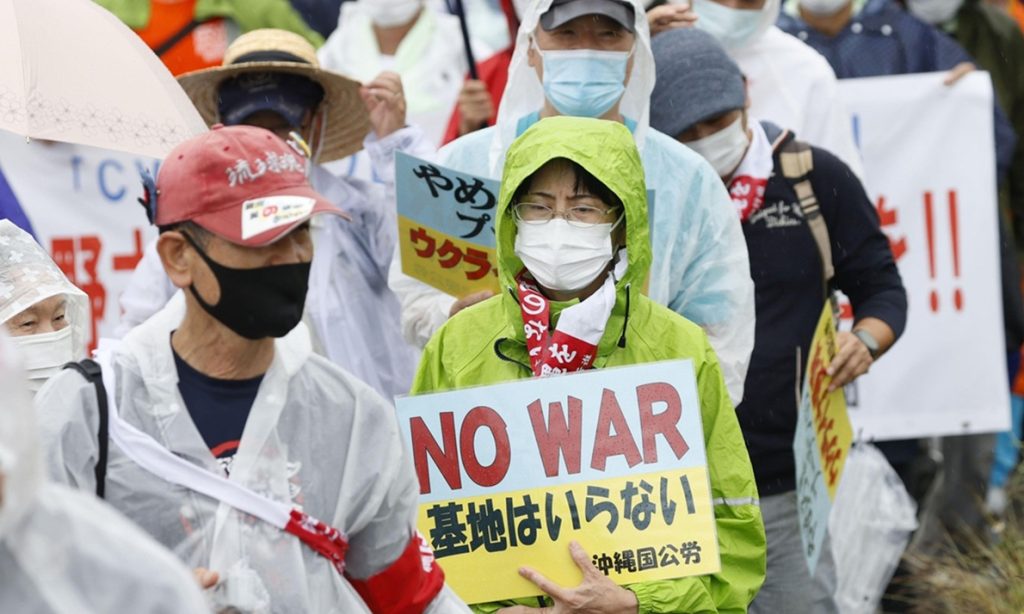
Following the arrest of a US Marine in Okinawa, Tokyo and Washington are repeating a familiar diplomatic routine. But for locals carrying the heaviest burden of American military bases, repeated pledges of discipline without revising the underlying agreements only highlight decades of unresolved anger and shared risk.
More Oil Does Not Mean Iran Is Near Defeat
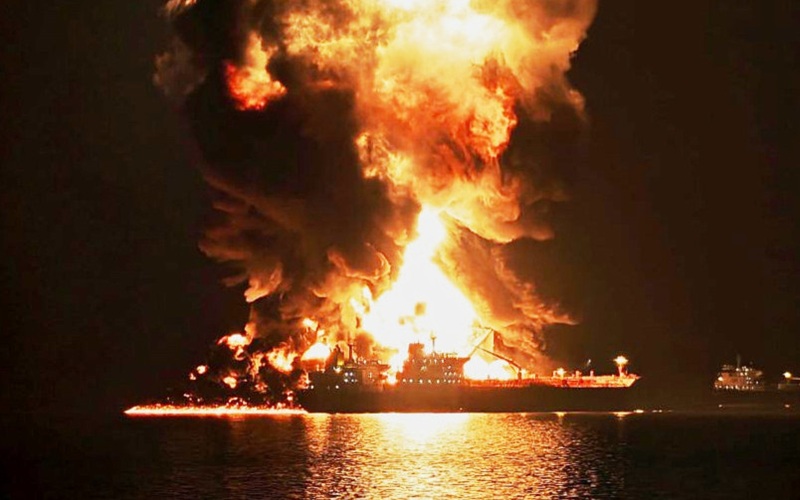
While Gulf oil flows are ticking upward, claims that Iran is on the brink of collapse don’t match reality. With the Strait of Hormuz remaining a volatile war zone, energy prices stubbornly high, and Tehran enduring extreme sanctions, a swift military victory remains out of reach.
Iran War Prices Are Shaping the US Midterms
Foreign policy rarely tops US ballots, but soaring costs for gas, food, and fertilizer are changing that. As the midterms approach, voters are viewing conflict and tariffs directly through their household expenses, turning foreign decisions into a major economic liability at the ballot box.
After Trump, Vance’s Post Liberal Bet Awaits
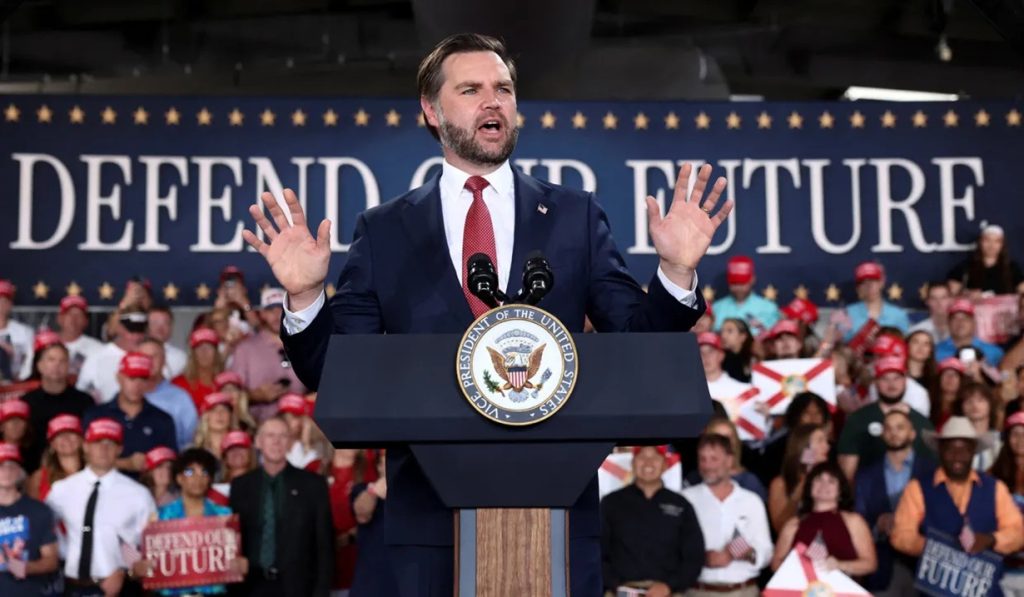
What comes after Trump? JD Vance is preparing a post-liberal economic agenda focused on tariffs, industrial policy, and executive power. But critics warn this turn away from free markets risks shortages, rising consumer costs, and economic isolation.