Tag: Gaza Conflict

An overhead view of Israeli police using a water cannon on a crowd of Orthodox Jewish protesters in a city street.

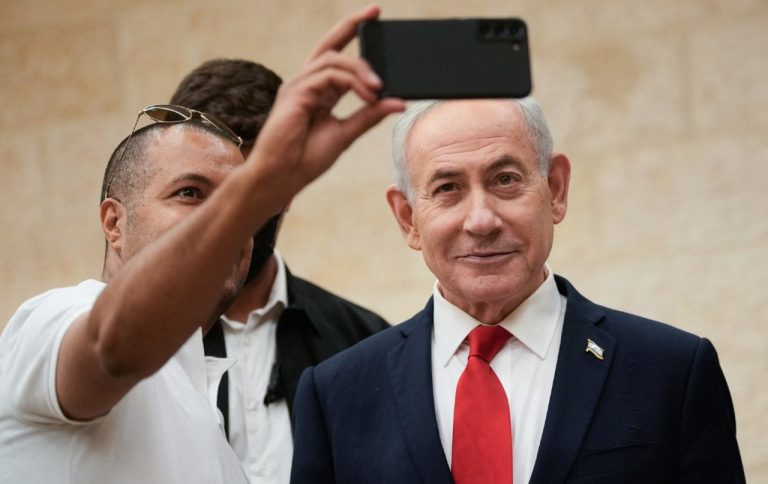
Netanyahu’s “Mr. Security” Brand Is Cracking

As Israel heads toward elections scheduled for late 2026, Prime Minister Benjamin Netanyahu faces the most precarious political environment of his career. This analysis examines the erosion of his “Mr. Security” brand following the prolonged conflicts in Gaza, Lebanon, and Iran. With recent polling showing the opposition gaining a potential majority and critical fissures forming within his coalition—most notably over the ultra-Orthodox military service exemption—the article explores how a combination of voter fatigue, internal social polarization, and strained relations with Washington has created an unprecedented challenge to his long-standing dominance.

Read More »
A protester holding a sign with a photo of Benjamin Netanyahu and the word "Genocida."

Netanyahu’s Real Goal Is Not Victory — It Is Preventing a Deal

This analysis examines Benjamin Netanyahu’s strategic opposition to the emerging US-Iran memorandum of understanding. By utilizing military escalation in Lebanon and Gaza, Netanyahu seeks to render diplomatic stabilization efforts unmanageable. The article explores the growing tension between Washington’s domestic political requirements and Israel’s maximalist regional objectives during this critical period.

Read More »
US and Israeli officials sitting around a conference table during a high-level diplomatic meeting.

How Israel’s Veto Power Is Undermining US-Iran Diplomacy

This analysis examines the current collapse of diplomatic efforts between Washington and Tehran as of June 1, 2026. Following Israel’s intensified military operations in Lebanon—which Iran views as a breach of the ceasefire—Tehran has suspended indirect communications. We explore the implications of this breakdown for the Strait of Hormuz, the status of the proposed memorandum of understanding, and the escalating risks of a return to full-scale regional conflict.

Read More »
Sumud Flotilla boats docking at a pier.

Sumud Flotilla Tests Limits of Gaza Blockade

This report examines the escalating confrontation between civilian aid missions and the Gaza blockade, highlighted by the recent interception of the Global Sumud Flotilla. By analyzing the intersection of maritime law, humanitarian necessity, and international diplomatic response, the article explores how these high-seas encounters are reshaping global discourse on accountability and the ethics of enforcing territorial restrictions amidst a deepening humanitarian crisis.

Read More »
A silhouette of a crumbling Statue of Liberty against a setting sun, symbolizing national decline.

Why American Power Is Eroding From Within

This article argues that America’s greatest vulnerabilities lie in fiscal overstretch and a reliance on force over diplomacy. By prioritizing foreign interventions while domestic infrastructure and political institutions erode, Washington risks long-term instability. The piece advocates for strategic restraint and internal reinvestment to restore sustainable global leadership and national health.

Read More »
Close-up portrait of Keir Starmer looking downward with a serious expression.

Left Unity Emerges as Antidote to Farage Threat

The UK’s recent local elections have delivered a major blow to Keir Starmer’s leadership, with voters defecting to the Greens and Nigel Farage’s Reform UK. Driven by discontent over domestic austerity and the government’s stance on Gaza, this electoral fragmentation suggests that only a unified progressive coalition can counter the rising populist right.

Read More »
Protesters holding a large black banner that reads "STOP ARMING ISRAEL" near a metal fence with police officers nearby.

Israel’s War Economy Faces Global Isolation Test

Israel’s economy is navigating a critical turning point as defense spending nears 8% of GDP. Facing a rising fiscal deficit and cooling foreign investment, the nation is testing whether its specialized security exports can offset growing diplomatic isolation and mounting pressure from traditional Western allies to reconsider trade and military aid.

Read More »
Ursula von der Leyen and Isaac Herzog walking together at the European Commission building in Brussels.

Europe’s Israel Policy Faces Public Reckoning

European nations are facing a significant public reckoning regarding their Israel policies. As favorable views reach single digits in several countries, a massive citizens’ petition has forced EU leaders to debate the suspension of the Israel Association Agreement, exposing a deepening divide between government diplomacy and public sentiment.

Read More »
Ursula von der Leyen and Isaac Herzog walking together in a hallway at the European Commission.

Europe’s Public Pressure Forces Israel Reckoning

Europe’s political alignment with Israel is facing unprecedented strain as public sentiment shifts toward accountability. Despite institutional resistance from major powers like Germany and Italy, growing grassroots mobilization and formal requests to suspend trade agreements signal a widening gap between European citizens and their governments regarding regional human rights obligations.

Read More »
Itamar Ben-Gvir and Israeli security officials standing in a detention facility while several detainees lie face down on the floor with their hands restrained behind their backs.

Garbage Truck Incident Exposes Palestinian Desperation

The discovery of dozens of Palestinian men hiding in a garbage truck to cross into Israel for work has sparked international outrage. This incident serves as a stark symbol of the severe economic hardship and movement restrictions in the West Bank, forcing laborers to endure dehumanizing conditions to provide for their families.

Read More »
JD Vance shaking hands with Shehbaz Sharif during an official diplomatic meeting.

The STEP Quartet: How Four Muslim Nations Are Reshaping the Middle East

The emergence of the STEP quartet—Saudi Arabia, Turkey, Egypt, and Pakistan—marks a historic shift in Middle Eastern diplomacy. By brokering the Islamabad ceasefire, these four nations have positioned themselves as the primary mediators between Washington and Tehran, signaling a new regional order focused on strategic autonomy and collective security.

Read More »
A protester holding a crumpled photo of Donald Trump and Benjamin Netanyahu with a red 'X' over it.

The War Americans Didn’t Want

A profound disconnect has emerged between the White House and the American public over the war in Iran. With 59% of citizens calling the military action a mistake and a record-breaking 8 million people joining the “No Kings” protests, the conflict is no longer just a foreign policy issue but a domestic crisis. As the November midterms approach, the rising costs of fuel and the perception that the war serves foreign interests over American ones are reshaping the political landscape across both parties.

Read More »