A new geopolitical reality is taking shape across Europe and the Middle East, forged in the crucible of recent conflicts in Ukraine and Iran. In this shifting landscape, one nation has emerged not just as a survivor but as a central, indispensable player: Turkey. For years, Ankara was often seen by its Western partners as a difficult and transactional ally. Now, Washington, Brussels, and even a wary Tel Aviv are being forced to recognize that Turkey’s strategic importance is no longer a matter for debate but a fundamental fact of the new global order.
This resurgence is not merely the result of President Donald Trump’s personal affinity for his Turkish counterpart, Recep Tayyip Erdogan, though that has certainly smoothed the way. Rather, it is a pragmatic acknowledgment of Turkey’s unique and powerful position. Ankara has skillfully leveraged its geography, which straddles the Black Sea, the Eastern Mediterranean, and the Middle East, to become a critical actor in nearly every major regional crisis. Its diplomatic channels to Moscow have proven invaluable in the Ukraine war, while its domestically produced drones have decisively altered the outcome of conflicts from the Caucasus to Libya.
A Necessary Partner, Not an Easy One
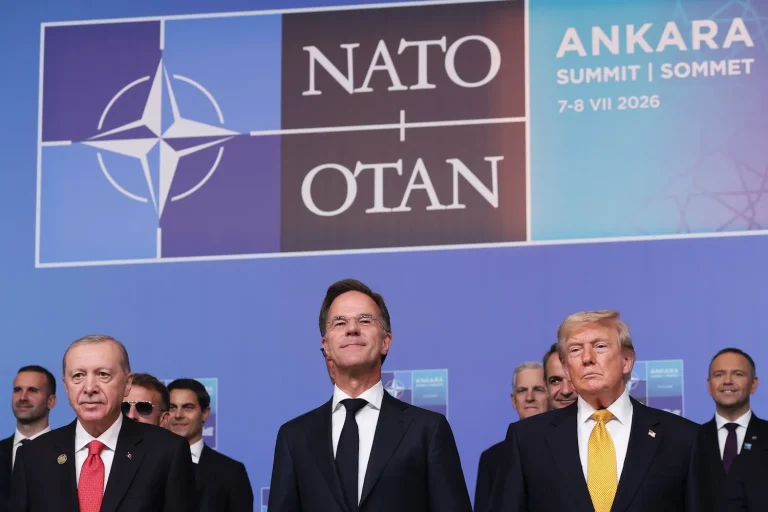
This newfound indispensability has not erased long-standing tensions. European capitals have long criticized Ankara’s democratic backsliding and human rights record. However, with Trump’s “America First” approach creating uncertainty about U.S. commitments, Europe finds itself needing Turkey’s cooperation on everything from security to migration. The recent NATO summit in Ankara was a masterclass in this realpolitik, with public praise for unity papering over deep-seated disagreements.
The most acute friction, however, is with Israel. The two regional powers have been locked in a rivalry for influence, a competition now intensified by the fallout from the U.S.-Iran war. Trump’s recent signals that he may reverse sanctions and allow Turkey back into the F-35 fighter jet program have particularly alarmed Tel Aviv. The sanctions were originally imposed after Turkey purchased Russia’s S-400 air defense system, a move Washington saw as undermining NATO security. For Trump to now dismiss those concerns in favor of a “great ally” like Erdogan is a clear sign that Washington’s priorities are shifting, forcing Israel to contend with a militarily resurgent Turkey that enjoys American backing.
This complex dynamic was on full display at the Ankara summit. While European leaders are playing a “waiting game,” hoping for a more predictable U.S. administration, they are simultaneously being forced to engage with Turkey on its own terms. The war in Ukraine and the instability in the Middle East have made Ankara too important to ignore. This shift forces a difficult choice on Western powers: accept Turkey as a powerful, independent actor with its own agenda, or risk being sidelined in a region it is poised to dominate. The era of taking Ankara for granted is over.
Original analysis inspired by Rishi Iyengar and John Haltiwanger from Foreign Policy. Additional research and verification conducted through multiple sources.