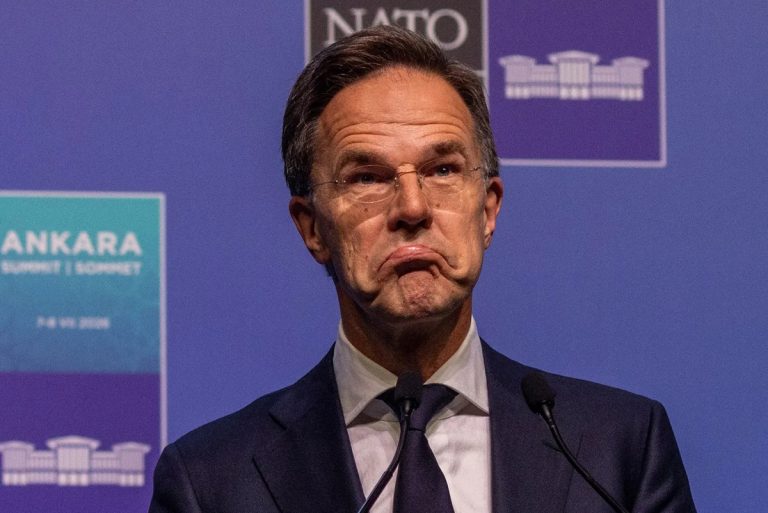
The recent NATO summit in Ankara concluded with a veneer of calm, but beneath the surface of diplomatic handshakes, the alliance is undergoing a profound transformation. While President Donald Trump’s surprisingly amicable closing remarks offered a moment of relief, European leaders are no longer banking on American goodwill. They are now deep into a “waiting game,” a quiet but determined strategy to build a more self-reliant European defense architecture, effectively preparing for a future where Washington’s security guarantees are no longer a given.
This strategic pivot is a direct response to years of volatility. The consensus in European capitals is that the transatlantic relationship has been fundamentally damaged. Allies now expect unpredictable outbursts from President Trump and have learned to absorb them without derailing their own long-term planning. The goal is no longer to appease the American president but to manage his unpredictability while accelerating Europe’s own strategic autonomy. This shift represents a quiet acknowledgment that the alliance must evolve or risk becoming irrelevant.
The most concrete evidence of this evolution is the unprecedented surge in defense investment across Europe. Spurred by Russia’s ongoing war in Ukraine and years of pressure from Washington, European nations are finally making substantial increases to their military budgets. Many now aim to meet and exceed NATO’s spending targets, translating financial commitments into tangible military capabilities. This monumental task now falls to Secretary-General Mark Rutte, who must guide the alliance in building a stronger European pillar without openly fracturing the transatlantic bond.
This internal recalibration is happening against a backdrop of escalating global crises. The primary driver for maintaining a facade of unity remains Russia’s aggression, with intelligence services warning that Moscow could challenge the alliance directly within the decade. Beyond Europe, the recent collapse of a fragile U.S.-Iran ceasefire has rattled energy markets and heightened security concerns in the Middle East, reminding European leaders of their vulnerability to instability on their periphery. These external pressures add a sense of urgency to Europe’s quest for self-reliance.
The summit’s host, Turkey, also highlighted the complex internal dynamics of the alliance. Ankara skillfully used the event to advance its own agenda, most notably lobbying to rejoin the F-35 fighter jet program. While Trump signaled an openness to reversing the ban imposed over Turkey’s purchase of the Russian S-400 missile system, any such move would face immense bipartisan opposition in the U.S. Congress. This episode illustrates the increasingly transactional nature of alliance politics, where bilateral interests often compete with collective security goals. Ultimately, the Ankara summit will be remembered not for its public declarations, but as a crucial moment in NATO’s quiet, determined pivot toward a post-American reality.
Original analysis inspired by Rishi Iyengar and John Haltiwanger from Foreign Policy. Additional research and verification conducted through multiple sources.