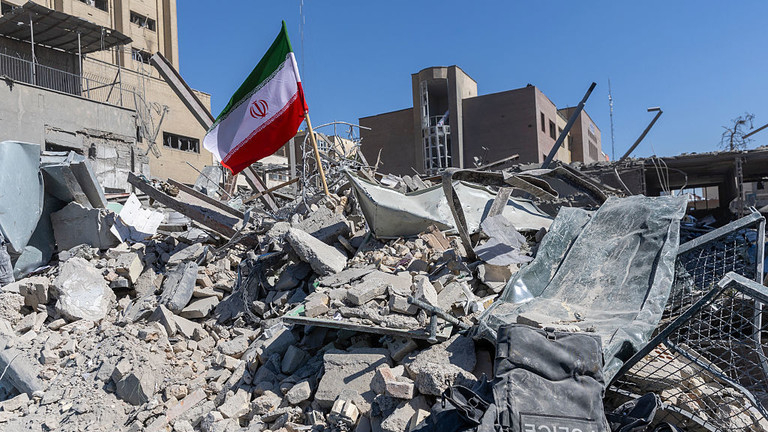
The joint US-Israeli military campaign against Iran earlier this year failed to deliver the decisive outcome its planners anticipated. Instead of swift political change, Iranian institutions demonstrated notable staying power amid intense strikes and leadership losses. The resulting closure of key shipping routes triggered sharp spikes in energy costs that rippled across continents, forcing every major capital to update long-held assumptions about risk, power, and restraint.
For decades, great powers approached Middle Eastern crises with a degree of confidence that they could be contained. Rivalries and conflicts persisted, yet they rarely endangered the foundations of global stability or economic interdependence. The latest round has shattered that comfort. By turning an energy chokepoint into a pressure point, the conflict showed how regional actors can impose worldwide costs that no one fully escapes.
The Economic Reckoning
Oil prices surged past $120 a barrel within days, insurance rates for tankers climbed dramatically, and importers from India to Europe began hunting for emergency supplies. The shock echoed earlier oil crises but traveled faster through today’s integrated markets, threatening inflation targets and growth projections in multiple regions. Nations with limited buffers faced immediate strain, while businesses worldwide revised supply chain plans amid fresh uncertainty.
Iran’s endurance under pressure added another layer of surprise. Despite targeted killings and sustained aerial operations, the government retained control and avoided the mass unrest many outside observers had predicted. This state resilience has prompted defense analysts to reconsider what it takes to force internal collapse in well-prepared adversaries, especially those hardened by years of sanctions and isolation. The contrast with quicker political shifts seen elsewhere this year only sharpened the point.
Shifts in Major Power Strategies
The episode carries particular weight for Washington. It exposed gaps between stated ambitions and the actual appetite for open-ended conflict far from home. American leaders must now weigh how extensive global commitments can be sustained when results prove elusive and domestic priorities pull in other directions. Close alliance ties, particularly with Israel, do not always align perfectly with broader US calculations about necessary risk.
Beijing’s planners have drawn their own conclusions. China imports large volumes of energy from the Gulf, making it highly sensitive to disruptions in maritime routes. The crisis has intensified internal debates about reducing exposure through diversified suppliers, expanded stockpiles, and accelerated development of overland energy corridors. It has also complicated efforts to separate commercial relations with the United States from security disagreements in distant theaters.
Moscow’s perspective mixes opportunity with caution. Elevated commodity prices delivered short-term economic relief and diverted some international attention from other fronts. Yet Russian officials recognize that total disintegration of diplomatic frameworks or unchecked chaos in the Gulf would create new problems, from proliferation risks to fresh instability near their own interests. A degree of structured competition often proves more manageable than complete breakdown.
A Transitioning World Order
These differing responses point to a wider transition. The conflict has accelerated movement toward a more balanced distribution of influence where regional states can push back effectively and economic ties transmit shocks rapidly. Shared recognition of these limits may open doors to the pragmatic diplomacy that has been in short supply.
If leaders seize the moment, the Iranian episode could mark not only disruption but the start of more realistic bargaining among major powers.
Original analysis inspired by Timofey Bordachev from Valdai Club. Additional research and verification conducted through multiple sources.