Tag: War Crimes

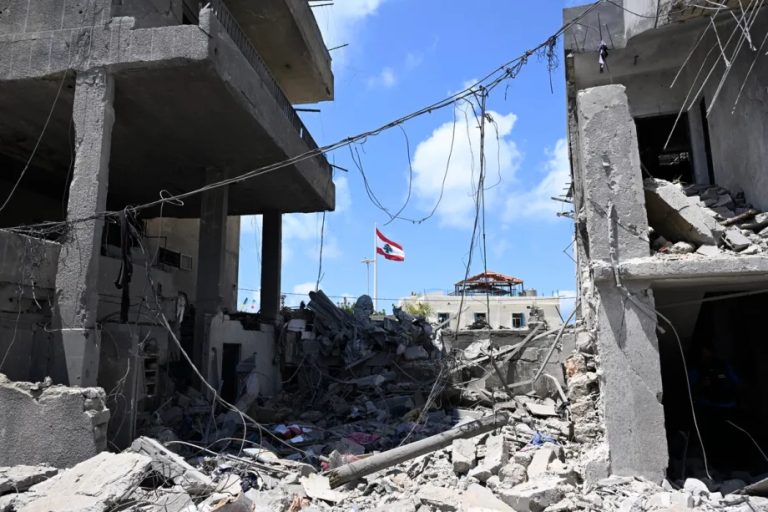
A view of a destroyed building in Lebanon with a national flag flying in the background.

Lebanon’s Endless War Loop Is a Failure of Strategic Imagination

This analysis explores the historical failure of military-only solutions in the Lebanon conflict, tracing the pattern of violence from 1978 to the present day. Despite massive increases in operational scale—culminating in the devastating impact of the 2026 campaign, which has displaced nearly one-fifth of the Lebanese population—the strategic goal of eliminating Hezbollah remains elusive. By examining the persistent cycle of destruction and rebuilding, we argue that current military operations are trapped in a “strategic time loop.” We assess the widening disconnect between Washington-led ceasefire negotiations and the reality on the ground, questioning whether any military alternative can succeed where fifty years of history has definitively proven failure.

Read More »
Families and civilians riding motorbikes and driving cars in heavy street traffic.

Israel’s Lebanon Offensive Is Killing the US-Iran Peace Deal

This analysis examines the current collapse of diplomatic efforts between Washington and Tehran as of June 2, 2026. Following Israel’s intensified military operations in Lebanon—which Iran views as a breach of the ceasefire—Tehran has suspended indirect communications. We explore the implications of this breakdown for the Strait of Hormuz, the status of the proposed memorandum of understanding, and the escalating risks of a return to full-scale regional conflict.

Read More »
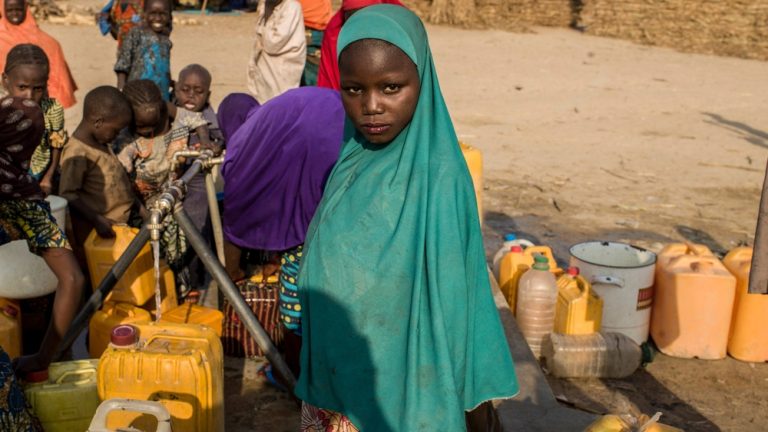
A young girl wearing a hijab standing near a water tap surrounded by yellow water containers in a humanitarian setting.

Children Pay Highest Price in Trump’s Wars

This article examines the alarming escalation of civilian casualties resulting from recent US military operations across Africa, the Middle East, and beyond. By analyzing incidents in Somalia, Yemen, and elsewhere, we explore the devastating impact on children, the erosion of accountability, and the long-term geopolitical consequences of unchecked remote warfare.

Read More »
Israeli Prime Minister Benjamin Netanyahu speaking at a podium with an Israeli flag in the background.

The Three Crises Netanyahu Leaves Behind

This analysis explores the three fundamental crises defining the end of Benjamin Netanyahu’s premiership as Israel heads toward potential early elections. Following the preliminary Knesset vote to dissolve itself on May 20, 2026, the report examines the long-term impact of Israel’s deepening international criminal exposure, the evolution of settler outposts into a quasi-paramilitary security apparatus in the West Bank, and the profound legal and ethical implications of the newly established military tribunal for October 7 suspects. By framing these issues as “fixed terrain,” the article argues that these structural legacies will constrain and challenge any successor government, regardless of the election outcome.

Read More »
Sumud Flotilla boats docking at a pier.

Sumud Flotilla Tests Limits of Gaza Blockade

This report examines the escalating confrontation between civilian aid missions and the Gaza blockade, highlighted by the recent interception of the Global Sumud Flotilla. By analyzing the intersection of maritime law, humanitarian necessity, and international diplomatic response, the article explores how these high-seas encounters are reshaping global discourse on accountability and the ethics of enforcing territorial restrictions amidst a deepening humanitarian crisis.

Read More »
Naftali Bennett and Yair Lapid standing together at a podium with Israeli flags.

Israel’s Election Will Exclude Millions It Governs

This analysis examines the democratic paradox inherent in Israel’s upcoming elections, where political representation remains systematically inaccessible to millions of Palestinians living under military rule. Drawing on recent findings from the ICJ and UN human rights bodies, we explore how current annexationist policies and the exclusionary nature of the electoral process further entrench a dual-regime system, challenging the foundations of political legitimacy in the region.

Read More »
A man in traditional Emirati attire and glasses speaking behind a white podium featuring the United Arab Emirates Ministry of Foreign Affairs emblem.

UAE’s Legal Rhetoric Faces a Credibility Test

This analysis examines the growing contradiction between the United Arab Emirates’ diplomatic rhetoric championing international law and its controversial regional foreign policy. By evaluating Emirati involvement in Yemen, Sudan, and the Gaza conflict, the article highlights the credibility test Abu Dhabi faces in balancing strategic interests with global accountability.

Read More »
A person holding a smartphone showing a controversial image of a soldier near a religious statue.

The Jesus Statue, Christian Lebanon, and the Pattern Behind the Image

A viral photograph of an Israeli soldier desecrating a Jesus statue in the Lebanese village of Debel has sparked international condemnation and internal military discipline. While the IDF characterizes the act as an isolated incident, critics point to a broader, systematic destruction of Christian, Muslim, and ancient cultural sites across Lebanon and Gaza.

Read More »
A large mural on the side of a Chernobyl Power Plant building depicting a hand holding an atom, with wild horses running in a green field.

Chernobyl at 40: The Unthinkable Has Become Routine

Forty years after the world’s worst nuclear disaster, the anniversary of Chernobyl is being marked by active bombardment and a deepening global safety crisis. With the New Safe Confinement damaged by drone strikes and Iran’s Bushehr facility reportedly hit multiple times, the routine targeting of nuclear infrastructure has exposed a fatal gap in international governance. This report examines the “double standards” of nuclear protection and the paralysis of the IAEA in an age where radioactive sites have become geopolitical pawns.

Read More »
Children waving yellow Hezbollah flags from a car sunroof in front of destroyed buildings.

Lebanon–Israel Talks: Historic Step, Uncertain Road

In a landmark diplomatic breakthrough hosted in Washington, Israeli and Lebanese officials engaged in their first direct negotiations in over 40 years. While a fragile 10-day cessation of hostilities has been established, the roadmap to a permanent peace faces significant hurdles, including the structural challenge of disarming Hezbollah and asserting Lebanese state sovereignty amid ongoing regional tensions.

Read More »
Thick smoke billowing from an industrial oil refinery facility after an attack or explosion.

Calling Iran “Animals” Didn’t Win the War, It Helped Lose It

The recent conflict highlights how dehumanizing rhetoric and strategic contempt toward Iran resulted in significant military and intelligence failures. By dismissing the adversary’s scientific capacity and strategic depth, policymakers built a strategy on fiction, ultimately leading to a costly stalemate that failed to achieve its primary geopolitical objectives.

Read More »