Tag: War Crimes

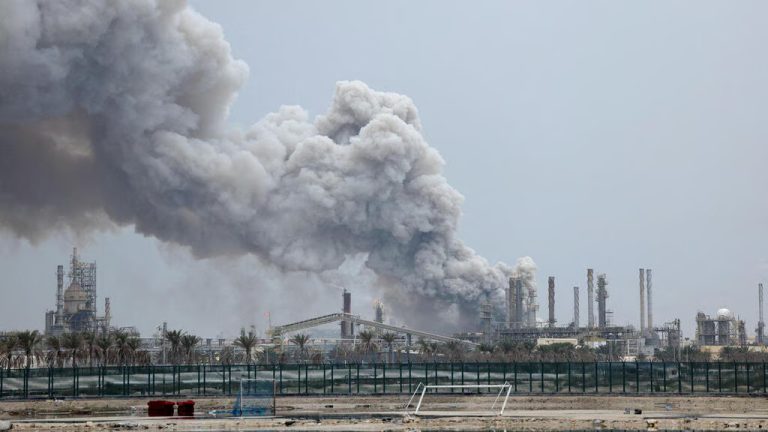
Thick smoke billowing from an industrial oil refinery facility after an attack or explosion.

Calling Iran “Animals” Didn’t Win the War, It Helped Lose It

The recent conflict highlights how dehumanizing rhetoric and strategic contempt toward Iran resulted in significant military and intelligence failures. By dismissing the adversary’s scientific capacity and strategic depth, policymakers built a strategy on fiction, ultimately leading to a costly stalemate that failed to achieve its primary geopolitical objectives.

Read More »
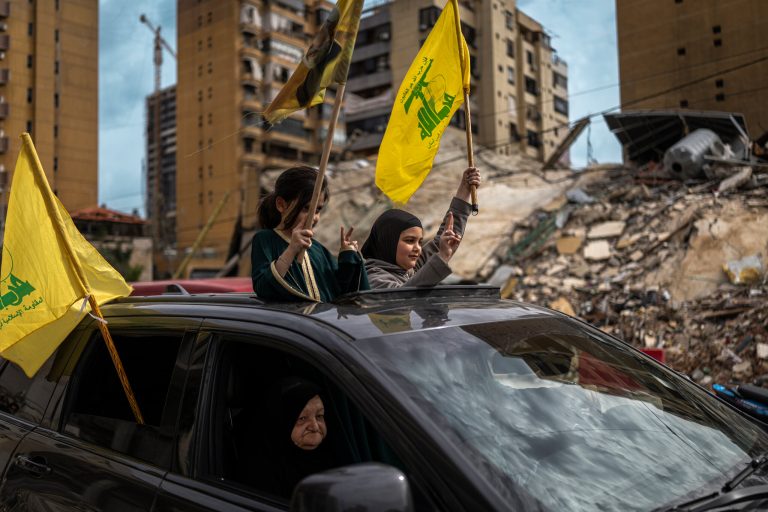
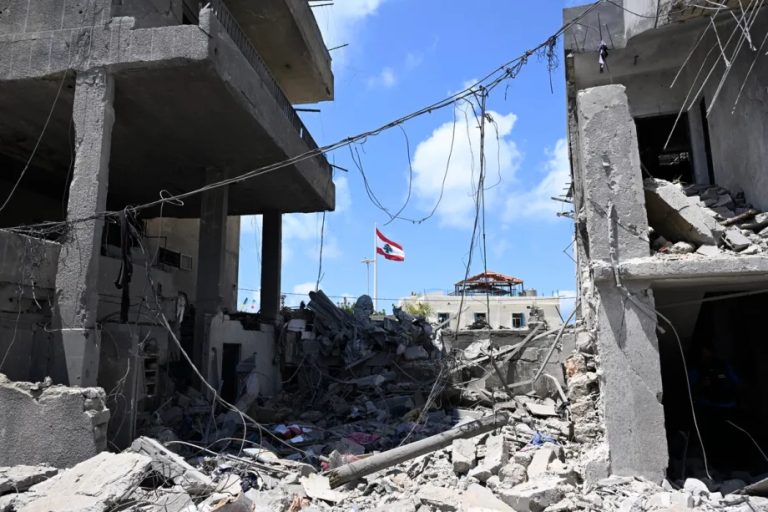
A street in Lebanon showing the aftermath of a military strike with smoke rising from damaged buildings and emergency responders on site.

Netanyahu’s Lebanon Gamble Is Threatening the Entire Ceasefire

The fragile US-Iran ceasefire faces an immediate collapse following Israel’s massive air campaign in Lebanon. While President Trump has urged Netanyahu to be “low-key” to save the Iran talks, the fundamental clash remains: Israel demands Hezbollah’s disarmament without a ceasefire, while Lebanon and Tehran insist on a total halt to hostilities as a precondition for any direct negotiations.

Read More »
A composite collage featuring Donald Trump, Benjamin Netanyahu, a fighter jet, missiles, and the UN Security Council chamber over a map of Iran.

The UN Security Council Blamed the Wrong Country in the Iran War

UN Security Council Resolution 2817 has come under fire for bias, condemning Iranian strikes while ignoring the Gulf states’ role in hosting the initial U.S. and Israeli attacks. Critics argue this selective enforcement of “territorial integrity” and the failure to apply proportionality standards to civilian casualties has severely eroded the legal credibility of the UN charter.

Read More »
A caricature of Benjamin Netanyahu pulling the beak of a large American bald eagle.

Netanyahu Got His War With Iran. Israel May Pay for It for Decades.

Benjamin Netanyahu’s long-sought military confrontation with Iran risks Israel’s long-term security by eroding its most vital asset: bipartisan U.S. support. As American public sympathy shifts and anti-interventionist sentiment grows, Israel faces the prospect of strategic isolation and a pattern of hollow military victories that fail to deliver lasting stability.

Read More »
A daytime cityscape view under a hazy sky, showing a large plume of grey and white smoke rising from a building complex in the distance. Several telecommunication towers and a construction crane are visible among the city buildings.

Trump’s Power Plant Threat Pulls the Hormuz Crisis to a New Edge

President Trump has issued a 48-hour ultimatum, threatening to strike Iran’s power plants unless the Strait of Hormuz is reopened. This escalation follows a massive spike in global energy prices and retaliatory threats from Tehran to destroy regional infrastructure, leaving little room for diplomatic off-ramps as the deadline approaches.

Read More »
A man in a blue suit and striped tie pointing his finger forward while standing at a podium with "The Pentagon" logo.

Hegseth’s ‘Kill Talk’ Rewrites How America Speaks About War

In early 2026, the transition from the “Department of Defense” back to the “Department of War” has signaled more than just a name change; it represents a fundamental pivot in how the United States communicates the use of lethal force. Secretary of War Pete Hegseth has replaced the clinical, bureaucratic language of the past with a “Kill Talk” rhetoric that prioritizes dominance over diplomacy.

Read More »
Senator Richard Blumenthal speaking during a press conference about classified briefings.

Boots on the Ground? Secret Briefing Rattles Washington

A classified Senate briefing ignited fears of U.S. ground troops in Iran after officials failed to define objectives or an exit strategy. Congress has already rejected efforts to curb war powers, diplomacy was mishandled, and intelligence suggests Russia is aiding Tehran — raising the stakes of any escalation on Iranian soil.

Read More »
A high-angle aerial view of a large burial site showing numerous rows of open rectangular graves in the earth that belongs to 180 girl students were killed in minab school by us missiles.

The US Gutted Its Civilian Protection Program Then Went to War

The Minab school strike, which killed more than 165 people, exposes how the U.S. dismantled its civilian‑protection system before launching the Iran war. The CHMR program was gutted, legal safeguards removed, and oversight hollowed out — leaving no‑strike mapping undone and accountability weakened. Civilian casualties are rising, and the strategic costs are compounding.

Read More »
Protester holding a large Venezuelan flag in front of military armored vehicles on a city street.

The Maduro Capture and Trump’s Disposable International Law

Trump’s seizure of Nicolás Maduro was framed as a “judicial extraction,” but legal scholars say it violated the UN Charter’s ban on force and exposed the limits of international law. By stripping Maduro’s immunity and bypassing the ICJ, Washington set a precedent major powers can exploit — with implications far beyond Venezuela.

Read More »