Tag: Taiwan

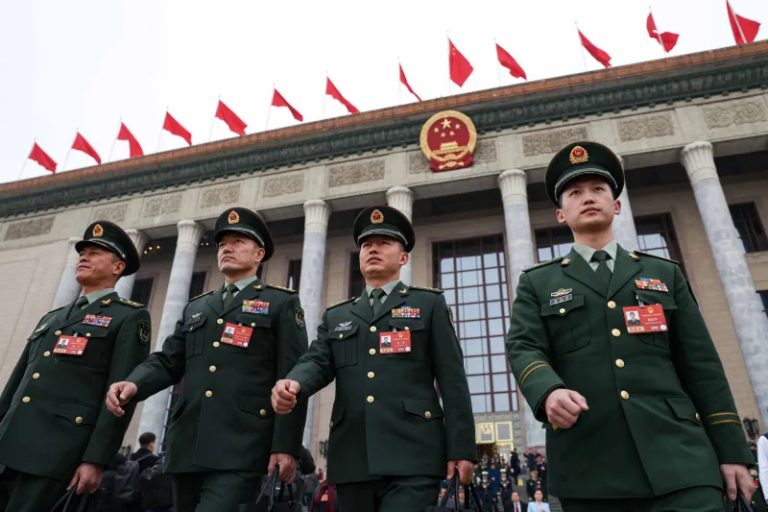
Chinese military officers in green uniforms walking in front of the Great Hall of the People in Beijing.

Beijing’s Patient Strategy on Taiwan

Beijing pursues unification through patience, leveraging power trends, Taiwan’s divisions, and gray‑zone pressure while avoiding a costly war. Its long game aims to make political convergence seem inevitable without triggering catastrophic conflict.

Read More »
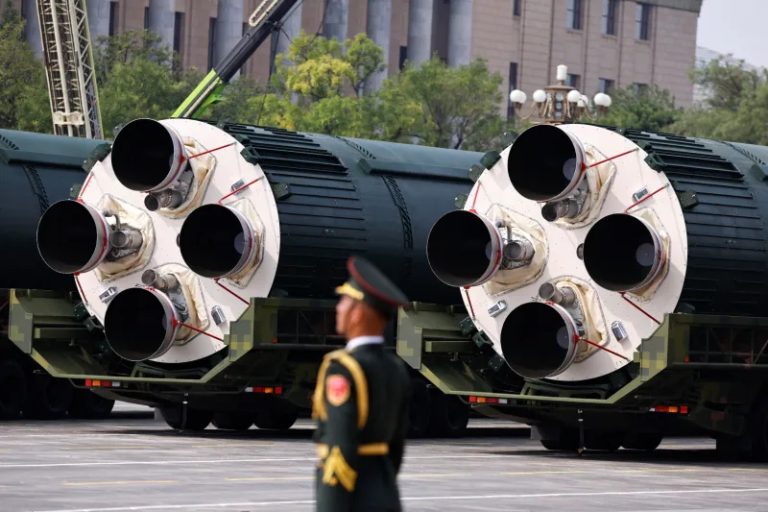
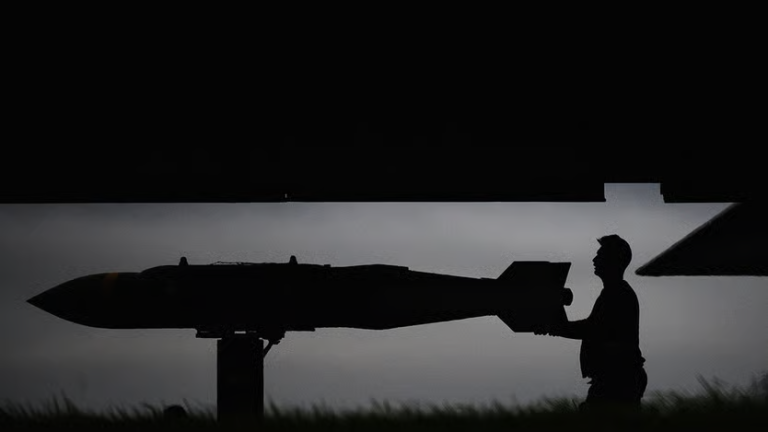
Large Chinese ballistic missile canisters on transport vehicles during a military parade with a soldier in the foreground.

US-China Nuclear Rivalry Edges Closer to the Brink

China’s rapid nuclear buildup, projected to exceed 1,000 warheads by 2030, is fundamentally reshaping global strategic stability. Driven by fears of US intervention, Beijing’s expansion has accelerated American modernization and deepened regional tensions. Breaking this cycle requires pragmatic, small-scale transparency measures and concrete discussions on restraint during upcoming high-level summits.

Read More »
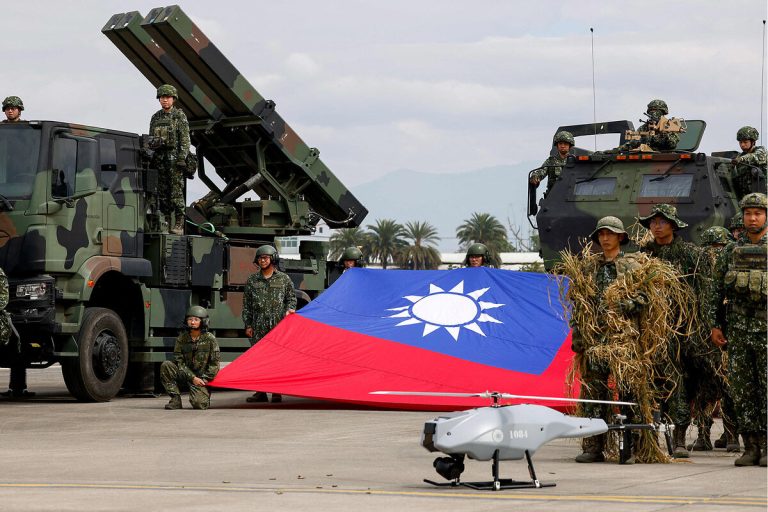
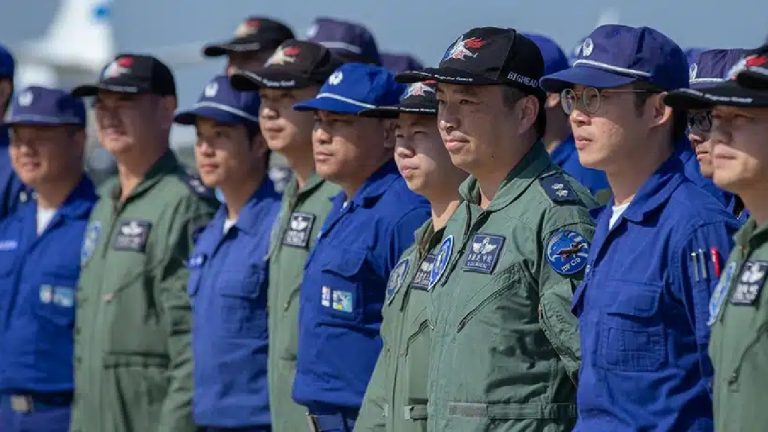
A group of military personnel in blue and green flight suits standing in formation.

Ukraine’s Defense Innovations Present Critical Lessons for Taiwan’s Security Strategy

In January 2026, the security of Taiwan is being redefined by “battlefield truths” exported from Ukraine. As Taipei faces intensifying pressure from Beijing—most recently via the “Justice Mission 2025” drills—it has fundamentally pivoted its defense strategy toward asymmetric “porcupine” warfare, prioritizing millions of low-cost drones over traditional “big toy” platforms like submarines and fighter jets.

Read More »
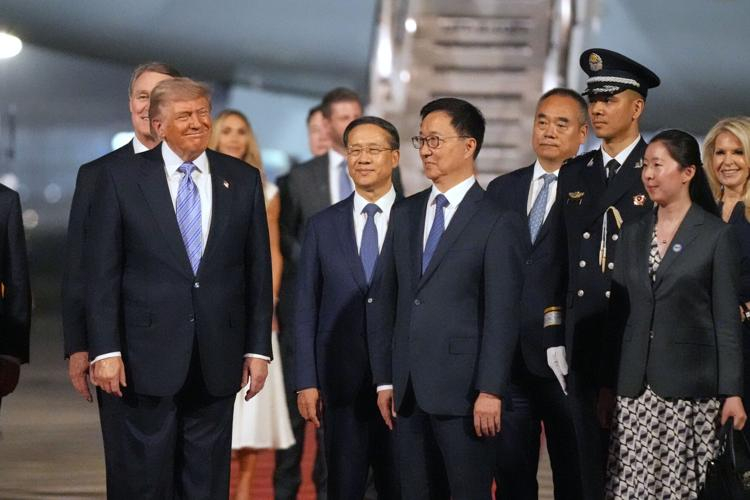
Donald Trump seated at a formal table, looking serious, with American flags visible in the background

Trump’s 2025 Strategy: The End of American Primacy and the Rise of Transactional Realism in Asia

The Trump administration’s 2025 National Security Strategy signifies a significant break from the post-World War II international order by rejecting the aim of “permanent American domination” and shifting towards a focus on reindustrialization and “America First” policies, moving the U.S. from upholding norms to aggressive commercial competition in the Indo-Pacific.

Read More »