Tag: Taiwan

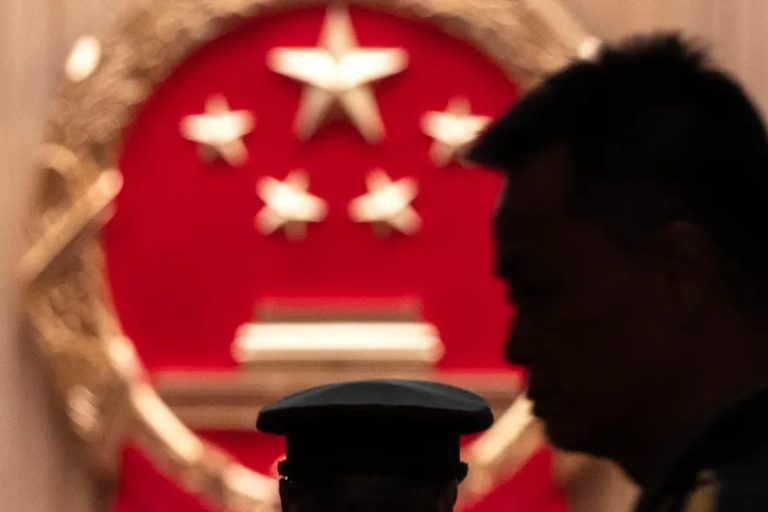
Silhouette of a Chinese military officer in front of the official emblem of the People's Republic of China.

Xi’s Harshest Military Sentences Set the Stage for Bigger Purges

This analysis examines the escalation of Xi Jinping’s military purge, marked by unprecedented sentencing for former defense ministers. We explore how evolving political rhetoric—shifting from corruption charges to accusations of “disloyalty”—has systematically dismantled the PLA’s operational leadership. The article evaluates the resulting degradation in military readiness, the risks of intelligence-stifling feedback loops, and the broader implications for Xi’s vision of absolute institutional control.

Read More »
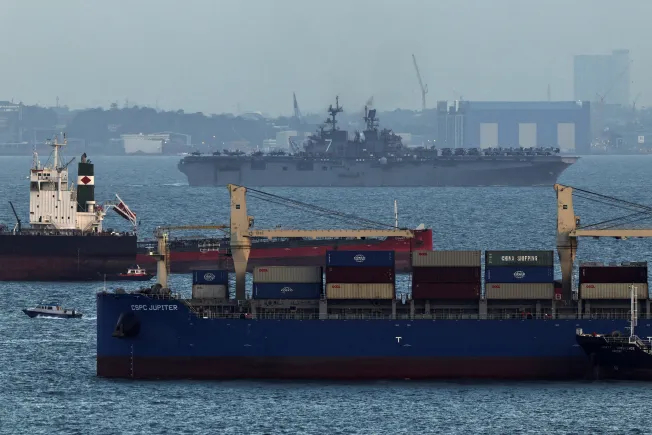
A U.S. Navy warship sailing past commercial cargo container ships in a maritime chokepoint.

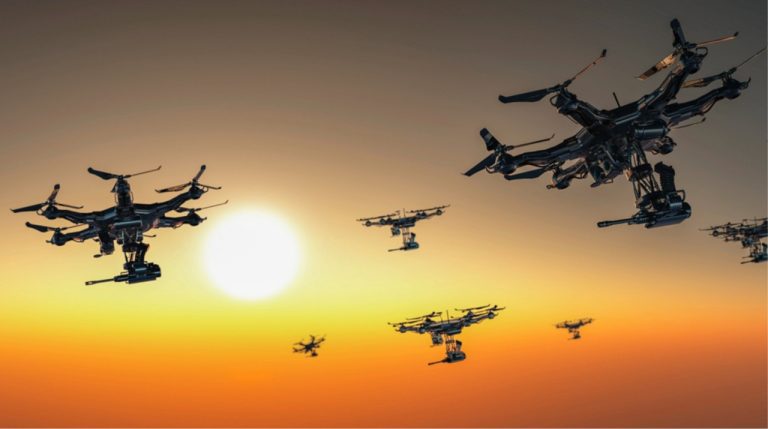
Hormuz Proved Chokepoints Can Be Weaponized. Asia Is Next.

This analysis explores the systemic vulnerability of global maritime chokepoints, highlighted by the recent closure of the Strait of Hormuz. We examine how drone technology and insurance market manipulation create catastrophic economic risks, with specific focus on Asia’s critical passages. The piece evaluates the geopolitical implications for China, the United States, and the intensifying competition over secondary trade corridors.

Read More »
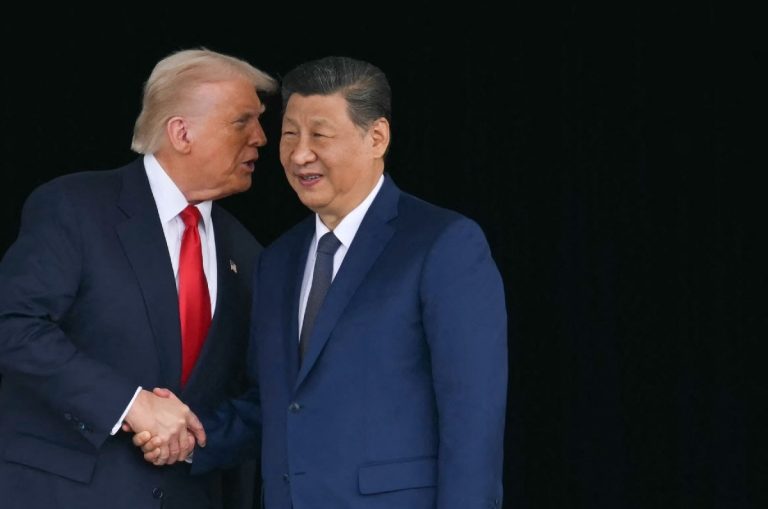
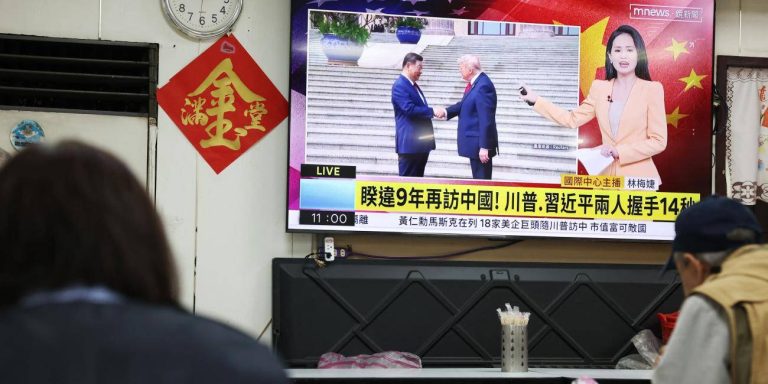
TV news broadcast showing Donald Trump and Xi Jinping shaking hands.

Indo-Pacific Allies Rethink Security After Trump’s Taiwan Gamble

This analysis explores the growing crisis of confidence among U.S. Indo-Pacific allies following recent shifts in Washington’s Taiwan policy. As traditional deterrence mechanisms face strain, key partners like Japan and South Korea are accelerating defense transformations and reconsidering long-standing nuclear restraint policies, signaling a profound shift in regional security architecture.

Read More »
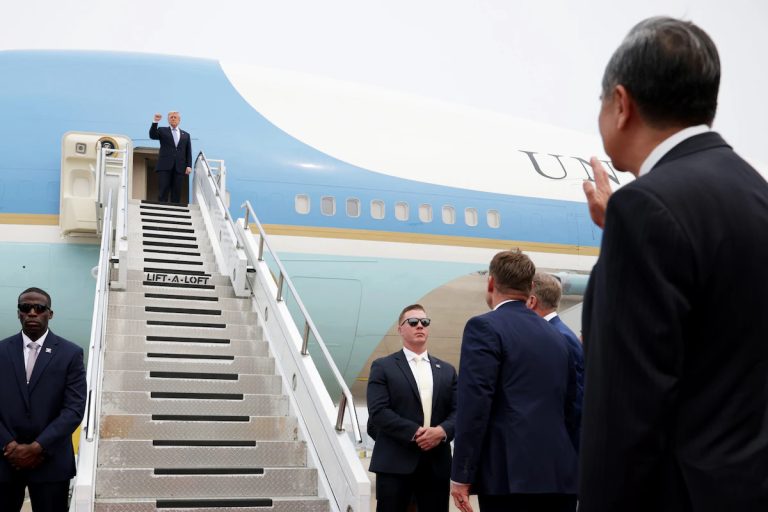
US President Donald Trump waving from the doorway of Air Force One while officials on the tarmac watch.

Why Delaying Taiwan’s Arms Sales Weakens Deterrence

This article criticizes the decision to hold Taiwan’s $14 billion arms package in abeyance as trade leverage with Beijing. Despite Taipei passing a crucial $25 billion defense budget, treating approved defensive hardware as a negotiating token weakens cross-Strait deterrence and risks inviting severe strategic miscalculation from a modernizing Chinese military.

Read More »
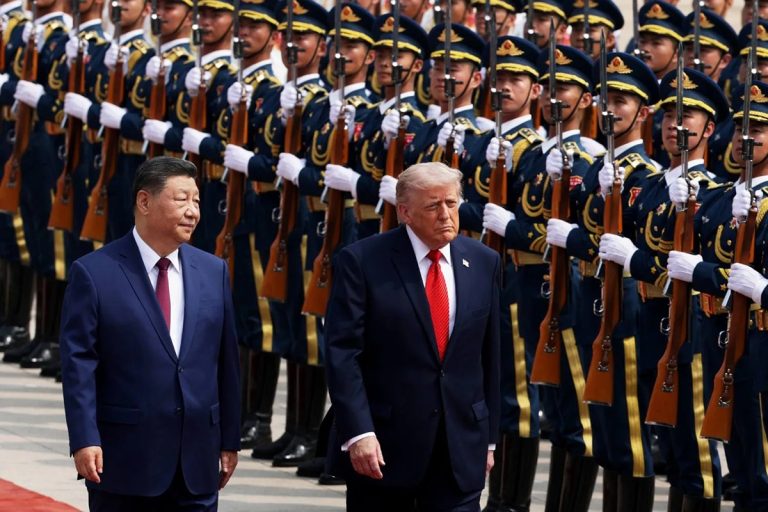
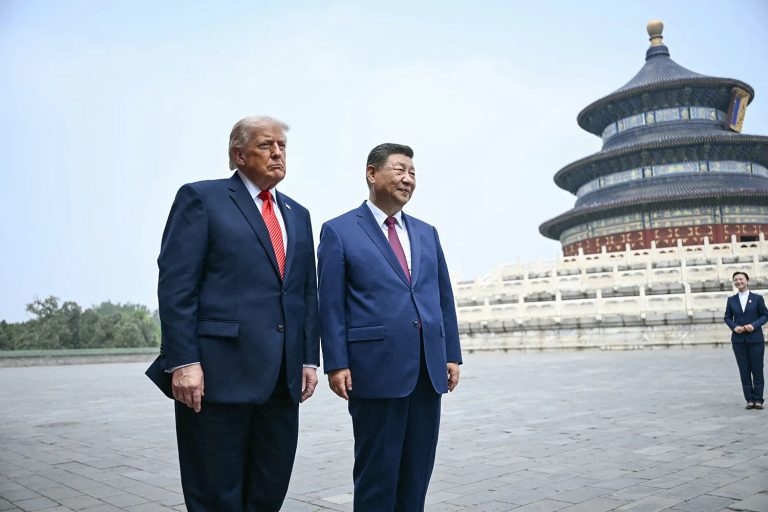
Donald Trump and Chinese President Xi Jinping standing side by side in a large stone courtyard with the Temple of Heaven in Beijing visible in the background.

Trump’s China Visit Shows Beijing’s Strategic Confidence

This analysis evaluates Donald Trump’s high-profile visit to Beijing, highlighting the contrast between American economic objectives and China’s push for strategic equality. While yielding commercial agreements on agriculture and aircraft, the summit left core geopolitical friction points—including Taiwan, Iran, and technology supply chains—unresolved, signaling a temporary pause rather than a settlement.

Read More »
Donald Trump walking alongside international diplomats and officials on a tarmac at night, surrounded by security and government personnel.

Taiwan’s Strategic Bet After Trump’s China Visit

This analysis examines the strategic dilemma facing Taipei following Donald Trump’s recent Beijing summit with Xi Jinping. Trump’s remarks outlining boundaries on U.S. support highlight the transactional nature of Washington’s deterrence policy, underscoring Taiwan’s need to maintain a disciplined defense strategy without triggering a cross-Strait conflict.

Read More »
Aerial view of a US Navy carrier strike group moving across the blue ocean.

US Munitions Crisis Threatens China Deterrence

Recent combat operations in the Middle East have significantly depleted American munitions reserves, raising alarms about U.S. readiness to deter China. As Beijing maintains a massive lead in industrial production, the Pentagon is prioritizing the “Hellscape” strategy—using swarms of unmanned systems to defend the Taiwan Strait—while struggling to address a multibillion-dollar backlog in conventional arms deliveries to Taipei.

Read More »
The Chinese national flag waving in the wind with a modern skyscraper in the background.

Trump-Xi Summit Puts Economics Before Escalation

The Trump-Xi summit marks a shift toward “business statecraft,” where economic interdependence serves as a deterrent against military escalation. Accompanied by top U.S. tech and finance leaders, President Trump is prioritizing agricultural and energy deals, signaling that both superpowers currently view market stability as more vital than ideological or territorial confrontation.

Read More »
Illustration of US and China hands engaged in a tug-of-war with a rope over a globe.

China Secures Lasting Leverage Over US Policy

The upcoming Trump-Xi summit arrives as China secures lasting leverage over U.S. policy through its control of critical mineral supply chains. Following the 2025 trade confrontation, Washington has increasingly traded strategic technology safeguards for economic stability, a shift that risks marginalizing regional allies and altering the long-term balance of power in the Indo-Pacific.

Read More »
Taiwanese soldiers in camouflage standing with a large national flag next to military missile launchers and a drone.

Trump-Xi Summit Tests Taiwan’s Trust in US Support

President Trump’s Beijing summit has intensified anxieties in Taiwan regarding the stability of American security commitments. Despite a record $11 billion arms authorization, delivery delays and transactional demands for semiconductor investments have significantly eroded Taiwanese public confidence. As Xi Jinping prioritizes Taiwan in talks, the region remains wary of shifts in Washington’s long-standing strategic ambiguity.

Read More »
Two gold interlocking gears featuring the national flags of China and the United States.

Small Steps Define Trump’s Beijing Visit

President Trump’s visit to Beijing, the first by a U.S. leader in a decade, seeks a tactical stabilization of ties with China. Amid the ongoing Iran conflict and trade frictions, both nations are prioritizing “managed competition” over a full reset, focusing on supply chain resilience, AI safety, and restoring human connections.

Read More »