Tag: Sanctions

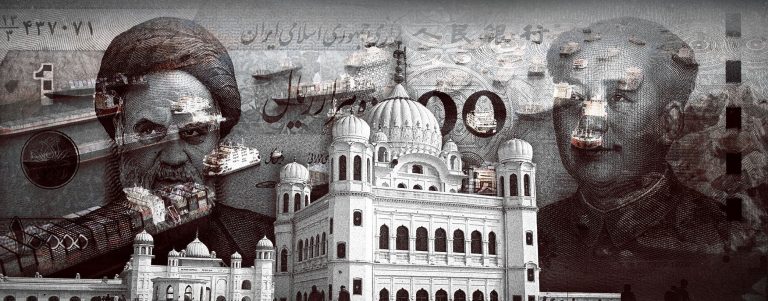
A conceptual collage featuring Iranian and Chinese currency, portraits of leaders, and architectural landmarks.

Pakistan Iran Corridor Reveals US Strategic Weaknesses

The activation of six dedicated land corridors between Pakistan and Iran marks a strategic shift in regional logistics. By rerouting cargo from Karachi and Gwadar directly to the Iranian border, Islamabad is providing a critical workaround to the Strait of Hormuz closure, potentially reviving stalled energy projects and deepening Belt and Road connectivity.

Read More »
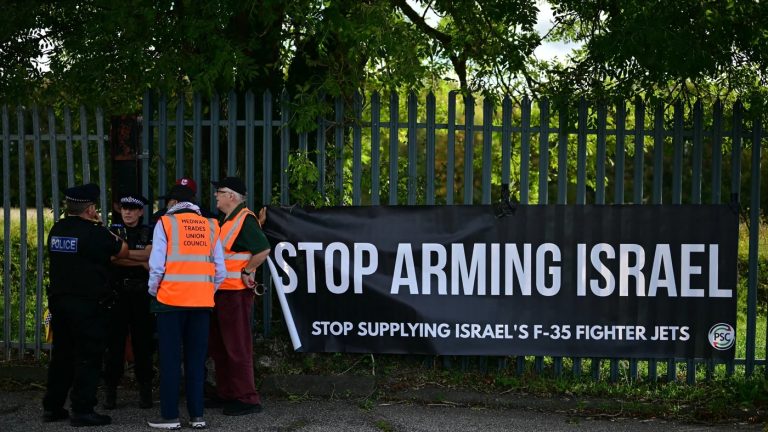
Protesters holding a large black banner that reads "STOP ARMING ISRAEL" near a metal fence with police officers nearby.

Israel’s War Economy Faces Global Isolation Test

Israel’s economy is navigating a critical turning point as defense spending nears 8% of GDP. Facing a rising fiscal deficit and cooling foreign investment, the nation is testing whether its specialized security exports can offset growing diplomatic isolation and mounting pressure from traditional Western allies to reconsider trade and military aid.

Read More »
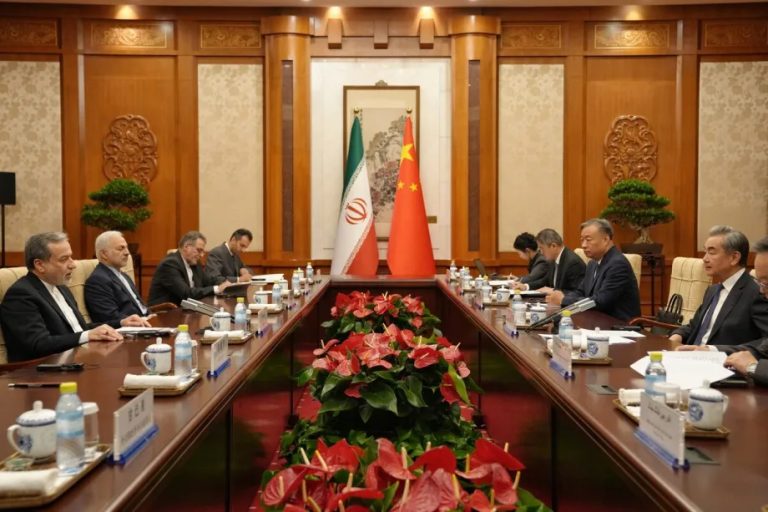
Official diplomatic meeting between Iranian and Chinese delegations seated at a long conference table with national flags.

China’s Legal Pushback on US Iranian Oil Sanctions

On May 2, 2026, China’s Ministry of Commerce issued a landmark directive blocking compliance with U.S. sanctions targeting refineries processing Iranian crude. By formalizing legal resistance and expanding RMB-based payments, Beijing is institutionalizing its defense against financial coercion, directly challenging the extraterritorial reach of Washington’s energy-related penalties.

Read More »
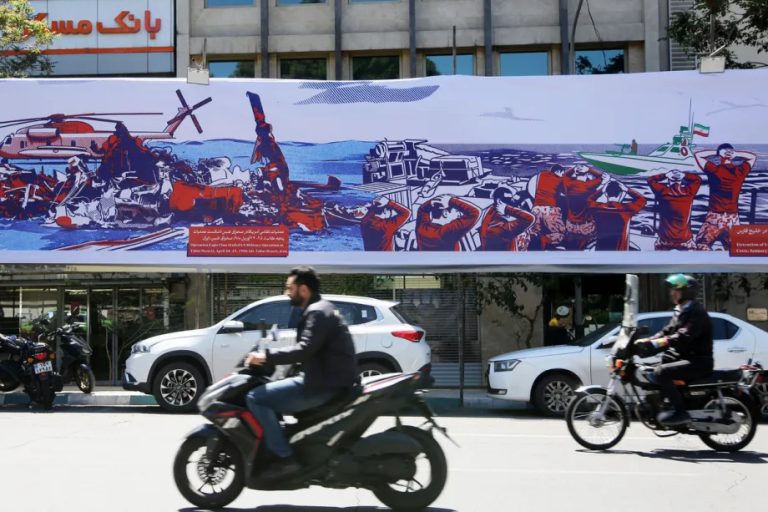
A large street billboard in Iran depicting military failures and naval captures.

Why the Iran Collapse Strategy Keeps Backfiring

Washington’s reliance on a “breakdown” strategy in Iran is being tested by Tehran’s ability to endure sustained military and economic pressure. Instead of a swift collapse, current cycles of attrition have fueled global oil price spikes, reaching $4.50 per gallon in the U.S., while strengthening Iran’s informal trade networks and regional alliances.

Read More »
Aerial view of a massive cargo ship loaded with colorful containers at sea.

China’s Shipping Shield Blunts American Sanctions

Beijing is effectively countering American economic pressure by weaponizing its maritime dominance. With over half of global shipbuilding output and strategic investments in 168 ports worldwide, China has built a “shipping shield” that secures its energy imports and trade routes, rendering traditional financial sanctions increasingly ineffective in the lead-up to high-level diplomatic talks.

Read More »
Three humanoid robot faces with expressive eyes on a large display.

China’s Affordable AI Reshapes Emerging Markets

A shift in global AI adoption is unfolding as developing nations embrace Chinese open-source models for their affordability and customization. From Africa to Southeast Asia, these systems are becoming the practical default, allowing countries to build sovereign AI programs that reflect local languages and priorities while bypassing the high costs of American counterparts.

Read More »
Person carrying a cardboard sign that reads "Stop Trump's War" at a protest.

Trump’s Iran Deadline Tests War Powers Limits

The expiration of the War Powers Resolution’s 60-day window has triggered a high-stakes legal battle between the White House and Congress. As the Trump administration cites a fragile ceasefire to justify continued deployments, lawmakers are weighing the necessity of formal authorization against the risks of open-ended regional conflict and diminished legislative oversight.

Read More »
Digital collage depicting military tension between the United States and Iran flags.

Superpowers Learn Restraint From US-Iran War

Recent military confrontations between the U.S. and Iran have led global strategists to reevaluate the costs of overcommitment. As defense spending competes with domestic needs and media coverage amplifies setbacks, major powers are shifting toward more selective engagement, prioritizing internal stability and core interests over prolonged, distant interventions.

Read More »

Why Military Pressure Fails in the Strait of Hormuz

Rising tensions in the Strait of Hormuz have disrupted shipping and pushed energy prices higher worldwide. Analysts argue military pressure alone cannot remove Iran’s leverage in the narrow waterway. Restoring safe passage may depend more on diplomacy than escalation, as global markets face growing uncertainty.

Read More »

Iran’s Hardliner Rift Tests US Diplomacy

Iran’s political landscape is facing a significant test as internal friction between ultra-hardliners and pragmatists complicates indirect diplomatic efforts with the U.S. While economic pressure and new leadership push Tehran toward measured engagement, ideological spoilers remain a challenge, highlighting a calculated struggle over the regime’s survival and future stability.

Read More »
Split screen showing Vladimir Putin and Donald Trump both speaking on landline telephones.

Putin-Trump Talks Chart Path Beyond Ukraine Stalemate

Recent high-level discussions between President Trump and Vladimir Putin suggest a pivot beyond the Ukraine stalemate. Building on the 2025 Anchorage Summit, the leaders are exploring limited cooperation on Iranian enrichment and energy markets. This evolving dialogue signals a shift toward pragmatism, as both capitals navigate a complex multipolar landscape.

Read More »
Ursula von der Leyen and Isaac Herzog walking together at the European Commission building in Brussels.

Europe’s Israel Policy Faces Public Reckoning

European nations are facing a significant public reckoning regarding their Israel policies. As favorable views reach single digits in several countries, a massive citizens’ petition has forced EU leaders to debate the suspension of the Israel Association Agreement, exposing a deepening divide between government diplomacy and public sentiment.

Read More »