Tag: Sanctions

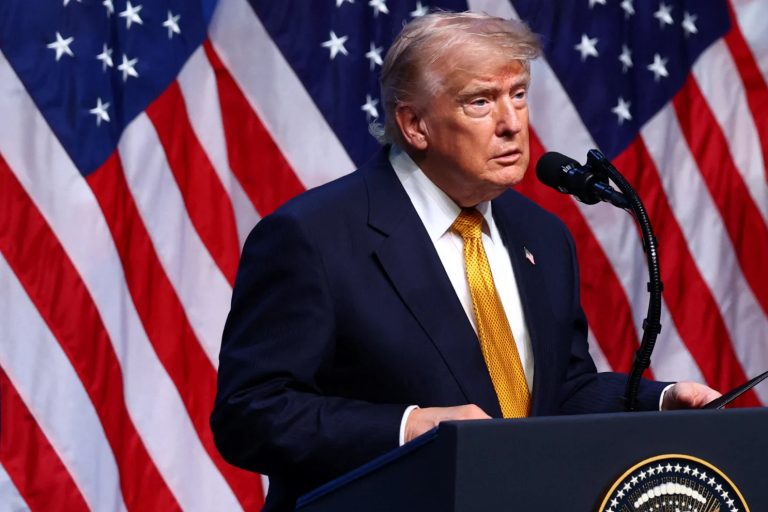
Donald Trump speaking at a podium with the U.S. Presidential Seal.

Is Trump Trading Western Security for a Nobel Peace Prize?

This analysis investigates the critical intersection of diplomatic urgency and electoral politics. We examine whether the current U.S.-Iran ceasefire framework is being shaped by long-term security assessments or a push for a Nobel Peace Prize ahead of the 2026 midterms, and the potential costs this “diplomatic gamble” imposes on regional stability and alliance credibility.

Read More »
Israeli Prime Minister Benjamin Netanyahu sitting in front of Israeli and American flags.

Netanyahu Turns to Fox News and Friendly Senators to Derail the Iran Deal

In the wake of the Islamabad Memorandum, Benjamin Netanyahu is actively maneuvering to derail the U.S.-Iran ceasefire framework. This analysis examines the mounting friction between Washington and Jerusalem, the exploitation of American media channels by Israeli leadership, and the high-stakes political gamble that could define the next two months of regional diplomacy.

Read More »
A large cargo ship featuring the Chinese flag sailing on the open sea.

China Wins the Iran War Without Fighting It

This analysis explores how China leveraged years of patient diplomacy and infrastructure investment to emerge as the primary strategic winner of the Iran conflict. By maintaining neutrality and deep commercial ties across the Gulf, Beijing has secured its energy future while avoiding the costs of military engagement, effectively redefining regional influence.

Read More »
Donald Trump smiling while holding a gold medal around his neck.

Trump’s 80th Birthday Gift: A Peace Deal He Can Brand as Victory

This analysis scrutinizes the Trump administration’s rush to secure a peace memorandum with Iran in time for the president’s 80th birthday and the upcoming G7 summit. Despite the theatrical escalation of the preceding week, the emerging agreement functions as a fragile “managed pause” rather than a strategic resolution. By prioritizing political optics over the complex technical realities of Iran’s nuclear infrastructure and the enduring economic fallout from the Strait of Hormuz crisis, the administration is effectively deferring critical security challenges. The piece concludes that while the deal may prevent immediate further conflict, it leaves the underlying tensions of the war structurally intact and fundamentally unresolved.

Read More »
Donald Trump wearing a "USA" cap sitting at a table during a strategic briefing with advisors.

The Strategic Failure of Trump’s High-Stakes War with Iran

This article evaluates the strategic failure of the Trump administration’s Operation Epic Fury against Iran. Initially conceived as a precision strike to catalyze regime collapse, the campaign has instead solidified radical domestic power, triggered asymmetric regional responses, and destabilized global energy markets. By prioritizing tactical action over political reality and destroying diplomatic pathways, the intervention has significantly weakened American deterrence, alienated international allies, and inadvertently accelerated a shift toward a multipolar global order.

Read More »
A missile launching into the night sky, representing regional defense systems.

Bombs Alone Won’t Close the Iran Deal — Economic Statecraft Must

This article argues that the ongoing conflict and nuclear stalemate between the United States and Iran cannot be resolved through military coercion alone. By analyzing historical precedents like the 2015 JCPOA and the Libya model, we explore how a sophisticated framework of graduated sanctions relief and structured post-war investment—rather than just punitive measures—can create the necessary economic logic to encourage lasting Iranian compliance and regional stability.

Read More »
Xi Jinping and Kim Jong Un walking on a red carpet at an airfield with an honor guard and a large airplane in the background.

What Xi and Kim Really Want From Each Other

This analysis explores the strategic motivations behind Xi Jinping’s recent state visit to North Korea, examining the complex triangular relationship between Beijing, Pyongyang, and Moscow. As North Korea deepens its military ties with Russia, we discuss how China is navigating the erosion of its traditional diplomatic framework, the pursuit of regional stability, and the ongoing challenge of maintaining economic and political influence over a regime now emboldened by its own nuclear status.

Read More »
A large urban billboard in Iran displaying political imagery and flags with the Persian text "Breaking Point" at the Strait of Hormuz.

The Scheldt Blockade and What It Tells Us About Hormuz

This article draws a precise historical parallel between the 16th-century Dutch blockade of the Scheldt and the ongoing crisis in the Strait of Hormuz. By analyzing the strategic implications of Iran’s new transit toll system, we explore how tactical military achievements may mask a broader, long-term shift in regional power. We examine why the normalization of this “toll booth” architecture challenges the credibility of international security guarantees and fundamentally alters global energy logistics.

Read More »
Row of European Union flags flying in front of the modern European Commission headquarters building.

 Europe Is Pursuing Strategic Autonomy — But Not Without America Yet

This analysis examines the strategic consequences of Operation Epic Fury, drawing a parallel between Iran’s current control of the Strait of Hormuz and the 16th-century Dutch blockade of the Scheldt. By exploring the limitations of tactical military success against structural economic shifts, this piece assesses the long-term impact on global energy security and the credibility of American regional guarantees. It highlights how the normalization of this new architecture challenges traditional sanctions frameworks and alters international diplomatic leverage.

Read More »
A group of people in industrial gear and hard hats attending a briefing in Venezuela.

Where Did Venezuela’s Oil Money Go? Washington Won’t Say

This analysis investigates the opaque financial architecture managing Venezuela’s oil exports following the US intervention in early 2026. Despite billions in revenue and renewed trade partnerships, key questions remain regarding fund transparency and the lack of progress toward democratic reforms. The post explores how the current arrangement maintains the previous governing apparatus, highlights the role of international commodity traders, and underscores the growing congressional demand for an audit to ensure accountability in the administration’s handling of Venezuelan resources.

Read More »
A black and white portrait of Donald Trump smiling among a crowd.

Trump’s Iran Ceasefire Is Bleeding American Credibility Dry

This analysis critiques the Trump administration’s current Iran policy, characterizing it as a “strategic trap.” Caught between the economic pressures of an oil blockade and the political necessity of a ceasefire, the US finds its leverage diminishing. The post examines how Tehran is successfully using the electoral calendar to neutralize American military dominance, while arguing that a return to full-scale escalation—as urged by some hawkish institutions—would likely trigger global economic instability and fail to achieve verifiable diplomatic concessions.

Read More »
Donald Trump speaking at a conference with an associate nearby.

The US-Iran War Has No Winners, Only Varying Degrees of Defeat

This article critiques the failure of Operation Epic Fury, arguing that four months of military engagement have produced no strategic resolution. From distorted nuclear timelines and unattainable regime-change goals to the hardening of Iranian hardliners and Israel’s diminished regional standing, the conflict has only institutionalized instability. The post examines how the proposed memorandum of understanding serves as a fragile pause rather than a path toward regional security, ultimately highlighting the high costs and lack of meaningful gains for all involved stakeholders.

Read More »