Tag: Sanctions

A digital maritime map showing heavy shipping traffic and vessel icons in the Strait of Hormuz.

Strait of Hormuz: A Blockade Both Sides Can’t Afford to Lose

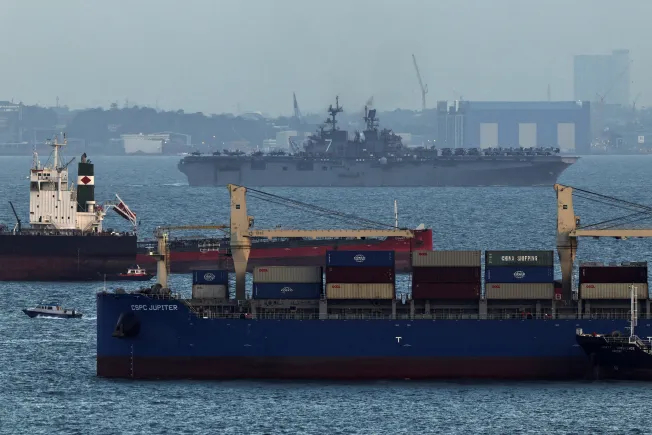
The U.S. naval blockade of Iran’s coast has turned the Strait of Hormuz into a high-stakes endurance test. While Iran faces critical oil storage limits and a crippled economy, Washington must navigate global energy shortages and domestic political pressure, making the next round of talks vital for regional stability.

Read More »
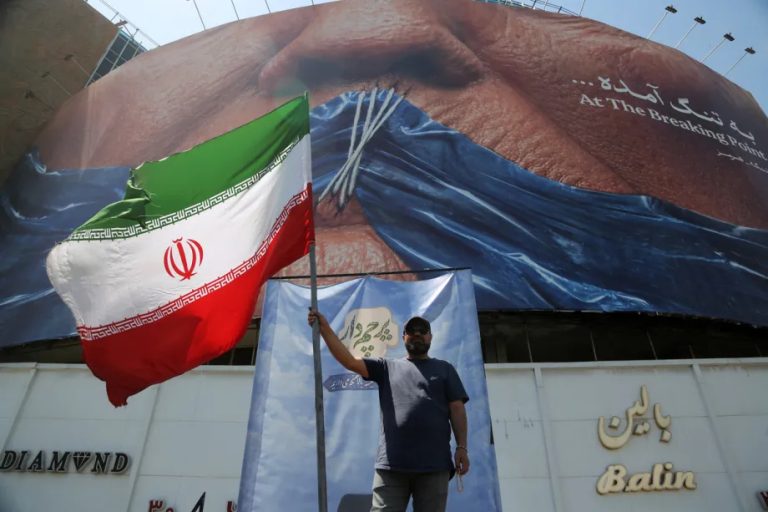
A street scene in Tehran featuring a large political billboard showing a hand controlling the Strait of Hormuz.

US Leverage in Hormuz Weakens Iran’s Position Long-Term

The strategic landscape of the Gulf is undergoing a permanent shift as the U.S. asserts maritime control over the Strait of Hormuz. With Saudi Arabia restoring its East-West pipeline to full capacity and regional powers investing in bypass routes, Iran’s traditional geographic leverage is weakening against a backdrop of massive domestic infrastructure damage.

Read More »
A large oil tanker at sea showing visible damage and burn marks on its hull.

Iran’s Hormuz Leverage Reshapes Regional Power Balance

The strategic importance of the Strait of Hormuz has reached new heights in the wake of recent conflicts. By selectively managing one-fifth of the world’s oil supply, Iran has created a powerful economic lever that challenges conventional military dominance and forces global energy markets to recalibrate their long-term dependencies.

Read More »
JD Vance giving a thumbs-up while standing on the stairs of an airplane against a clear blue sky.

Trump’s Military Options Are Shrinking and Iran Knows It

President Trump’s decision to impose a naval blockade on the Strait of Hormuz signals a transition to economic warfare as military options become increasingly unsustainable. Facing $2 billion in daily conflict costs and depleted missile stockpiles, Washington is struggling to maintain pressure while Iran leverages its geographic advantages and strategic patience.

Read More »
A side-by-side comparison of diplomatic meetings featuring Shehbaz Sharif shaking hands with Iranian and US representatives.

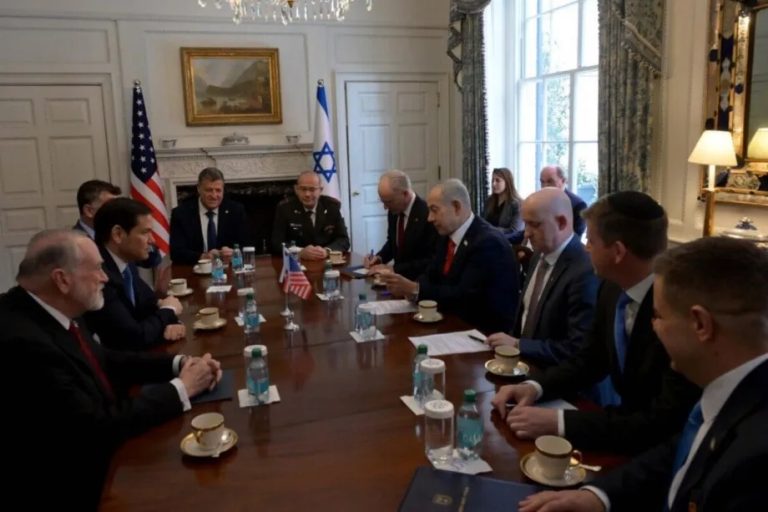
Islamabad Talks Reveal Iran-US Negotiation Deadlock

High-stakes negotiations in Islamabad between the US and Iran have concluded without an agreement. Despite a fragile ceasefire and intense mediation, core disputes over uranium enrichment, sanctions relief, and maritime control in the Strait of Hormuz continue to block the path toward a durable regional settlement.

Read More »
Large white fuel storage tanks in the foreground with a cargo ship docked in the distance at dusk.

Sanctions Tool Faces Scrutiny Over Humanitarian Toll

A recent study reveals that unilateral sanctions contribute to over 564,000 excess deaths annually, disproportionately affecting children. Cases in Cuba and Iran demonstrate that while economic pressure aims for political shifts, it often results in severe humanitarian crises, infrastructure failure, and limited strategic success in the long term.

Read More »
Thick black smoke rising from an industrial oil facility near mountains and a highway.

Iran Ceasefire Holds as US and Tehran Eye Tough Talks

As the April 22 expiration date looms, the fragile US-Iran ceasefire faces its toughest test. Despite high-stakes negotiations in Islamabad, no “affirmative commitment” has been reached on nuclear limits or sanctions relief. With the Strait of Hormuz still effectively restricted and Israel’s intensifying ground campaign in Lebanon, the region remains trapped in a volatile limbo between a stopgap truce and the threat of a full naval blockade.

Read More »
A woman in a kuffiyeh cheering in front of a large billboard featuring the Iranian flag and a portrait of a religious leader.

Operation Epic Fury’s Hidden Ledger: What America Actually Lost

Beyond the military scorecard, the 40-day war with Iran has left Washington in a structurally weaker position. With $65 billion in projected long-term costs and the dangerous depletion of high-demand munitions needed for the Pacific, the conflict failed to resolve the nuclear question while simultaneously fracturing alliances and handing Russia a massive energy windfall.

Read More »
A double exposure image overlaying the Iranian flag with the White House at night.

The 1991 Trap: Why Washington Must Learn From Iraq to Survive Iran

The US-Iran ceasefire faces a historical “1991 trap,” echoing the aftermath of Operation Desert Storm where military victory failed to produce political closure. As negotiations begin in Islamabad, the fundamental gap between Iran’s 10-point plan and Washington’s “red lines” on enrichment threatens a decade of simmering conflict unless both sides move beyond containment toward genuine, conditional normalization.

Read More »
Donald Trump speaking at a podium with a large, blurred American flag in the background.

Cuba Is Not Venezuela And Trump’s Playbook Won’t Work There

As Cuba’s national grid collapses following the end of Venezuelan oil shipments, Washington’s pressure-cooker strategy faces a reality check. Unlike Venezuela, Cuba lacks the resources to attract quick investment, while the Helms-Burton Act’s rigid legal requirements and decaying infrastructure make a simple leadership shuffle nearly impossible without a massive reconstruction plan.

Read More »
Satellite view of the Strait of Hormuz, Persian Gulf, and Gulf of Oman.

Iran’s Masterplan for the Strait of Hormuz

The shift in the Strait of Hormuz from a traditional military chokepoint to a formalized “Sovereign Toll Zone” represents the most significant change in maritime law since the 1982 UNCLOS. Tehran is moving to institutionalize what was once a temporary blockade into a permanent economic engine designed to bypass Western sanctions forever.

Read More »
A large crowd of people in Iran waving Iranian flags and chanting during a demonstration.

Iran’s Peace Blueprint: Bold Enough to Work, or Too Late?

The publication of Mohammad Javad Zarif’s peace blueprint in Foreign Affairs on April 3, 2026, represents the most significant diplomatic opening since the start of Operation Epic Fury. While Zarif currently holds no official government title, his role as a key ally to reformist President Masoud Pezeshkian suggests this is a “cleared” trial balloon from Tehran’s remaining diplomatic corps.

Read More »