Israelis prepared for retaliation after fresh strikes targeted Hezbollah positions near Beirut. Instead of missiles, word arrived of a rapid ceasefire and a new memorandum between the United States and Iran. The development exposed longstanding assumptions about American protection, leaving officials and citizens to grapple with what many describe as a suboptimal outcome for national security.
Public reaction cut across usual divides. Polls taken in the days surrounding the announcement showed that fewer than one in three Jewish Israelis considered the terms compatible with the country’s defense needs. Support for President Donald Trump, once exceptionally high, plummeted in recent surveys, dropping into negative territory even among his traditional backers. This shift reflects not only dissatisfaction with the agreement but also frustration over perceived slights directed at Israeli leadership.
The fourteen-point document, formalized at the Palace of Versailles and co-signed by Iranian President Masoud Pezeshkian, falls short on several Israeli priorities. It leaves significant stocks of enriched uranium in place and imposes only modest limits on ballistic missiles. At the same time the pact will unfreeze substantial Iranian funds held abroad. Such measures appear likely to have bolstered the regime following months of intense internal protests that had threatened its stability. With Mojtaba Khamenei now in charge, regarded as a committed hardliner, concerns have grown that Tehran could rebuild its influence across the region more quickly than anticipated.
Strained Alliance Raises Fresh Doubts
The episode has also strained the special relationship between Jerusalem and Washington. President Trump, who once championed close coordination with Israel, has criticized aspects of its approach to Hezbollah and the occupation of parts of southern Lebanon. He suggested Israeli forces need not demolish every structure linked to the group and described differences with Prime Minister Benjamin Netanyahu as more than minor. These comments, combined with reports of heated private conversations, have fueled speculation about the future of their partnership.
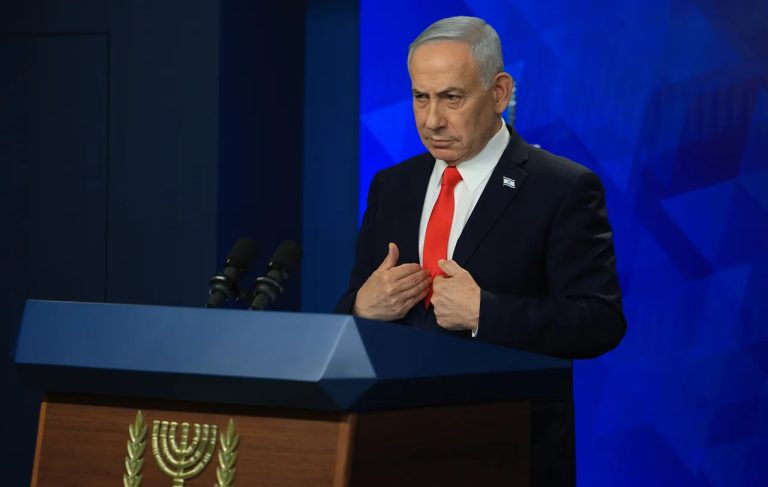
Netanyahu responded forcefully in a news conference. He vowed that Iran would never obtain nuclear weapons during his tenure and that Israeli troops would remain in Lebanon for as long as required to secure borders. Yet such statements have done little to quiet domestic critics who argue the overall strategy has narrowed Israel’s options and damaged its standing.
Analysts point out that the country finds itself more isolated internationally than at any time in decades. After the prolonged fighting in Gaza drew global condemnation, few voices outside traditional allies expressed concern for Israeli priorities during the Iran negotiations. This vacuum leaves decision-makers with fewer levers to influence outcomes in Washington or other capitals.
The political implications inside Israel have grown clearer as parties gear up for expected elections later this year. Projections show Netanyahu’s Likud retaining its position as the largest party, but the center-left opposition has narrowed the gap considerably in recent days. Some observers believe the current climate could open space for Netanyahu to distance himself from Trump if domestic pressure mounts, though the power dynamics make open rupture unlikely.
What emerges from this chapter is a Middle East where old certainties no longer hold. The conflict and its resolution have accelerated debates about self-reliance and diversified partnerships. Whether leaders can translate these pressures into more effective arrangements remains uncertain, but the recent agreement has made clear that reliance on a single patron carries risks that can no longer be ignored.
Original analysis inspired by Ruth Margalit from The New Yorker. Additional research and verification conducted through multiple sources.
By ThinkTanksMonitor