Tag: New World Order

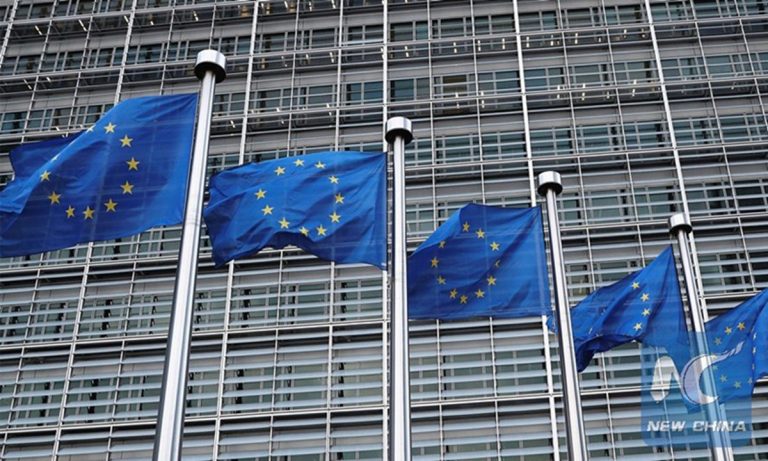
Row of European Union flags flying in front of the modern European Commission headquarters building.

 Europe Is Pursuing Strategic Autonomy — But Not Without America Yet

This analysis examines the strategic consequences of Operation Epic Fury, drawing a parallel between Iran’s current control of the Strait of Hormuz and the 16th-century Dutch blockade of the Scheldt. By exploring the limitations of tactical military success against structural economic shifts, this piece assesses the long-term impact on global energy security and the credibility of American regional guarantees. It highlights how the normalization of this new architecture challenges traditional sanctions frameworks and alters international diplomatic leverage.

Read More »
Close-up of a person's hands counting United States dollar banknotes.

The Dollar Is Dying and The World Is Renegotiating Its Price

This analysis explores the structural and psychological erosion of the U.S. dollar’s role as the foundation of global finance. With U.S. federal debt exceeding critical thresholds and interest payments increasingly consuming the federal budget, the traditional framing of a “strong dollar” is facing unprecedented political scrutiny. We examine the tensions within Washington as policymakers weigh the benefits of currency depreciation to boost domestic manufacturing against the risk of alienating foreign creditors. This report details the global response—from diversified central bank reserves to the rise of non-dollar trade—and assesses whether the dollar can maintain its status as the world’s risk-free asset in a new era of managed currency competition.

Read More »
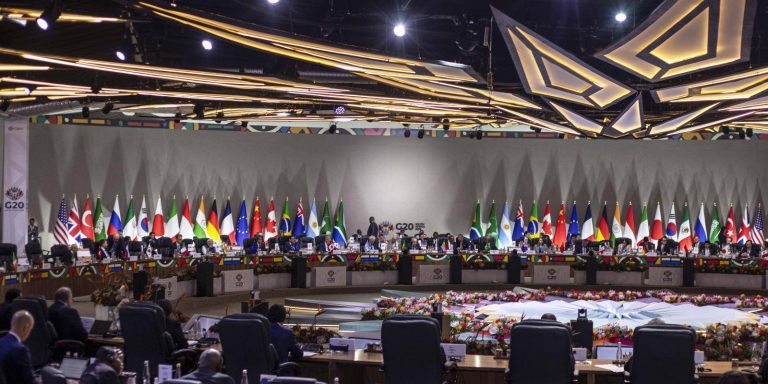
A wide view of a G20 summit conference hall featuring flags and representatives from various nations.

The Case for a Third Economic Pole Without the US or China

This analysis examines the recent Chatham House report, Saving global economic governance from the ‘Trump shock’, which advocates for the creation of a “third economic pole” in the global financial system. As the U.S. and China increasingly weaponize economic policy and dismantle multilateral institutions, the report argues that market-oriented middle powers must move beyond ad-hoc “variable geometry” coalitions. By establishing a standing alliance between the European Union and the 12 CPTPP member states, these nations could create a stable, rules-based trade bloc large enough to maintain economic openness and resilience independently of the two competing hegemons.

Read More »
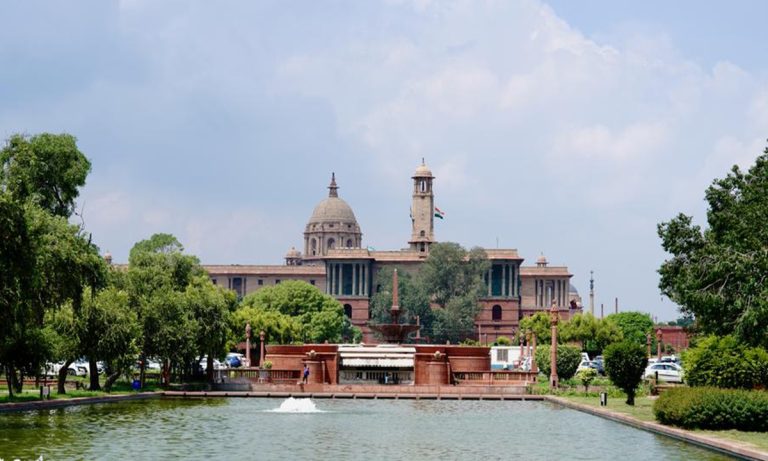
Exterior view of government buildings in New Delhi with greenery and a water fountain in the foreground.

India’s Strategic Autonomy Doesn’t Need Washington’s Approval

This analysis explores the evolving landscape of Indian foreign policy amidst shifting global alliances. We examine the limitations of Washington’s partnership rhetoric, India’s persistent reliance on “strategic autonomy” as its core organizing principle, and the potential strategic benefits of stabilizing relations with China. By moving beyond traditional bloc-based alignments, we argue that India is prioritizing national interests and long-term diplomatic leverage over reflexive adherence to U.S.-led geopolitical frameworks.

Read More »
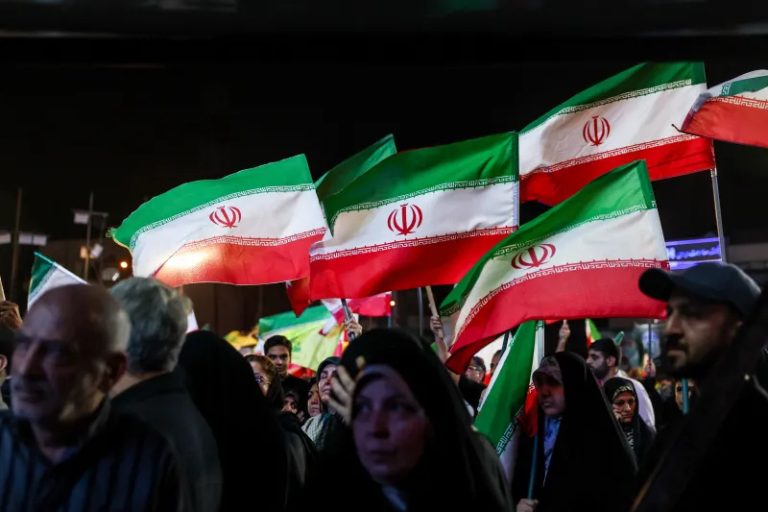
Crowd waving Iranian flags at a public gathering during a geopolitical event.

Iran Is Not Trying to End This War — It Is Trying to Win the Peace

This analysis explores Iran’s strategic shift from a policy of survival to one of active conflict management. By examining the consolidation of hard-line domestic power, the effective weaponization of global energy markets through the closure of the Strait of Hormuz, and the cynical use of negotiations as a tactical delay, we assess how Tehran is positioning itself as a dominant pole in a new, multipolar regional order—regardless of the devastating domestic economic costs.

Read More »
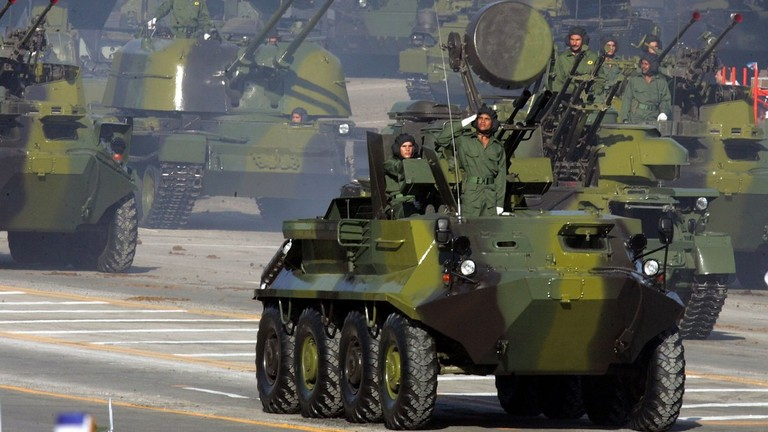
Armored vehicles and military troops in a parade.

China’s Governance Model: Discipline Meets Long-Term Vision

This analysis explores the core tenets of China’s governance framework, examining how the synergy between disciplined institutional oversight and long-range strategic planning drives the nation’s development trajectory. We discuss the role of anti-corruption campaigns in maintaining state integrity, the adaptability of the economic model, and the underlying civilization-state logic that prioritizes collective national outcomes over short-term political cycles.

Read More »
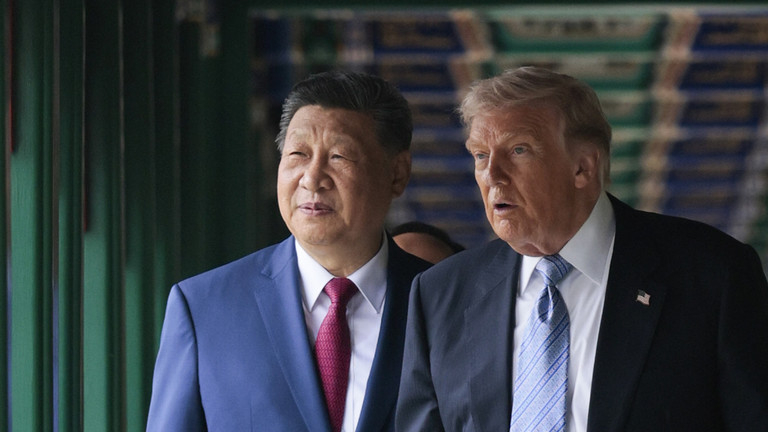
Chinese President Xi Jinping and US President Donald Trump walking together indoors during a diplomatic summit in Beijing.

Trump’s Beijing Summit Signals a New US-China Power Balance

This analysis evaluates the strategic implications of the May 2026 Trump-Xi summit in Beijing. Signaling a breakdown of the traditional unipolar framework, the meeting underscored Washington’s implicit recognition of China as a co-equal power, as global supply chain realities and Middle East entanglements reshape the bilateral balance of power.

Read More »
A diverse group of international visitors and local guides standing in a lush green tea plantation in rural China, examining freshly picked tea leaves.

China’s Governance Model as Global Export: Appeal, Strategy, and Limits

Beijing is aggressively positioning its state-led governance model as a viable alternative to liberal democracy. By targeting students and scholars from the Global South through expansive scholarship programs and the Belt and Road Initiative, China aims to shape global narratives on modernization while bypassing political resistance in the West.

Read More »
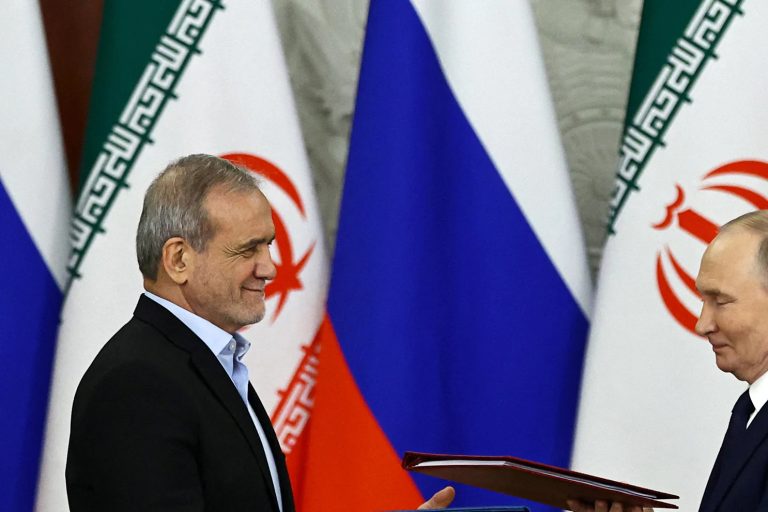
A close-up shot of a high-ranking official smiling while standing next to Vladimir Putin with Iranian and Russian flags in the background.

Iran Conflict Strengthens Authoritarian Networks

The ongoing conflict with Iran has unveiled a sophisticated web of cooperation among authoritarian states. Beyond tactical military aid, China and Russia are helping Tehran build a parallel economic and technological system. From electronic warfare sharing to the normalization of non-dollar trade, this “Authoritarian Collaboration” is actively reshaping global alignments and challenging the resilience of democratic alliances.

Read More »
USA and Iran flags standing side-by-side behind a row of press microphones.

Islamabad and the New Diplomacy: The Global South Steps Forward

The recent talks in Islamabad mark a structural shift in global diplomacy, signaling the rise of the Global South as a primary architect of international security. As Western mediation falters, the “Islamabad Process” demonstrates how multi-aligned regional powers are now indispensable in resolving complex conflicts and shaping a multipolar world.

Read More »
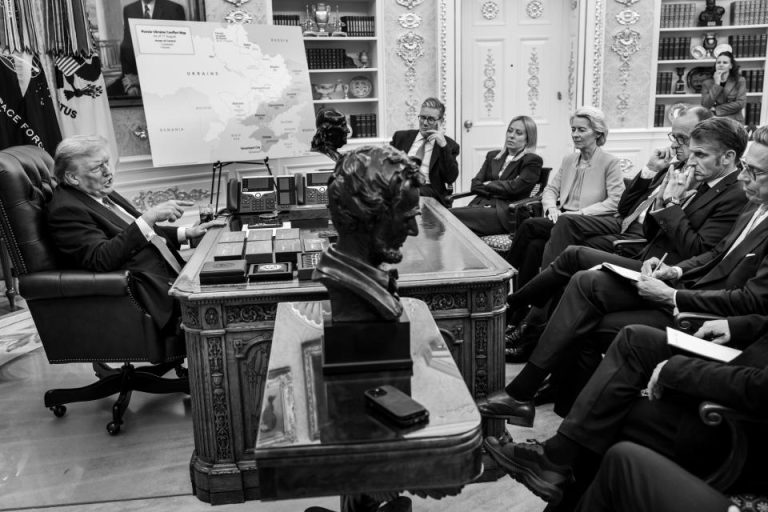
Black and white photo of Donald Trump meeting with European leaders, including Giorgia Meloni and Ursula von der Leyen, in the Oval Office.

US Coercive Diplomacy Accelerates European Strategic Autonomy

The aggressive shift in Washington’s coercive diplomacy has become the catalyst for European strategic autonomy. From threatening blanket tariffs over Greenland to linking NATO guarantees to trade concessions, US pressure is forcing European capitals to diversify partnerships and integrate their defense industrial bases to insulate themselves from transactional American foreign policy.

Read More »
Dramatic digital art of a coastal conflict with an American flag in the foreground and a damaged globe.

The Gulf Conflict and the Accelerating Shift to Multipolarity

The second month of the 2026 Iran War marks more than just a regional military crisis; it is the catalyst for a fundamental reordering of global power. The conflict has acted as a “stress test” for 20th-century security models, and the results have accelerated a shift toward a multipolar world where American unilateralism is being replaced by regional self-reliance and alternative financial networks.

Read More »