Tag: New World Order

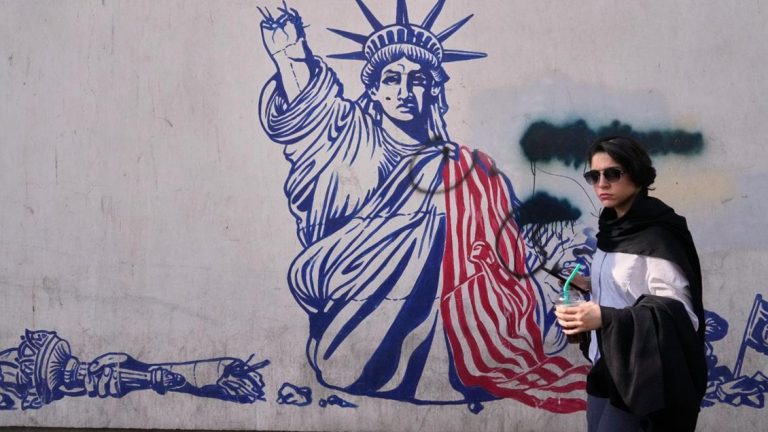
Woman walking past a street mural of the Statue of Liberty in Tehran.

Washington Expands Financial Warfare Against Tehran

The U.S. has expanded its economic confrontation with Iran, leveraging secondary penalties to target global financial channels and energy trade. As Washington attempts to isolate Tehran, major trade partners offer resistance, highlighting growing risks to global market stability and energy prices.

Read More »
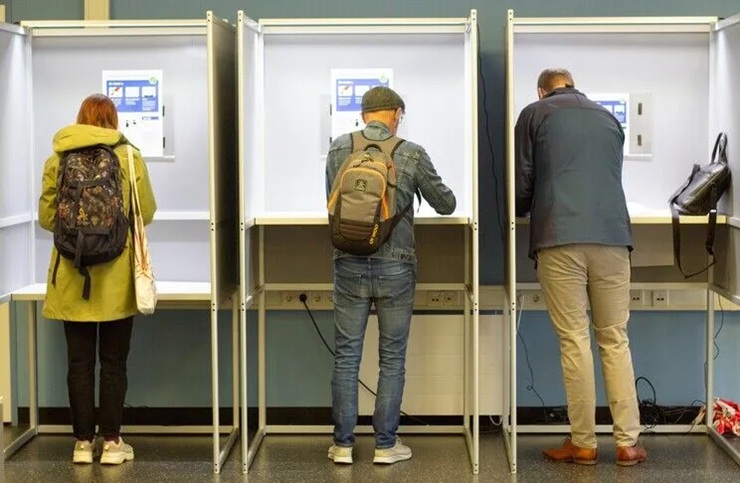
Three voters standing inside private voting booths filling out election ballots.

Transatlantic Shifts Redefine European Politics

A growing convergence between U.S. conservatives and European nationalist movements is reshaping international diplomacy. By bypassing traditional state protocols to embrace shared cultural narratives, these political factions are building a unified transatlantic network that challenges liberal governance models and legacy global alliances.

Read More »
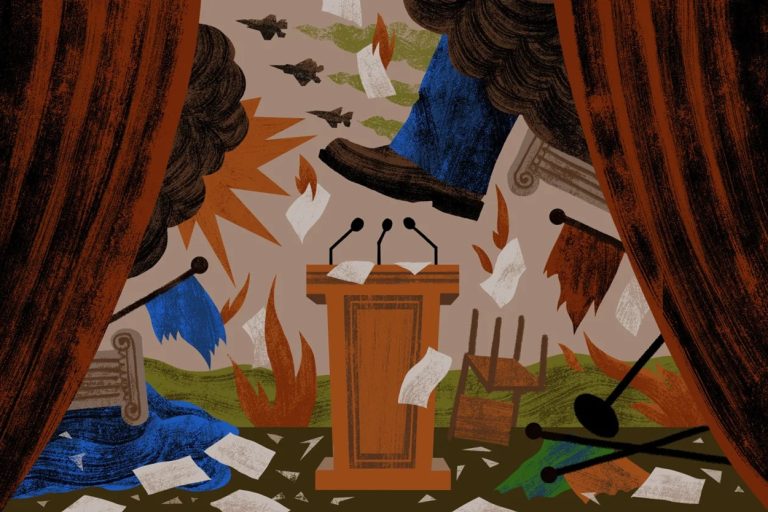
Editorial illustration of a giant boot stepping down onto a conference podium amid flying papers, smoke, and fighter jets.

World Order Is Shifting Beyond American Primacy

The international system is entering a transitional era where American power remains immense but is no longer capable of single-handedly organizing global behavior. Rather than a clean transition to a new unipolar leadership, governments are combining traditional alliances with regional trade agreements, industrial policies, and strategic supply controls. Discover how middle powers are navigating this fragmented world by building diverse relationships and independent economic resilience.

Read More »
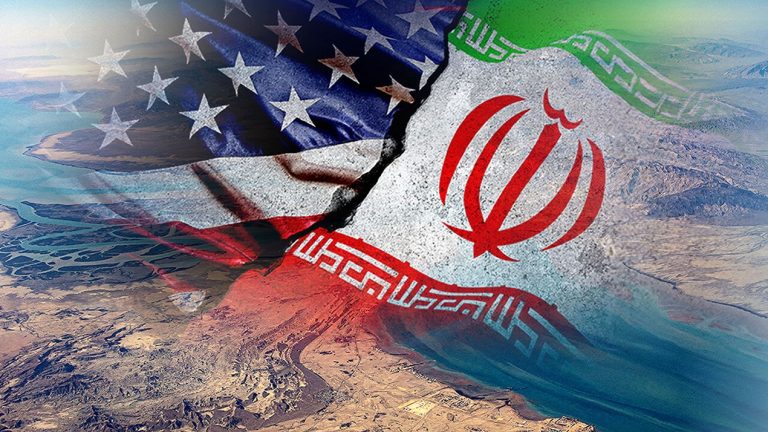
Composite aerial map overlaid with a fractured split of the US and Iranian flags.

Hormuz Standoff Exposes Limits of US Power Over Iran

The ongoing confrontation in the Strait of Hormuz highlights the limits of both American military dominance and Iranian geographic leverage. As high oil prices and severe economic sanctions strain both sides, neither Washington nor Tehran has managed to convert pressure into a lasting political settlement. Discover why political endurance has become the key factor in this high-stakes standoff and what it takes to break the deadlock.

Read More »
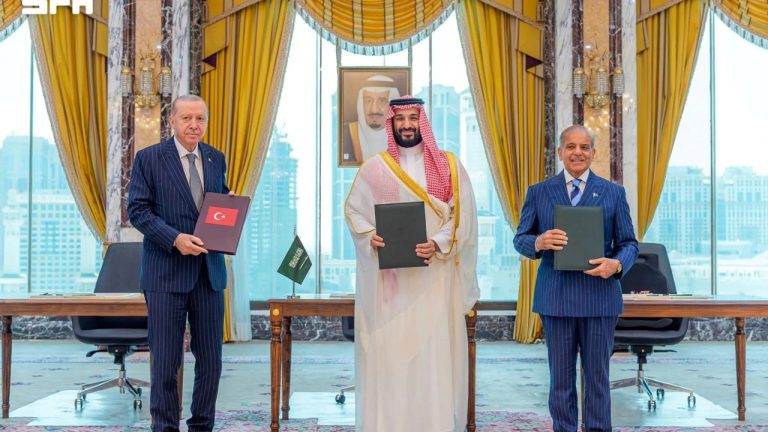
Turkish President Recep Tayyip Erdogan, Saudi Crown Prince Mohammed bin Salman, and Pakistani Prime Minister holding agreement folders indoors.

Mecca Pact Signals a New Middle East Security Order

Saudi Arabia, Turkey, and Pakistan have signed the Mecca Joint Defence Agreement, establishing a collective security pact outside traditional Western frameworks. While not breaking ties with Washington, the alliance emphasizes joint military coordination, advanced technology sharing, and greater regional autonomy in shaping Middle Eastern stability.

Read More »
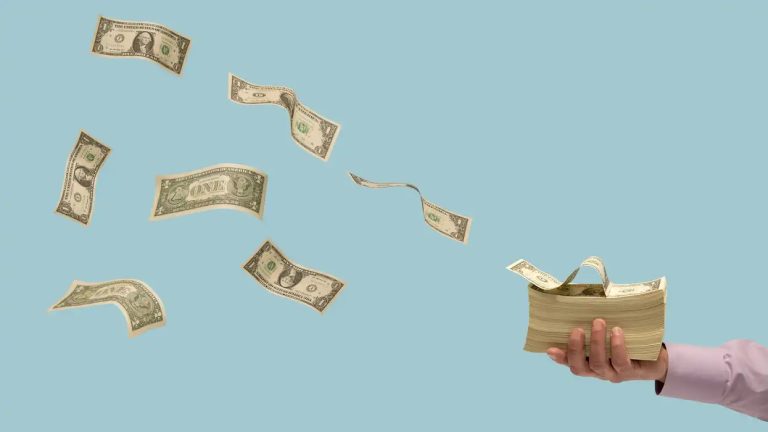
A hand holds a thick stack of U.S. dollar bills while other individual bills fly through the air against a light blue background.

The Numbers Behind America’s Soft Power Collapse

The concept of “soft power,” pioneered by Joseph Nye, is facing a historic reversal. As the United States sees its global reputation plummet in the 2026 indices, the erosion of its values-based influence and institutional legitimacy signals a deep, structural shift. Is the era of American global appeal reaching its end?

Read More »
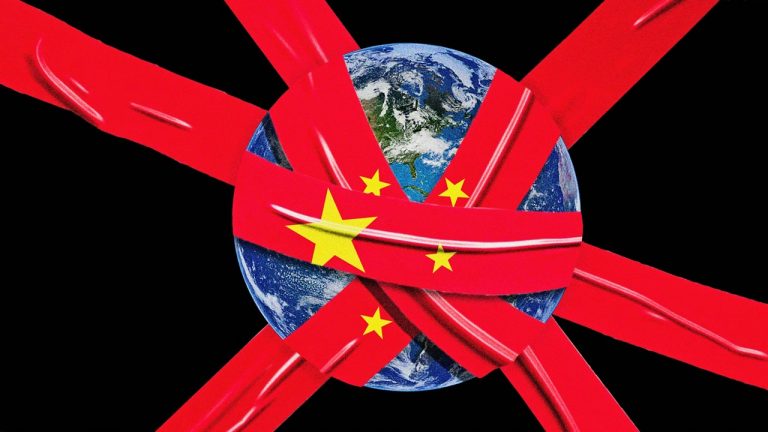
An illustration of the planet Earth wrapped in red bands featuring the yellow stars of the Chinese flag.

China Wants to Run the World Order, Without Paying for It

China’s recent 45-page white paper, “More Just and Equitable Global Governance: China’s Principles, Proposals and Actions,” marks a significant shift in Beijing’s diplomatic strategy. Rather than seeking to overthrow existing institutions, the document proposes reforming them to grant greater influence to the Global South and prioritize multipolarity. By positioning itself as a defender of the UN-centered order, China is attempting to fill the rhetorical vacuum left by Washington’s selective disengagement. However, the white paper remains notably silent on major new financial commitments, raising questions about whether China is prepared to bear the material costs of the global order it aims to architect. This analysis examines China’s efforts to project normative power and the structural tensions between its rising global ambitions and domestic economic constraints.

Read More »
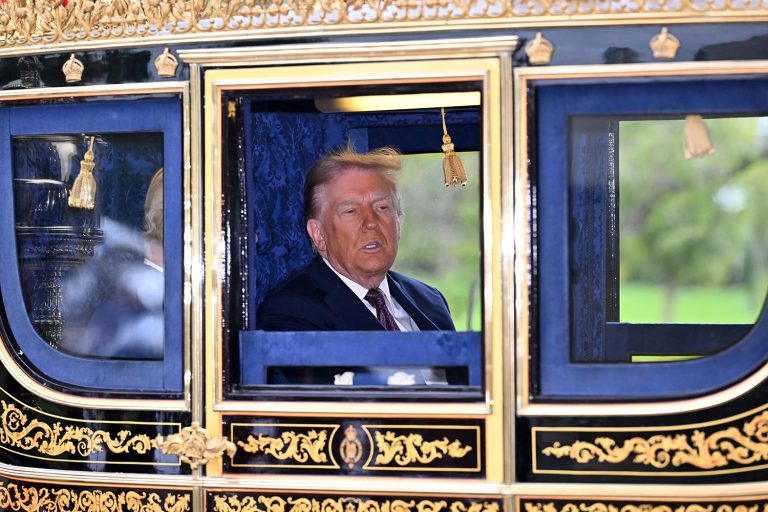
Donald Trump sitting inside a traditional golden-trimmed state carriage.

Trump’s Civilizational Rhetoric Is Fracturing the Very West It Claims to Defend

This article examines the rise of “civilizationalism” as a guiding doctrine in American foreign policy and the resulting strain on the traditional Western alliance. By analyzing the historical parallels to late-stage imperial Rome and the fracturing of multilateral commitments, we discuss how the shift toward identity-based rhetoric—rather than civic or interest-based diplomacy—is accelerating a global transition toward an “American-minus-one” international system, where key partners increasingly seek stability and trade arrangements outside of Washington’s influence.

Read More »
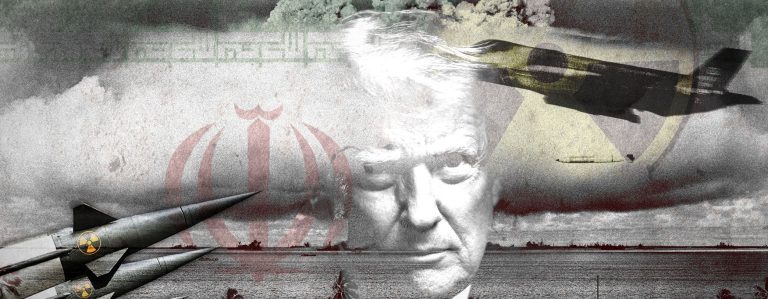
Artistic representation of Donald Trump overlaid on an Iranian flag with fighter jets and nuclear missiles.

A Nuclear Strike on Iran Would Solve Nothing and Destroy Everything

This analysis examines the profound strategic risks associated with the potential use of nuclear weapons in the conflict with Iran. By evaluating the “limited” strike fallacy, the geopolitical fallout of breaking the post-1945 nuclear taboo, and the reality of Iran’s immense geography, we argue that nuclear escalation would fail to achieve military objectives while fundamentally destabilizing the international order and accelerating global nuclear proliferation.

Read More »
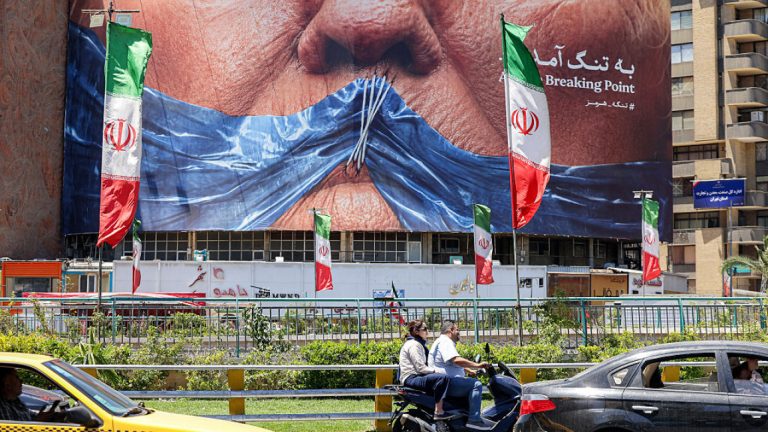
A large urban billboard in Iran displaying political imagery and flags with the Persian text "Breaking Point" at the Strait of Hormuz.

The Scheldt Blockade and What It Tells Us About Hormuz

This article draws a precise historical parallel between the 16th-century Dutch blockade of the Scheldt and the ongoing crisis in the Strait of Hormuz. By analyzing the strategic implications of Iran’s new transit toll system, we explore how tactical military achievements may mask a broader, long-term shift in regional power. We examine why the normalization of this “toll booth” architecture challenges the credibility of international security guarantees and fundamentally alters global energy logistics.

Read More »
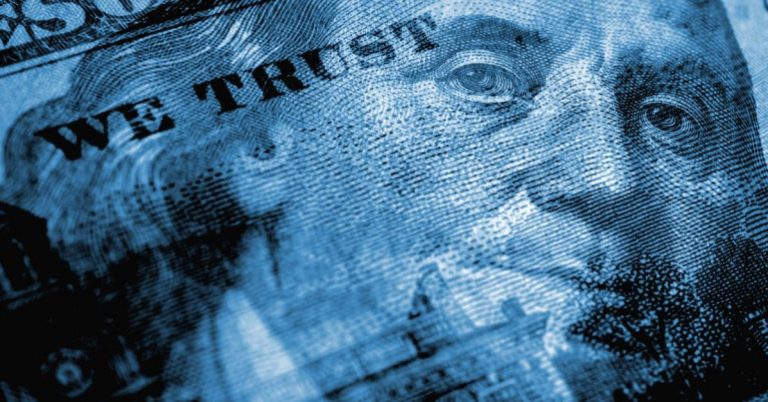
A close-up, blue-tinted macro shot of a United States one-hundred-dollar bill featuring the words "In God We Trust".

The Dollar Won’t Crash — But History Says It Will Fade

Drawing on the historical template of the British pound, this article examines why the dollar’s decline will likely be a prolonged, punctuated process rather than a sudden collapse. By analyzing shifting trade dynamics, reserve currency patterns, and recent market behavior during geopolitical stress, we explore how structural economic forces are gradually eroding the dollar’s global hegemony, even as it remains deeply embedded in current financial systems.

Read More »