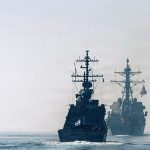
The geopolitical calculus in East Asia is experiencing a profound transformation as historical alliances face unprecedented strain. Washington recently curtailed its participation in the critical Ulchi Freedom Shield military exercises. This abrupt reduction leaves defense officials in Seoul questioning the reliability of American security guarantees. As external protection appears increasingly conditional, policymakers and citizens alike are actively reconsidering their absolute reliance on foreign military aid.
The Push for Defense Autonomy
The cancellation of these prominent joint drills has catalyzed a dramatic shift in domestic strategic thinking. Citizens are increasingly demanding greater autonomy to counter the growing atomic capabilities of their northern neighbor. Survey data indicates that nearly eighty percent of the population now supports developing an independent nuclear arsenal. This widespread public endorsement marks the rapid erosion of a profound taboo that previously governed national defense discussions. Politicians and elite strategic thinkers are now openly discussing military options that were completely unthinkable just a decade ago.
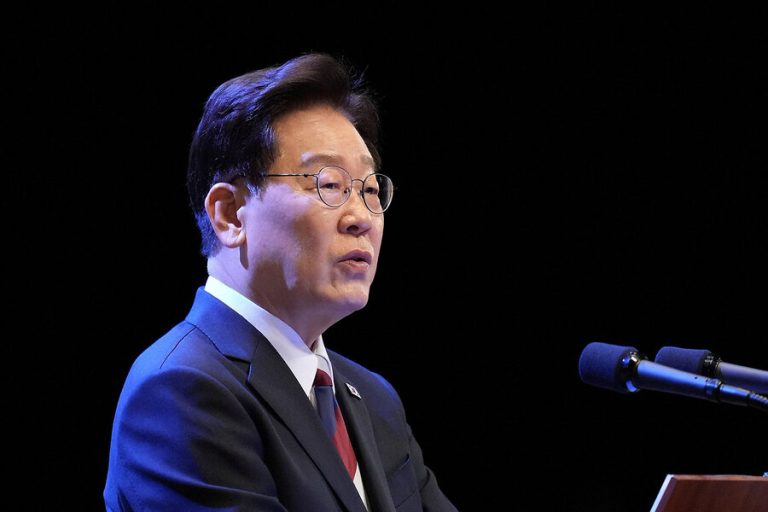
President Lee Jae Myung advocates strongly for assuming sovereign control over wartime operations during any potential conflict. His administration has consistently increased national defense budgets to bolster domestic military infrastructure and technological innovation. The government aggressively pursues advanced initiatives like developing atomic powered attack submarines fueled by low enriched uranium. Officials also aim to elevate the nation into the top tier of global defense exporters before the decade concludes. These ambitious policies clearly signal a departure from the traditional reliance on the American military umbrella.
Regional Implications and Global Reputation
Acquiring a nuclear deterrent would fundamentally alter the delicate security dynamics across the Pacific region. Nonproliferation advocates warn that obtaining these weapons could trigger severe international sanctions and severely damage the national reputation. The country originally ratified the global nonproliferation treaty in the nineteen seventies only after Washington promised overwhelming defensive support. Diplomatic experts emphasize that maintaining this commitment has generated tremendous global goodwill that could vanish overnight. Pursuing independent armament might paradoxically force the nation into the very regional conflicts it hopes to avoid.
Despite these warnings, influential domestic voices argue that absolute security requires absolute autonomy. Analysts at prominent think tanks like the Sejong Institute routinely publish extensive frameworks detailing exactly how the state could rapidly achieve nuclear capability. As the alliance with Washington appears increasingly transactional, the intellectual justification for independent deterrence grows substantially stronger. Security scholars recognize that conventional military upgrades may no longer provide sufficient protection against escalating regional threats.
Balancing Security and Stability
The pursuit of absolute strategic autonomy presents an incredibly difficult balancing act for the current administration. A stronger and more independent military could easily drag the nation into wider conflicts involving Taiwan or the Middle East. Some domestic activists remain entirely opposed to this militaristic trajectory and actively organize peace tribunals to protest the arms race. They maintain that preparing for war inevitably creates the conditions for violent conflict rather than lasting stability.
Ultimately, the decisions made in Seoul over the coming months will reshape the entire Asian security architecture. If leaders conclude that American support is permanently fractured, they will likely accelerate their independent defense programs. The historical reliance on a distant superpower is steadily being replaced by a fierce desire for sovereign independence. The world is watching closely as a formidable economic powerhouse contemplates becoming the next global nuclear state.
Original analysis inspired by Kelly Kasulis Cho from The Christian Science Monitor. Additional research and verification conducted through multiple sources.