Tag: Narendra Modi

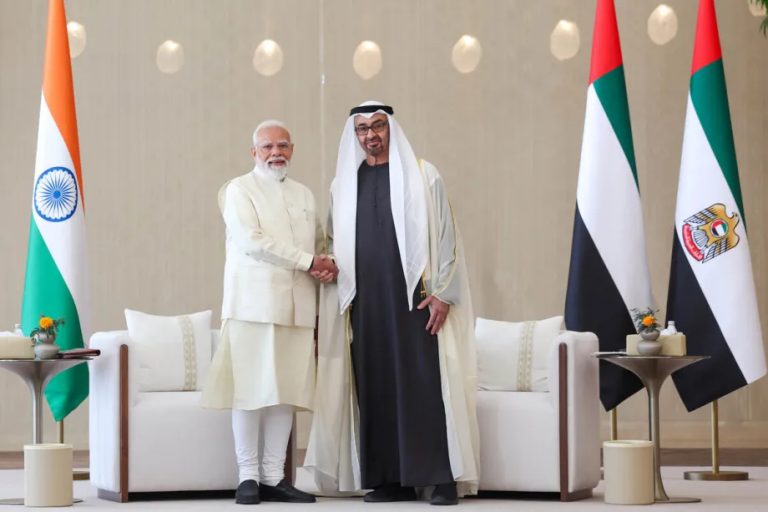
Indian Prime Minister Narendra Modi shaking hands with the President of the UAE.

India’s Calculated Gamble in a Fractured Gulf

This analysis examines India’s evolving diplomatic strategy in the Gulf, marked by deepened ties with the UAE and nuanced engagement with regional powers. We explore how New Delhi manages the intersection of economic resilience and geopolitical maneuvering. The article assesses the challenges of maintaining strategic autonomy while navigating competition between China, Iran, and traditional security alliances in a fractured West Asian landscape.

Read More »
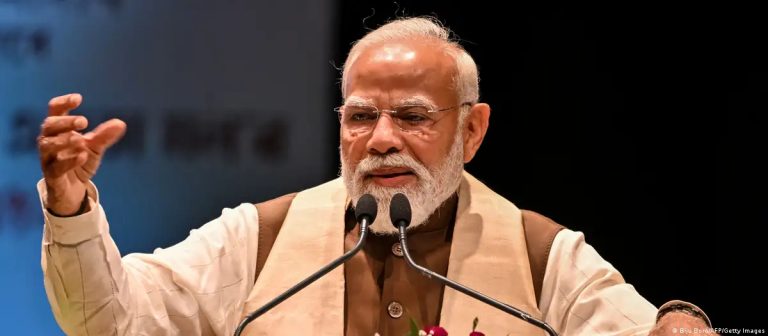
Indian Prime Minister Narendra Modi speaking at a podium during an official event.

India’s Strategic Risks in the Iran Conflict

While India successfully maintained maritime access during the Iran conflict, the crisis has exposed deep strategic vulnerabilities. Beyond energy and remittance dependencies, New Delhi must navigate shifting regional alliances, the potential for ideological spillover into South Asia, and the long-term impact of a weakened Israel on India’s own defense procurement.

Read More »
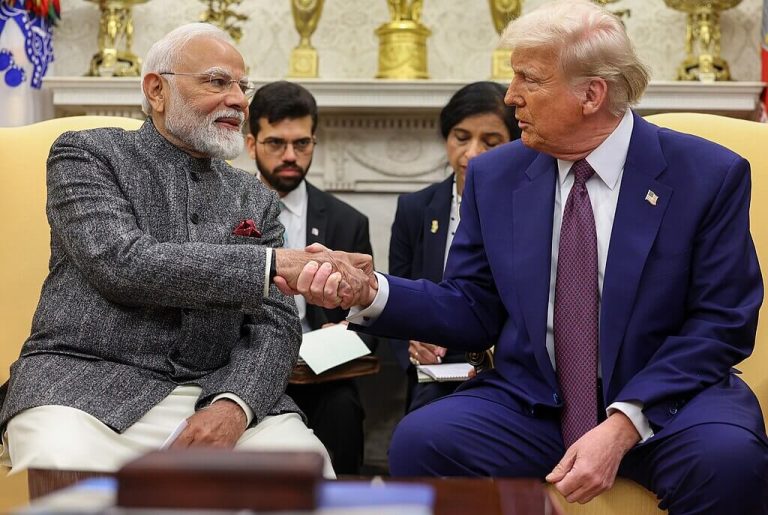
Indian Prime Minister Narendra Modi and President Donald Trump shaking hands while seated in the Oval Office, with aides and a fireplace in the background.

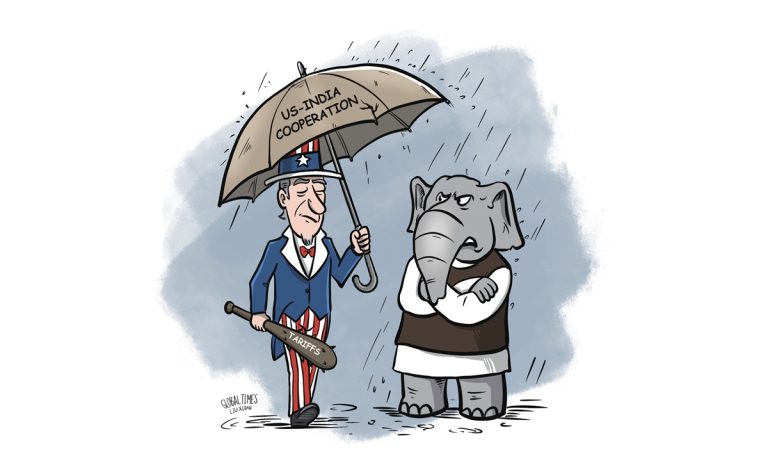
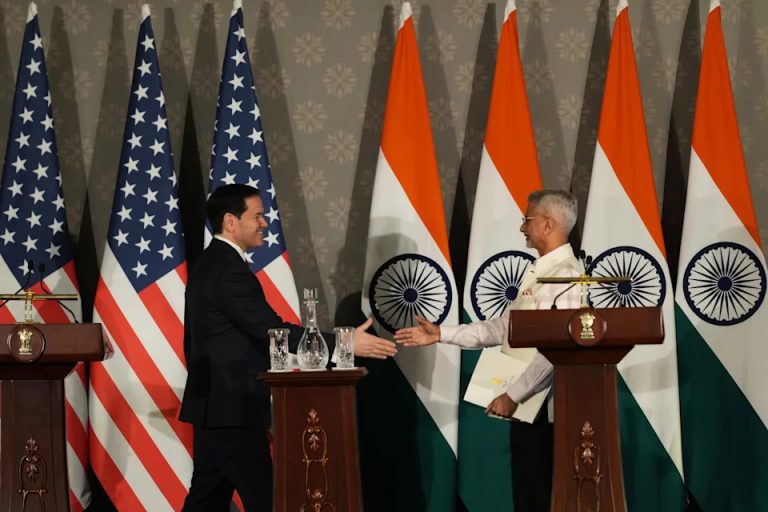
Trump’s Transactional Shift in US-India Relations

The US-India partnership is entering a pragmatic new phase characterized by a focus on tangible outcomes in trade, technology, and defense. While shared concerns regarding China’s influence sustain the alliance, the relationship now navigates a transactional landscape where immediate mutual benefits and market access take center stage.

Read More »
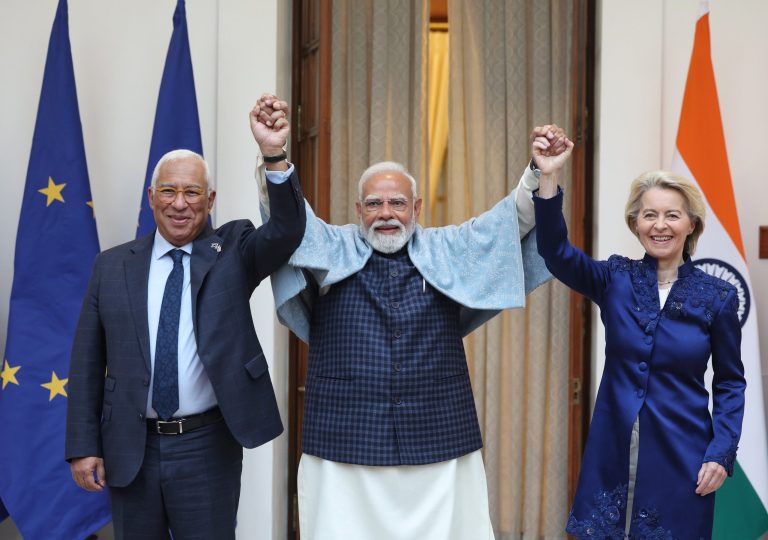
Indian Prime Minister Narendra Modi standing between two European leaders, holding their hands up in a gesture of unity.

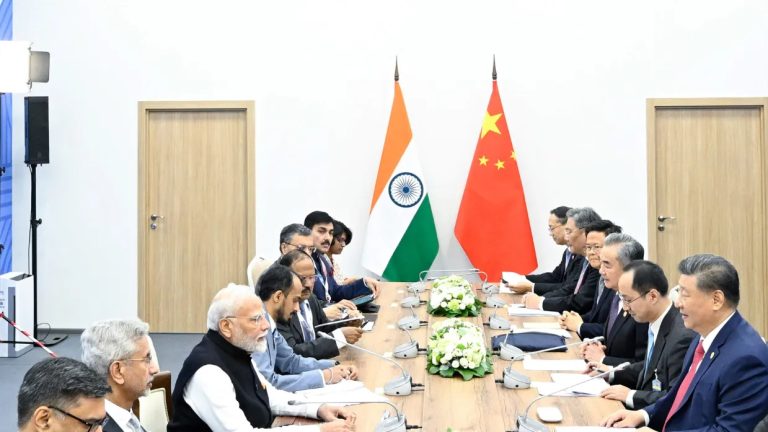
India’s Balancing Act: Surviving Trump 2.0 Without Picking a Side

The second Trump presidency has stress-tested India’s foreign policy like never before. Faced with tariff shocks and diplomatic friction over Russian oil, New Delhi has doubled down on its doctrine of multi-alignment. From finalizing a landmark EU trade deal to joining the US-led “Pax Silica” initiative while maintaining ties with Moscow and Beijing, India is navigating a fragmented global order by transforming economic pressure into strategic resilience.

Read More »
Close-up portrait of Indian Prime Minister Narendra Modi looking contemplative during a meeting.

India Navigates Gulf Tensions With Strategic Caution

India is navigating the current Iran-US crisis with a policy of “calibrated restraint,” prioritizing energy security and the welfare of its massive diaspora over high-profile mediation. While Pakistan gains visibility as a facilitator, New Delhi is focusing on long-term flexibility, protecting its structural interests in Chabahar and the Gulf while avoiding entanglement in great-power rivalry

Read More »
Close-up portrait of Subrahmanyam Jaishankar, India's Minister of External Affairs, looking thoughtful with his hands clasped.

India’s Iran War Silence Exposes the Limits of “Strategic Autonomy”

The sinking of the IRIS Dena and the subsequent “silence” from New Delhi have ignited a fierce domestic and international debate over the reality of India’s “Strategic Autonomy.” While Pakistan has positioned itself as a central diplomatic intermediary between Washington and Tehran, India finds itself grappling with a “strategic embarrassment” that has paralyzed its traditional role as a regional leader.

Read More »
A group of over twenty diplomats and officials in suits and traditional Arab attire standing for a formal group photo on a red carpet in front of a large white banner that reads "2nd INDIA-ARAB FOREIGN MINISTERS' MEETING, Saturday, 31st January, 2026, New Delhi."

India’s Multipolar Gamble With the Arab World

The revival of the India–Arab Foreign Ministers’ Meeting after a decade isn’t just a diplomatic reunion. It’s a sign that both India and the Arab world are trying to position themselves in a world where the Western-led order is cracking from within — and where Washington’s reliability can no longer be assumed.

Read More »