Tag: Global South

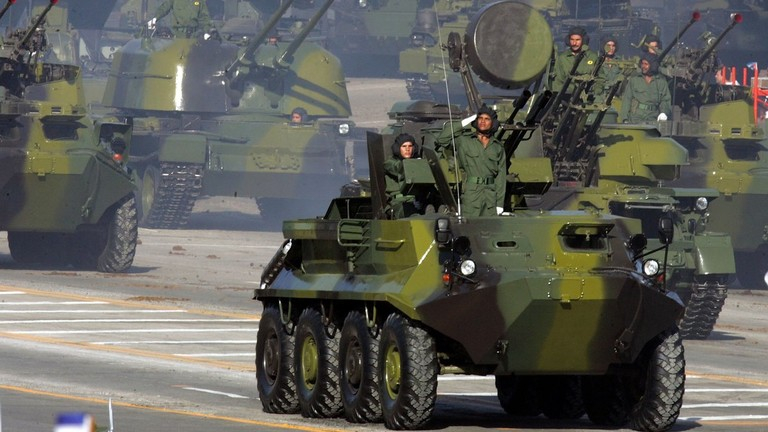
Armored vehicles and military troops in a parade.

China’s Governance Model: Discipline Meets Long-Term Vision

This analysis explores the core tenets of China’s governance framework, examining how the synergy between disciplined institutional oversight and long-range strategic planning drives the nation’s development trajectory. We discuss the role of anti-corruption campaigns in maintaining state integrity, the adaptability of the economic model, and the underlying civilization-state logic that prioritizes collective national outcomes over short-term political cycles.
Read More »
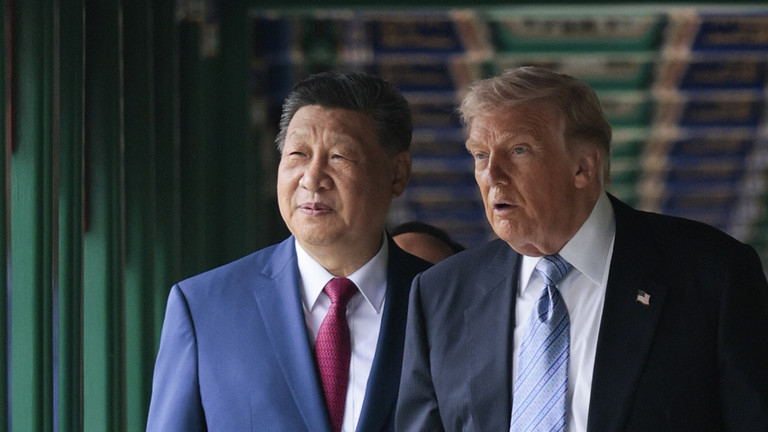
Chinese President Xi Jinping and US President Donald Trump walking together indoors during a diplomatic summit in Beijing.

Trump’s Beijing Summit Signals a New US-China Power Balance

This analysis evaluates the strategic implications of the May 2026 Trump-Xi summit in Beijing. Signaling a breakdown of the traditional unipolar framework, the meeting underscored Washington’s implicit recognition of China as a co-equal power, as global supply chain realities and Middle East entanglements reshape the bilateral balance of power.

Read More »
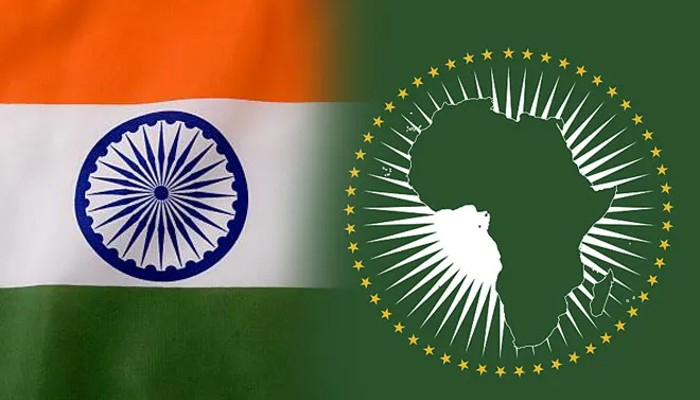
The national flag of India on the left and the green flag of the African Union featuring a map of Africa surrounded by gold stars on the right.

India-Africa Partnership Needs a New Strategic Push

This article examines the critical need for a strategic reset in India-Africa relations ahead of the May 2026 summit in New Delhi. Moving beyond historical sentiment, the analysis highlights capacity building, digital public infrastructure, and maritime cooperation as essential pillars to transform broad goodwill into measurable economic partnership.

Read More »
A stylized graphic for an article. It features a grayscale cutout of Hungarian Prime Minister Viktor Orbán on the left and a younger man in a traditional-style jacket gesturing on the right. The background is a textured representation of the Hungarian national flag.

Iran War Accelerates Multipolar World Order

The recent confrontation involving Iran marks a turning point in global geopolitics, accelerating the transition toward a multipolar order. This analysis explores how strained transatlantic ties, the rise of non-Western economic networks, and new metrics of technological strength are redefining influence, proving that unilateral action faces increasing limits in 2026.

Read More »
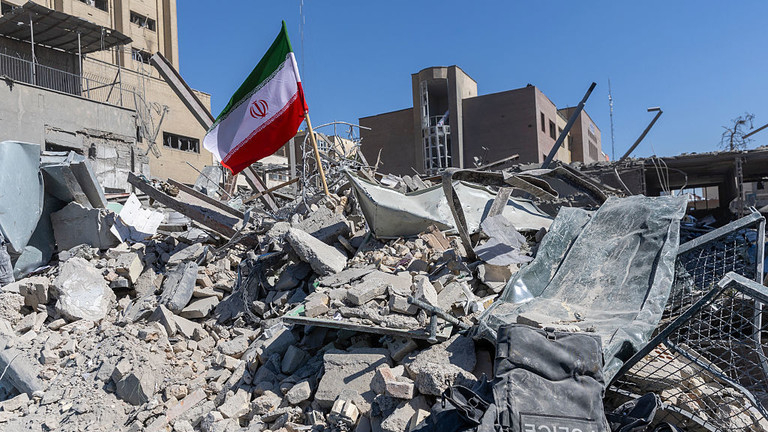
The Iranian flag flying over a pile of concrete rubble and destroyed buildings.

Iran Conflict Accelerates Multipolar Realignment

The inconclusive US-Israeli campaign against Iran has accelerated a global shift toward multipolarity. By demonstrating state resilience and weaponizing energy chokepoints, Tehran has forced major powers to reassess the costs of intervention. This new reality is driving a strategic realignment, pushing nations toward pragmatic diplomacy and diversified resource security.

Read More »
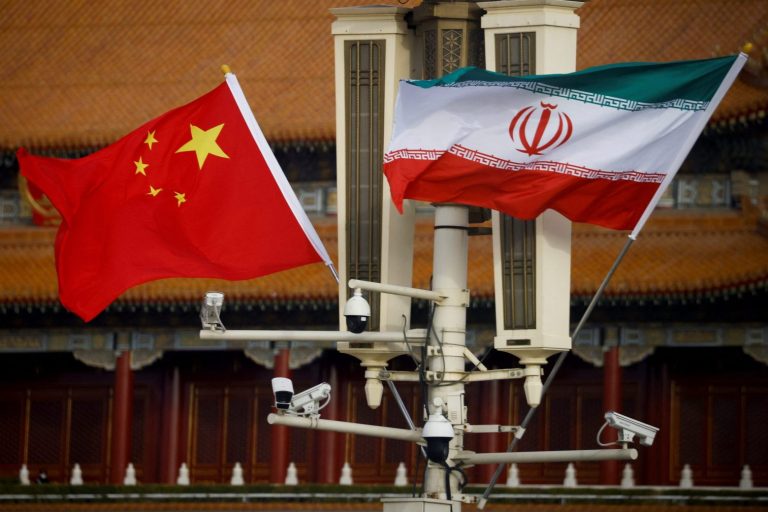
The national flags of China and Iran flying together on a lamp post in front of a traditional Chinese building.

China Accelerates Self-Reliance Amid Iran Conflict

China is cushioning Middle East shocks through reserves, EV adoption, and supply‑chain controls while hedging diplomatically. The Iran conflict is accelerating Beijing’s push for self‑reliance and diversified energy ties without deeper military entanglement.

Read More »
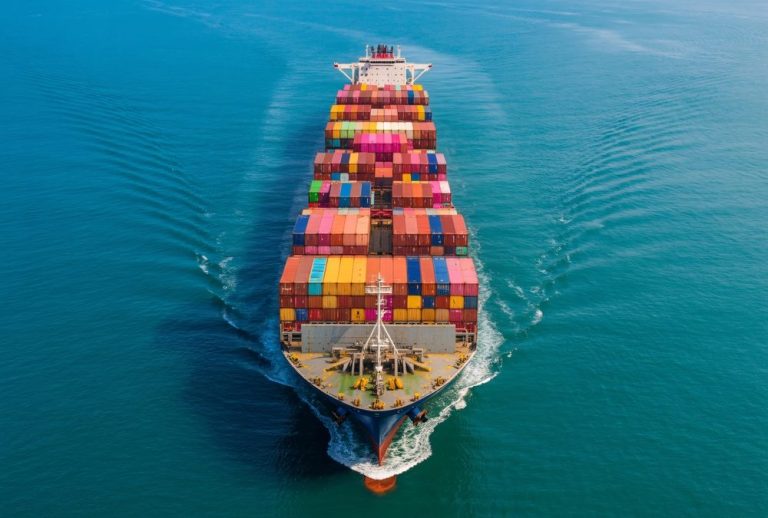
Aerial view of a massive cargo ship loaded with colorful containers at sea.

China’s Shipping Shield Blunts American Sanctions

Beijing is effectively countering American economic pressure by weaponizing its maritime dominance. With over half of global shipbuilding output and strategic investments in 168 ports worldwide, China has built a “shipping shield” that secures its energy imports and trade routes, rendering traditional financial sanctions increasingly ineffective in the lead-up to high-level diplomatic talks.

Read More »
Three humanoid robot faces with expressive eyes on a large display.

China’s Affordable AI Reshapes Emerging Markets

A shift in global AI adoption is unfolding as developing nations embrace Chinese open-source models for their affordability and customization. From Africa to Southeast Asia, these systems are becoming the practical default, allowing countries to build sovereign AI programs that reflect local languages and priorities while bypassing the high costs of American counterparts.

Read More »
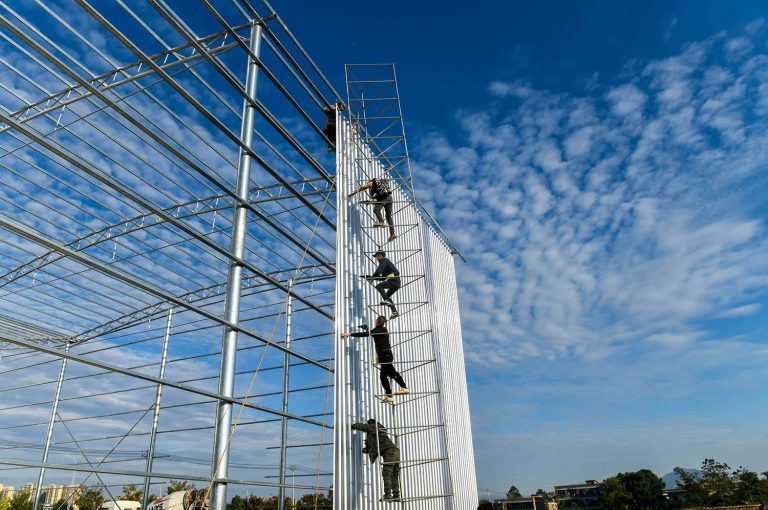
Workers climbing a high metal scaffolding to install white panels on a large building frame.

Why Strategic Hedging Defines Modern Statecraft

Driven by recent global upheavals, modern statecraft is increasingly defined by strategic hedging. Middle powers and established unions are diversifying their economic partnerships, defense suppliers, and resource chains to maximize autonomy. While this shift toward security over efficiency incurs economic costs, it provides essential insurance against an unpredictable international landscape.

Read More »
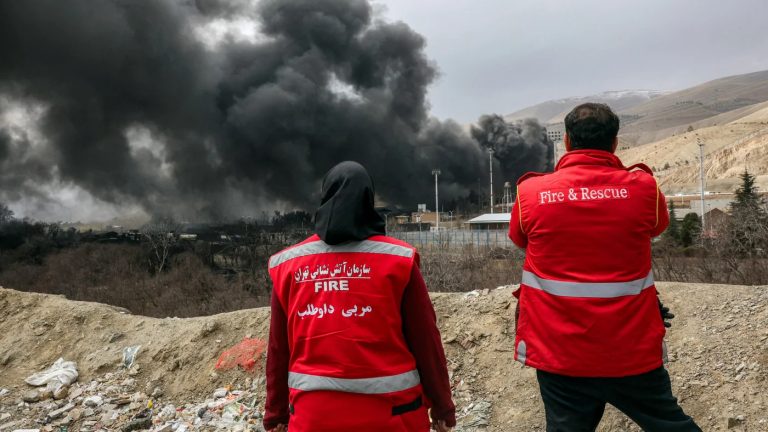
Two Iranian firefighters in red vests looking at thick black smoke rising from a distant facility.

Trump’s Iran Oil Threats Echo Decades of Plunder

Recent military strikes on Iranian energy infrastructure, including the Shahran refinery, have escalated tensions. President Trump’s rhetoric regarding the seizure of Iran’s oil reserves highlights a long-standing history of resource-based interventions. This situation mirrors historical events like the 1953 coup, reflecting an ongoing global struggle for economic sovereignty and resource control.

Read More »
A diverse group of international visitors and local guides standing in a lush green tea plantation in rural China, examining freshly picked tea leaves.

China’s Governance Model as Global Export: Appeal, Strategy, and Limits

Beijing is aggressively positioning its state-led governance model as a viable alternative to liberal democracy. By targeting students and scholars from the Global South through expansive scholarship programs and the Belt and Road Initiative, China aims to shape global narratives on modernization while bypassing political resistance in the West.

Read More »
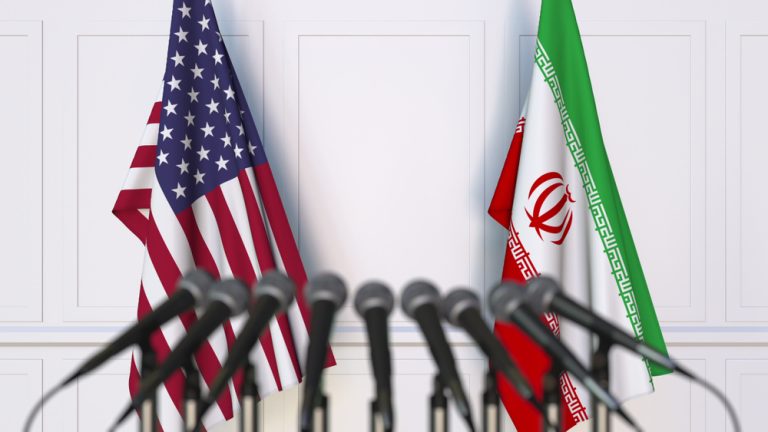
USA and Iran flags standing side-by-side behind a row of press microphones.

Islamabad and the New Diplomacy: The Global South Steps Forward

The recent talks in Islamabad mark a structural shift in global diplomacy, signaling the rise of the Global South as a primary architect of international security. As Western mediation falters, the “Islamabad Process” demonstrates how multi-aligned regional powers are now indispensable in resolving complex conflicts and shaping a multipolar world.

Read More »