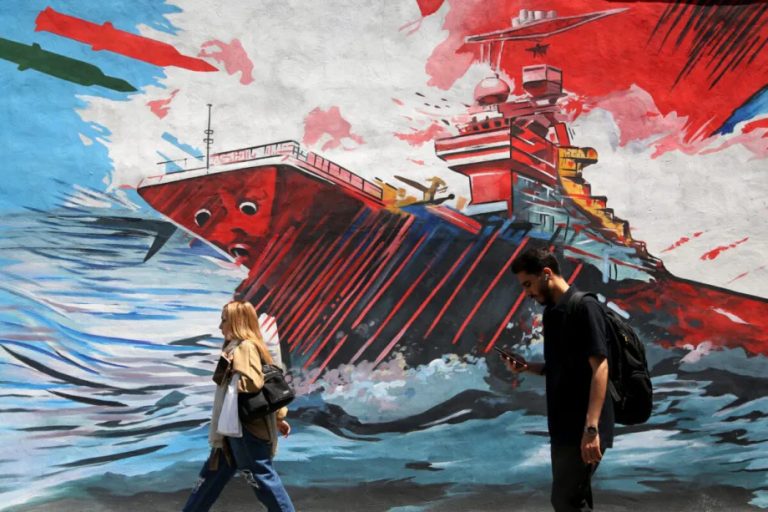
Images of ordinary routines returning to Tehran streets under a fragile ceasefire convey a moment of cautious relief. Yet they also reveal something larger about a world order in flux. The 2026 confrontation involving the United States, Israel, and Iran has done more than test regional stability. It has exposed how traditional power structures no longer command automatic alignment, as nations weigh economic ties, technological edges, and pragmatic interests against old loyalties.
What once looked like a contained clash has instead accelerated trends visible since the later stages of the Cold War’s aftermath. American decisions to strike without broad consultation strained partnerships that once formed the backbone of global coordination. Energy prices spiked, supply routes faced threats, and markets absorbed shocks that rippled far beyond the Persian Gulf. Rather than locking in a return to dominance, the episode laid bare the limits of unilateral action in an era where influence depends on more than military reach.
Transatlantic Ties Under Strain
European governments responded with noticeable distance. Renewed complaints over NATO burdens, combined with disputes about basing rights and tariffs, pushed allies toward greater independence. French President Emmanuel Macron’s earlier call to expand the nuclear arsenal and explore shared deterrence on European soil signaled a willingness to reduce dependence on Washington. Similar sentiments appeared in Berlin and other capitals as officials weighed the costs of entanglement in distant conflicts.
These moves reflect more than tactical disagreement. Trade talks with India, Brazil, and others gained speed as European leaders sought to diversify away from over-reliance on any single partner. Trade volumes between the European Union and China have held steady near significant global shares despite political friction. At the same time, announcements of American troop adjustments in Germany and threats aimed at Spain underscored the growing gap. European officials increasingly speak of building capacity that allows them to act with or without full American involvement.
On the other side of the equation, networks outside Western frameworks have gained ground. China has become the top trading partner for more than 150 countries, with particularly strong growth in ties across the Global South through infrastructure projects and currency arrangements. Russia redirected flows eastward after earlier sanctions, finding space within expanded groups that include Iran. These platforms, ranging from the Shanghai Cooperation Organization to BRICS, offered economic breathing room and political coordination when traditional institutions faltered.
New Metrics of Strength
The conflict also highlighted how security calculations have changed. States that once measured power chiefly by aircraft carriers and troop numbers now prioritize control over supply chains, digital infrastructure, and technological standards. Cyber defenses, semiconductor access, and resilient logistics have become central to deterrence. Mid-sized players can project influence when they excel in these domains, even without matching conventional forces of larger rivals.
Russia’s economy has shown surprising durability, with projections placing its growth ahead of several major European nations this year. Meanwhile, China’s position in global commerce has expanded, turning potential pressure into deeper connections across Asia, Africa, and Latin America. Visits like the recent Trump trip to Beijing illustrated the bargaining dynamics at play, touching on aircraft purchases, artificial intelligence competition, and overlapping concerns from the Strait of Hormuz to the Taiwan Strait. Beijing’s central scheduling role with Iranian and Russian diplomats further illustrated its growing position.
Chokepoints and Transactional Alliances
The Strait of Hormuz episode drove home that energy chokepoints carry global weight. Nations heavily dependent on Gulf supplies, including China, responded with calculated restraint rather than automatic alignment. Many avoided direct military entanglement while protecting economic flows through existing arrangements. This pragmatic stance exposed the difficulty of rallying unified action when leadership appears uncertain and alternatives exist. The United Nations Security Council struggled to forge consensus, reflecting deeper shifts in how alliances now form.
Alliances in this environment look more transactional. Countries mix cooperation and competition across files, making rigid blocs less common. Deterrence grows harder to gauge as threats span military, economic, and digital spheres. Middle powers gain leverage by combining niche strengths with flexible partnerships, a pattern the Iran episode reinforced. Conflicts that once stayed local now generate immediate worldwide effects through intertwined finance, technology, and information flows.
Structural Outlook
The war on Iran will likely be remembered less for battlefield specifics than for confirming a transition already underway. Traditional measures of strength have not disappeared, but they share the stage with new ones. Nations that adapt to this dispersed reality—balancing military posture with technological edge and economic agility—stand to fare better.
Global governance will need fresh thinking to manage tensions in a setting where no single actor sets all the rules. The coming years will test whether cooperation can emerge from this competitive diffusion or whether fragmentation deepens further.
Original analysis inspired by Dr Sania Faisal El-Husseini from Middle East Monitor. Additional research and verification conducted through multiple sources.