Tag: Food Security

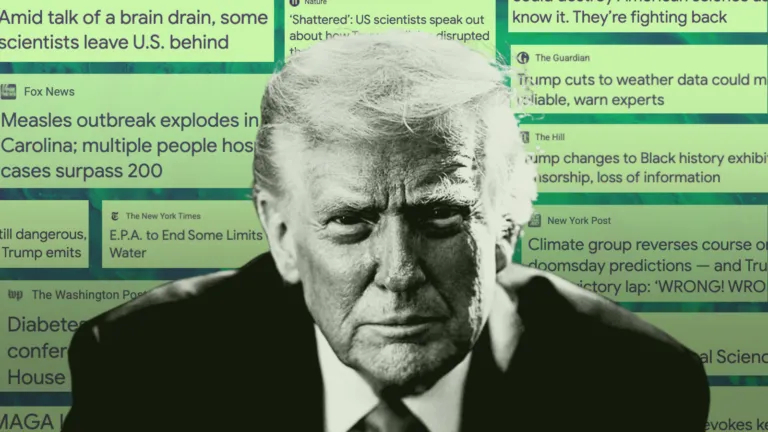
A portrait of Donald Trump overlaid with a collage of various digital news headlines regarding U.S. government policy and data management.

Trump Is Deleting the Data America Needs to Survive

This post investigates the ongoing trend of federal dataset removal under the current administration, exploring the potential long-term consequences for scientific research, economic planning, and public health. By analyzing the patterns of data suppression and the dismantling of institutional monitoring infrastructure, we discuss how the erosion of baseline data challenges the capacity for effective, evidence-based governance in the United States.

Read More »
Official logo of PEPFAR, the U.S. President’s Emergency Plan for AIDS Relief.

PEPFAR’s New Terms: Minerals, Data, and Diminishing Aid

This analysis examines the shift in U.S. global health strategy, specifically focusing on the new bilateral “America First” agreements being negotiated across Africa. By detailing how essential health assistance—including HIV and malaria treatment—is now being leveraged for critical mineral access and sensitive health data, the report explores the far-reaching consequences for African public health systems. It argues that this strategic pivot not only threatens to dismantle decades of progress in disease control but also marginalizes regional health institutions, ultimately transforming humanitarian aid into a tool for geopolitical competition and corporate resource acquisition.

Read More »
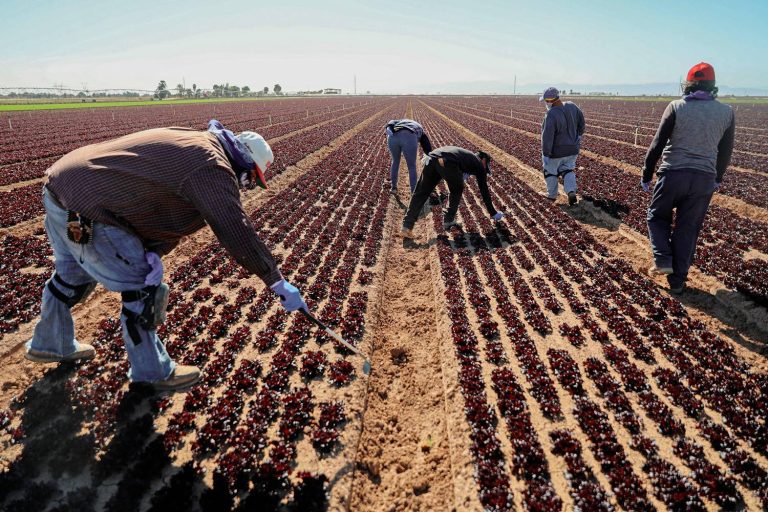
Agricultural laborers working in a large field of red leaf lettuce under a bright sun.

Iran War Raises Fuel and Food Costs for Rural America

This report explores the domestic economic toll of the Iran conflict, specifically how supply disruptions in the Strait of Hormuz have spiked diesel and fertilizer costs. As rural households and farmers face tightening margins and rising grocery inflation, the situation underscores the direct link between global geopolitics and American food security.

Read More »
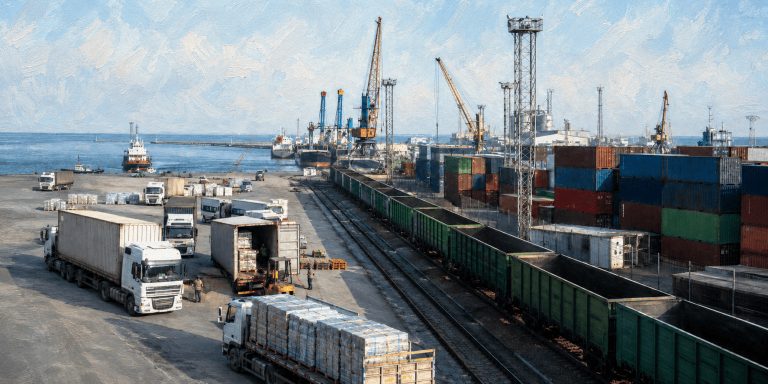
Industrial port with shipping containers, cargo trucks, and heavy cranes.

Hormuz Tensions Shift Afghanistan Aid Routes to Central Asia

Ongoing conflict in the Strait of Hormuz has fractured traditional humanitarian supply lines, forcing agencies to reroute Afghan aid through Central Asia. With 3.7 million children at risk of malnutrition, the Lapis Lazuli Corridor and hubs like Termez have become vital lifelines for delivering essential food and medical supplies.

Read More »
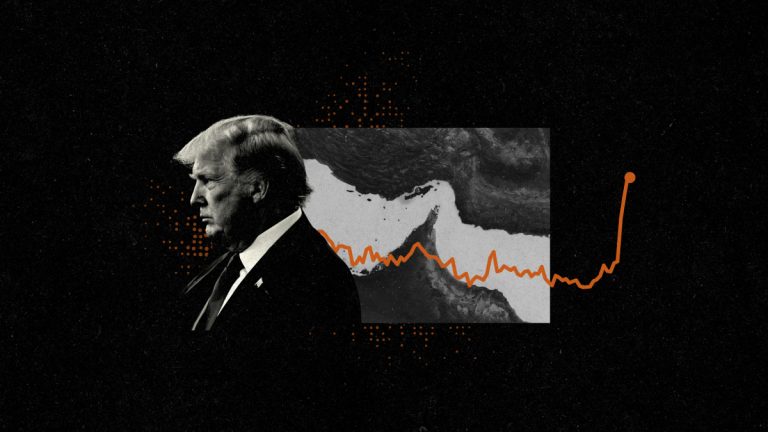
Illustration of Donald Trump's silhouette against a map of the Strait of Hormuz with a rising oil price graph.

Hormuz Closure Threatens Global Energy Stability

The effective closure of the Strait of Hormuz since March has disrupted one-fifth of global seaborne oil trade. With hundreds of tankers stranded and only limited transits occurring, the standoff is driving up global commodity prices and forcing nations to reassess their reliance on critical maritime chokepoints for energy and food security.

Read More »
A nighttime view of a city skyline with a large, dark plume of smoke and fire rising from the center. The city lights are visible across the horizon under a dark sky.

When the Strait Closes: Food, Water, and the Hidden Cost of War

The closure of the Strait of Hormuz has triggered a global crisis extending beyond oil, paralyzing a third of the world’s fertilizer trade and threatening desalination plants critical for drinking water. This disruption risks long-term food inflation, compromised harvests, and severe economic strain on millions far from the conflict.

Read More »