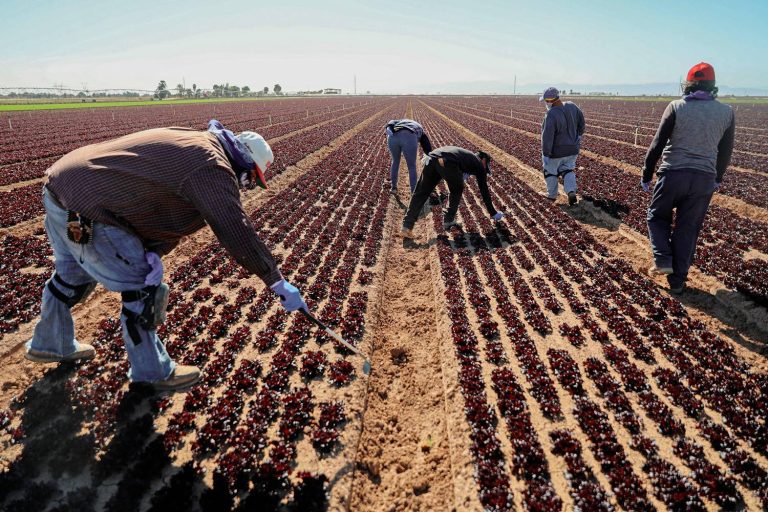
Geopolitical tensions that boiled over into open conflict with Iran have tightened supplies through a critical Middle Eastern waterway, driving energy prices to levels not seen in years. American farmers and the communities that surround them feel these increases immediately and intensely. With planting underway and summer driving season approaching, the added expenses come at a moment when many rural budgets already stretch thin.
Roughly one-third of global seaborne fertilizer trade and a quarter of oil shipments normally pass through the Strait of Hormuz. Reduced vessel traffic since the fighting began has created shortages that lifted diesel and gasoline prices by around 50 percent from late February levels. Those figures matter enormously in places where tractors, trucks, and personal vehicles represent lifelines rather than conveniences.
Rural Households Shoulder a Heavier Load
People living outside major cities tend to drive farther for every errand, job, and appointment. This structural reality means each cent per gallon carries extra weight. Analysis shows rural families now spend roughly $26 more per week at the pump than they did before the conflict, widening the longstanding difference with urban households. For many, this translates into tough choices between filling the tank, paying utility bills, or stocking the pantry.
A recent CoBank report highlights how limited public transport options and diesel-heavy local economies amplify the pain. Heating and cooling costs climb alongside transportation fuel, particularly as temperatures swing. Lower-income rural residents, who devote larger shares of earnings to these basics, face the sharpest constraints. Reduced spending on non-essentials then ripples into local businesses that depend on steady customer traffic.
Tight Margins Test Farm Viability
Producers entered this year with input costs already outpacing crop returns by historic margins, according to federal statistics. Diesel alone makes up the majority of on-farm fuel use, so a 51 percent price surge adds hundreds of dollars daily for operations running multiple pieces of equipment. Fertilizer prices have jumped in tandem, with urea climbing more than 27 percent and forcing difficult calculations about application rates that could affect harvest outcomes.
Researchers tracking farm margins note that global commodity pricing leaves American growers exposed despite domestic production capacity. The ongoing loss of smaller operations, documented in recent agriculture censuses, may accelerate if these pressures persist. Larger entities can sometimes absorb or hedge against volatility more effectively, but widespread consolidation changes the fabric of rural economies and communities.
Downstream Impacts on Grocery Inflation
Higher diesel costs also increase expenses for moving produce from field to processor to retailer. This reality has economists warning of downstream consequences. Experts at Purdue University estimate a prolonged energy shock could add between three and six percentage points to grocery inflation over the coming 12 to 18 months. Early signs already appear in monthly food price reports.
Consumers across income levels will encounter these changes, yet the impact lands hardest on families where food claims one-third of earnings rather than one-fifteenth. Past episodes of energy-driven price spikes, from the 1970s oil crises to more recent events tied to the Ukraine conflict, demonstrate how such pressures can linger and influence everything from dietary choices to political sentiment in farm states.
The Policy Outlook
Policymakers might consider the domestic ledger more closely when pursuing actions abroad that carry energy security implications. Investments in fuel efficiency for agricultural equipment, support for renewable on-farm energy, and strategies to diversify fertilizer sources could reduce vulnerability to distant disruptions. Without such steps, rural America risks paying a recurring tax every time tensions flare in oil-producing regions.
The connections between foreign policy, energy markets, and American food production have rarely been clearer. How leaders respond to these latest price signals may determine whether rural communities gain resilience or face another round of economic strain.
Original analysis inspired by Anne Knapke from Center for American Progress. Additional research and verification conducted through multiple sources.