Tag: Ethnic Conflict

A person wearing a hijab looking out over a cloudy sky.

The Great Silence: Israel’s Traumatized Palestinian Minority

Following the events of October 7, Israel’s 21% Palestinian minority faces a climate of intense fear and state surveillance. This forced silence masks a deeper, internal trauma, leaving the community atomized and raising critical concerns about the future of coexistence within a deeply divided and increasingly fragile state.

Read More »
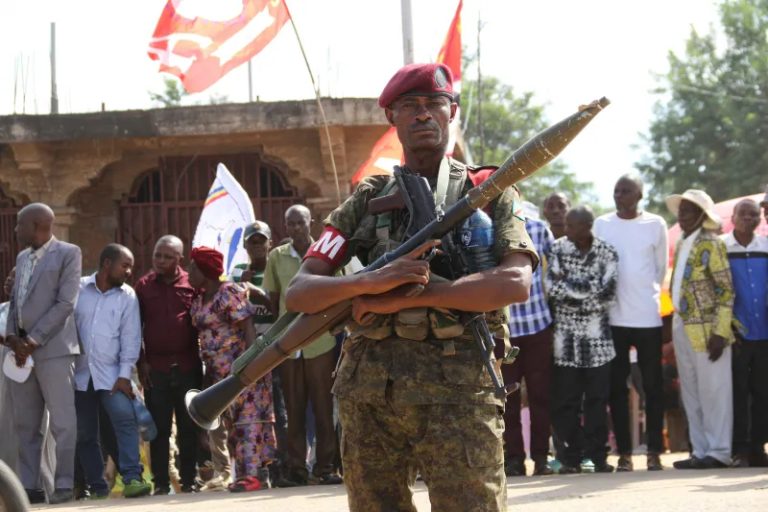
A soldier in camouflage uniform holding a rocket-propelled grenade launcher in a public setting.

Trump’s Congo Peace Deal Is Unraveling and the Minerals Were Never Safe

Seven months after the Trump administration’s high-profile intervention in the Congo, the peace deal remains stalled and the conflict has reignited. By prioritizing transactional mineral access over long-term stability and democratic accountability, Washington has struggled to displace entrenched Chinese dominance or secure a lasting end to the fighting.

Read More »
Armenian Prime Minister Nikol Pashinyan waving to the crowd while wearing an orange lapel pin.

Armenia Bets on Turkey — and the Stakes Have Never Been Higher

This analysis explores the strategic realignment currently underway between Armenia and Turkey. After decades of frozen borders and historical enmity, recent diplomatic efforts suggest a potential breakthrough aimed at economic integration and regional connectivity. However, the article highlights the divergent motivations behind this process: Yerevan seeks a pivot toward the European Union as it distances itself from Russia, while Ankara views normalization as a tool to consolidate its position as an indispensable regional hub. We assess the persistent risks—including Azerbaijan’s unresolved territorial demands, the limitations of Western security guarantees, and the shadow of Russian influence—that continue to complicate Armenia’s efforts to establish a durable path toward stability. Ultimately, this piece questions whether normalization offers a genuine escape from regional dependency or merely replaces one set of structural vulnerabilities with another.

Read More »
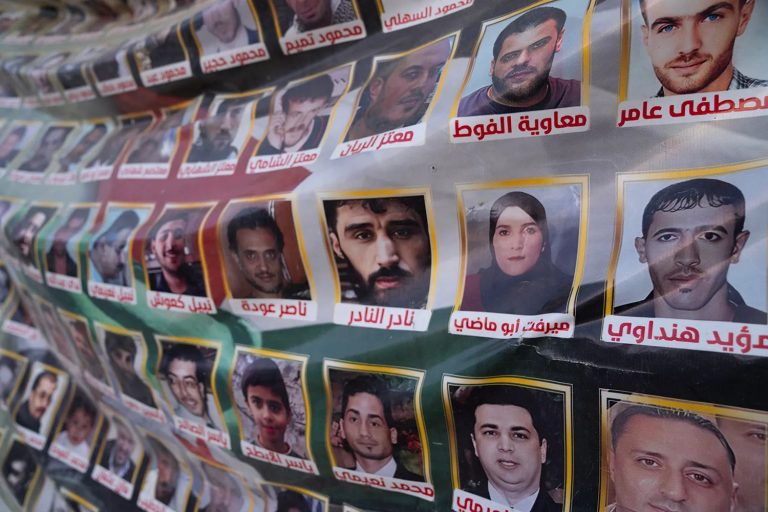
A memorial poster displayed in public featuring rows of photos of missing people in Syria.

Syria’s War Crimes Trap: Justice for the Dead or Answers for the Missing?

This analysis explores the critical dilemma of post-Assad transitional justice in Syria. We examine the tension between the popular demand for the death penalty against perpetrators and the structural requirements of international forensic cooperation necessary to identify tens of thousands of forcibly disappeared victims. The piece argues that the current legal framework risks trading long-term institutional accountability and victim identification for immediate, symbolic retribution.

Read More »
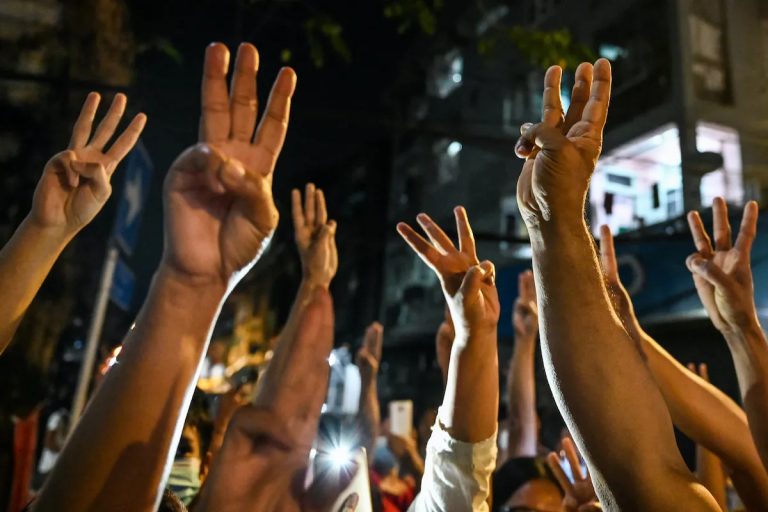
A crowd of protesters in Myanmar raising their hands in a three-finger salute at night.

Myanmar’s Revolution Builds the Institution the World Said It Needed

This analysis explores the historic formation of Myanmar’s “Steering Council for the Emergence of a Federal Democratic Union,” established on March 30, 2026. By unifying the National Unity Government (NUG) and key ethnic revolutionary organizations under a collective leadership model, the Council marks a significant maturation of the Spring Revolution. The piece details how this institution provides a coherent political interlocutor for the international community, shifting the discourse from a humanitarian crisis to a political transformation. Despite the ongoing challenges of military rule, the Council’s emergence—rooted in civilian supremacy and federal consensus—presents the most significant structural challenge to the junta’s legitimacy to date.

Read More »
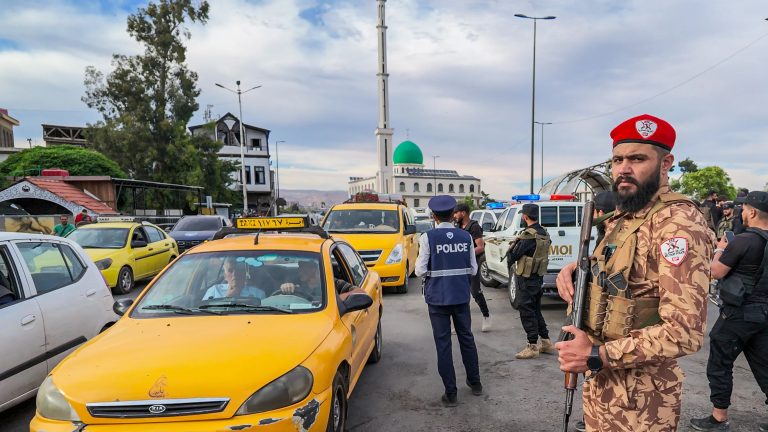
A soldier in military uniform standing guard near a mosque and city traffic.

Syria’s New Army Is Built on Fault Lines, Not Foundations

This analysis examines the structural challenges facing Syria’s post-2024 military integration. Rather than establishing a centralized national institution, the transitional authorities in Damascus have incorporated wartime factions intact, effectively codifying local patronage networks and kinship-based command structures. We explore how this “federation of armed communities” mirrors the failures of past post-conflict settlements in Lebanon and Iraq, raising serious questions about the long-term viability of the new Syrian state and its ability to exert genuine central control.

Read More »
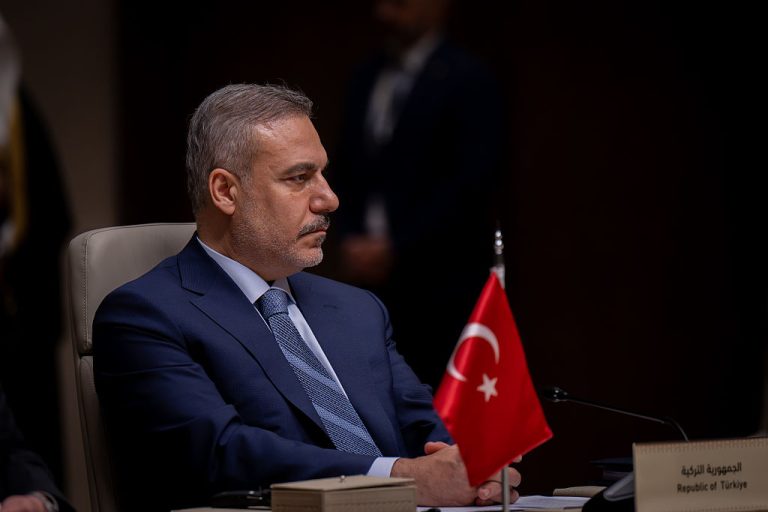
Hakan Fidan sitting at a diplomatic conference table with a Turkish flag in the foreground.

Turkey’s Push to End the Iran War Is Really About Self-Preservation

Turkey’s diplomatic push to end the war is driven by urgent self-preservation, fearing a Kurdish autonomous zone in Iran and a catastrophic refugee wave. With soaring energy costs widening its deficit and a shared 350-mile border, Ankara is positioning itself as a mediator to prevent regional collapse and domestic instability.

Read More »
Kurdish YPG and SDF fighters with a wooden Trojan horse metaphor and smoke rising in the background.

Rojava’s End: How Washington Discarded Its Kurdish Allies

Rojava collapsed after Damascus seized most DAANES territory, ending a decade‑long Kurdish experiment dependent on U.S. protection. Washington shifted support to Syria’s new government, transferring thousands of ISIS detainees. As Kurdish forces are absorbed into the state, attention turns to Iran’s Kurdish movements — the next potential pressure point in regional geopolitics.

Read More »