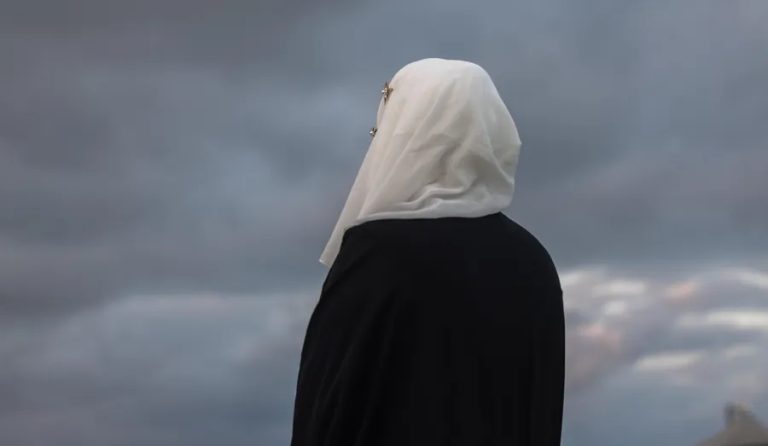
In the nearly three years since the October 7 attacks, Israeli society has been consumed by a loud and public conversation about trauma, security, and national identity. Yet, within its borders, a profound and unsettling silence has fallen over its 21% Palestinian minority. This quiet is not a sign of indifference but a symptom of a community caught between the fear of state reprisal and the overwhelming weight of a collective, unspoken trauma, raising critical questions about the future of Jewish-Arab relations in a deeply fractured state.
The silence is, in large part, a rational response to a climate of fear. Since the war began, Israeli authorities have cracked down on expressions of Palestinian identity and solidarity, with hundreds of Arab citizens arrested for social media posts or peaceful protest. This has created a chilling effect, where even private conversations are held in whispers. Parents now warn their university-aged children to “keep their heads down and stay quiet,” transforming campuses and communities into spaces where political expression is fraught with risk.
A Society Fracturing from Within
Beyond the external pressure of state surveillance lies a deeper, internal mechanism of psychological self-preservation. For Palestinian citizens of Israel, the wars in Gaza and Lebanon are not distant conflicts; they are deeply personal tragedies involving friends, family, and a shared peoplehood. The constant stream of devastating images, combined with a sense of utter helplessness, has made open discussion emotionally unbearable for many. As the author Judith Herman wrote in her seminal work, Trauma and Recovery, the natural response to atrocities is often to banish them from consciousness. This “unspeakable” pain is pushed away as a coping mechanism, allowing daily life—weddings, work, and worries about the cost of living—to continue.
This enforced silence, however, reveals a society that is not just coping but actively fracturing. The wars have compounded pre-existing internal crises, including a devastating wave of organized crime that has plagued Arab communities for years. One physician from the community described it not as a society, but as “fragments of a society,” where people live side-by-side but are increasingly disconnected and suspicious of one another. This internal erosion, exacerbated by the external pressures of war and discrimination, has left the community atomized and struggling to maintain a sense of collective identity.
The trauma is not limited to Palestinian Muslims and Christians. Other minorities, such as the Druze and Bedouin communities, have also been forced to wrestle with complex questions of loyalty and belonging, particularly after Israel’s involvement in protecting the Druze in Sweida, Syria. These events have strained the delicate and often contradictory relationships these groups have with the state.
The critical question is how long this silence can hold. A society that cannot speak of its wounds cannot begin to heal them, nor can it imagine a different future. This inability to engage in a collective conversation about trauma not only stunts the community’s own political and social development but also makes the prospect of genuine Jewish-Arab coexistence seem increasingly remote. The silence itself has become the story, a quiet testament to the deep and unaddressed pain at the heart of the state.
Original analysis inspired by Sheren Falah Saab from Haaretz. Additional research and verification conducted through multiple sources.