Tag: Emmanuel Macron

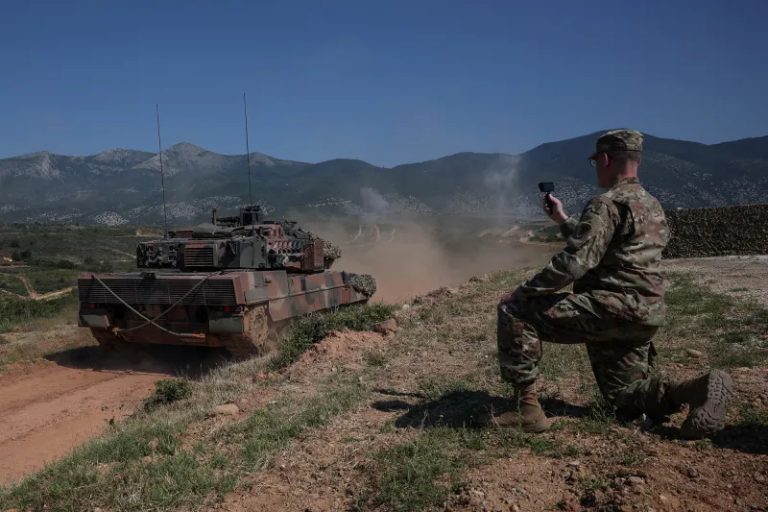
A soldier in camouflage kneeling on a dirt path while operating a drone controller, with a military tank nearby.

Why Europe Should Cofinance US Defense Enablers

This analysis argues for a structured cofinancing model between Europe and the United States to address persistent shortfalls in high-end military enablers, such as secure command networks and advanced intelligence. By formalizing these investments, allies can maintain credible deterrence against regional threats while optimizing resources across a multipolar global landscape.

Read More »
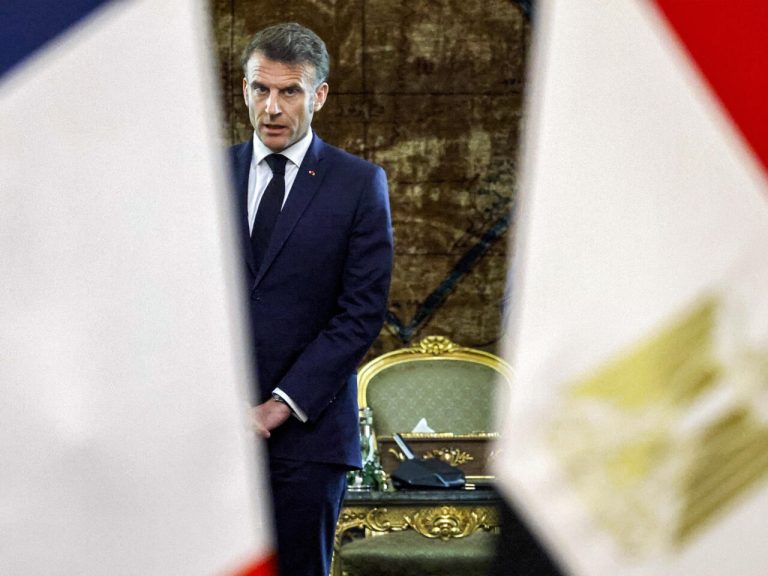
French President Emmanuel Macron standing in a formal room, flanked by partially visible flags, during a diplomatic engagement.

Macron’s Africa Reset Encounters Resistance

This analysis explores the challenges facing President Emmanuel Macron’s efforts to redefine France’s relationship with Africa. By examining recent diplomatic friction, the rise of alternative security and economic partnerships with Russia and China, and the limitations of French reform proposals, we assess the necessity for a more transactional and egalitarian approach to engagement.

Read More »
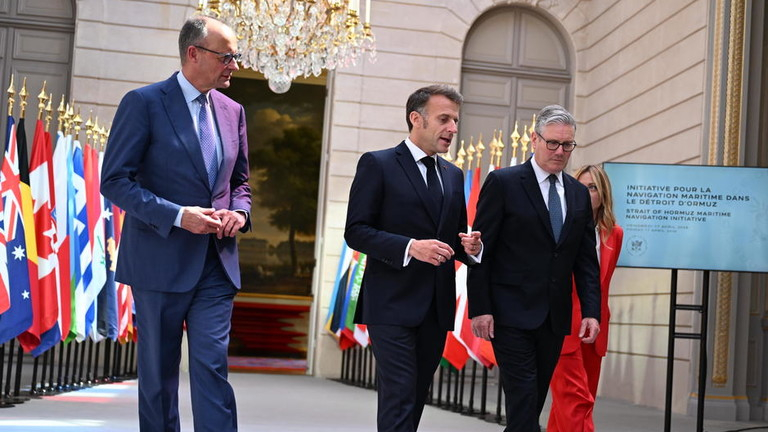
European political leaders walking and conversing during a diplomatic meeting regarding maritime navigation.

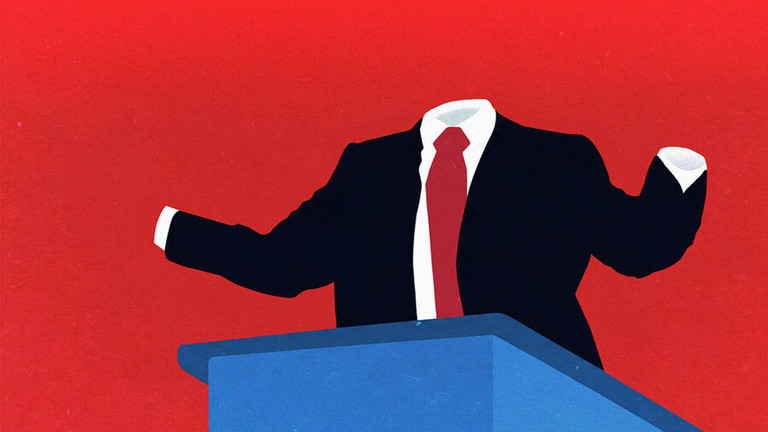
Western Leaders Are Losing the Public

This report analyzes the deepening crisis of legitimacy facing leaders across the G7 nations in May 2026. By examining the collapse in approval ratings for figures such as Keir Starmer, Emmanuel Macron, Friedrich Merz, and Donald Trump, the article explores the common threads of public dissatisfaction—specifically the erosion of the social contract driven by persistent inflation, stagnant growth, and unaffordable living costs. With local election results in Britain signaling a major fragmentation of the traditional two-party system and similar trends emerging elsewhere, the piece evaluates whether these record-low ratings represent a temporary protest or a fundamental unraveling of the post-war political consensus.

Read More »
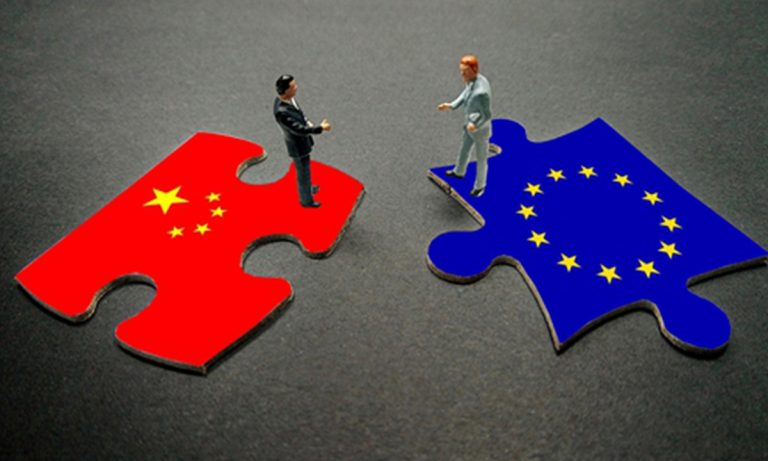
Miniature figures standing on puzzle pieces representing the flags of China and the European Union.

Europe’s China Trade War Temptation Is a Trap of Its Own Making

This analysis explores the intensifying debate within the European Union regarding its trade policy toward China. With a 2025 trade deficit of €359.8 billion serving as a focal point, the article examines the push by a five-nation coalition—led by France and others—for more aggressive protectionist measures. By contrasting these calls for tariffs with warnings from experts like Rolf Langhammer about structural competitiveness, the report assesses whether Brussels is prioritizing genuine industrial strategy or simply reacting to competitive panic. The piece further contextualizes the EU’s internal challenges, such as high energy costs and fragmented regulation, arguing that trade barriers may fail to address the root causes of Europe’s weakening industrial position.

Read More »
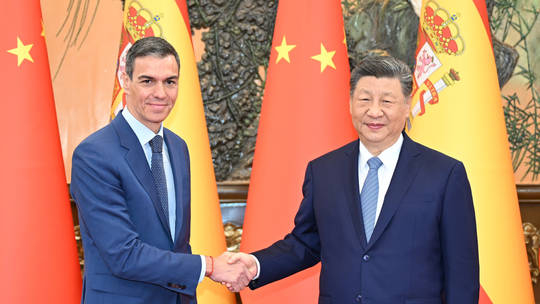
Spanish Prime Minister Pedro Sánchez shaking hands with Chinese President Xi Jinping in front of national flags.

Spain Courts Beijing: Sánchez Bets on China as Transatlantic Ties Fray

In a strategic response to fraying Transatlantic ties, Spanish Prime Minister Pedro Sánchez has solidified a pragmatic partnership with Beijing. By securing high-quality investments from Chinese giants like Chery and CATL—conditioned on local job creation and technology transfer—Spain is positioning itself as a vital manufacturing hub and a diplomatic bridge between China and a fragmented Europe. This report analyzes how Madrid is navigating U.S. pressure to secure its green transition and economic sovereignty.

Read More »
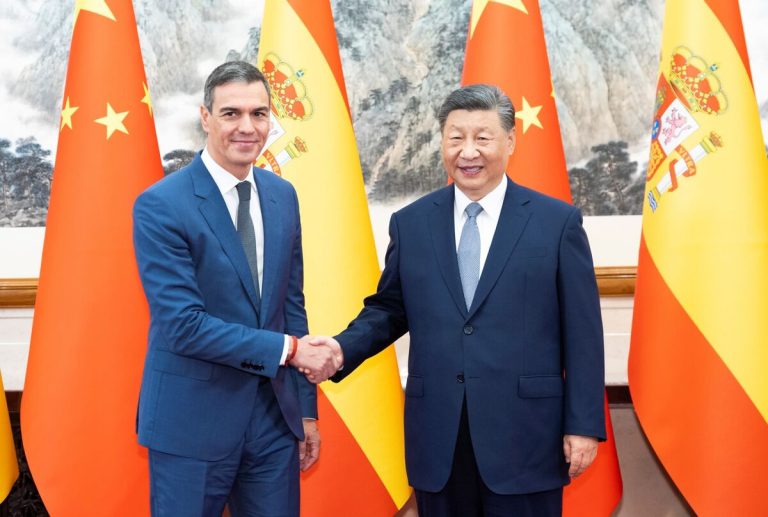
Pedro Sánchez and Xi Jinping shaking hands in front of Spanish and Chinese flags.

Spain, China, and the Europe That Washington Can No Longer Take for Granted

The deepening rift between Washington and Madrid has pushed Spain toward a landmark strategic alignment with China. Faced with U.S. threats of a total trade cutoff over the use of military bases, Prime Minister Sánchez has accelerated cooperation with Beijing in green energy and EV manufacturing. This shift represents a broader European trend: redefining “Western” loyalty in an era where strategic autonomy and energy security outweigh unilateral demands from the Oval Office.

Read More »
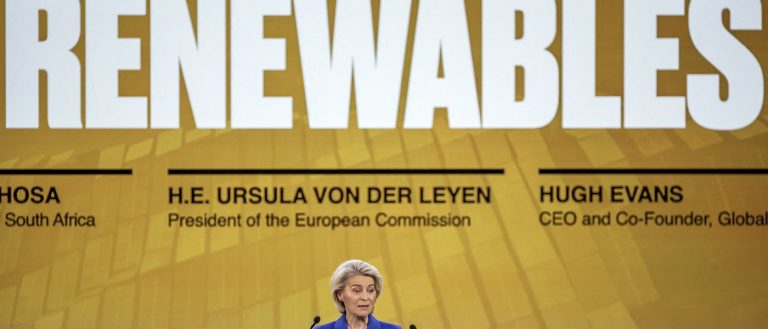
Ursula von der Leyen speaking at a podium with a large "RENEWABLES" sign in the background.

Europe’s Iran Shock Demands a Wartime Economic Response

Europe faces its second major energy crisis in four years, with the closure of the Strait of Hormuz triggering what the IEA calls the largest supply disruption in history. With Brent crude surpassing €100 and gas storage at critical lows, analysts warn of impending stagflation and technical recessions in Germany and Italy, leading to urgent calls for a pandemic-scale fiscal response to accelerate electrification as a national security imperative.

Read More »
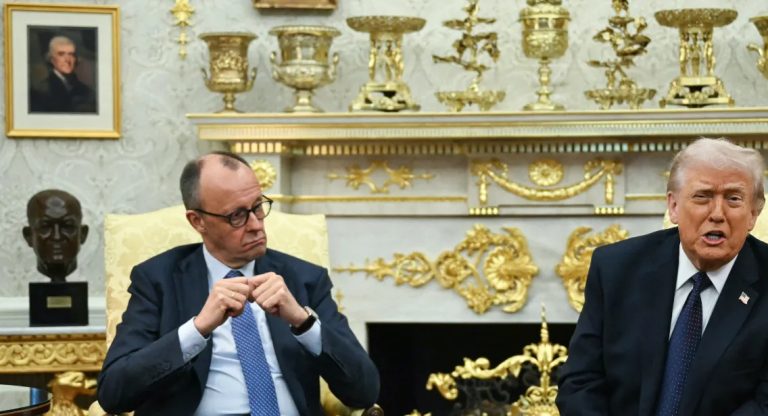
German politician Friedrich Merz and Donald Trump sitting in an ornate room during a meeting.

Europe’s Iran Dilemma: Opposing the War While Sanctioning Tehran

Europe opposes the U.S.–Israeli war on Iran while simultaneously sanctioning Tehran for domestic repression, revealing a split between its principles and its power. Disunited governments, limited leverage, and damaged credibility leave the EU unable to shape the conflict or support Iranian reformers — turning its “third way” into an aspiration without influence.

Read More »
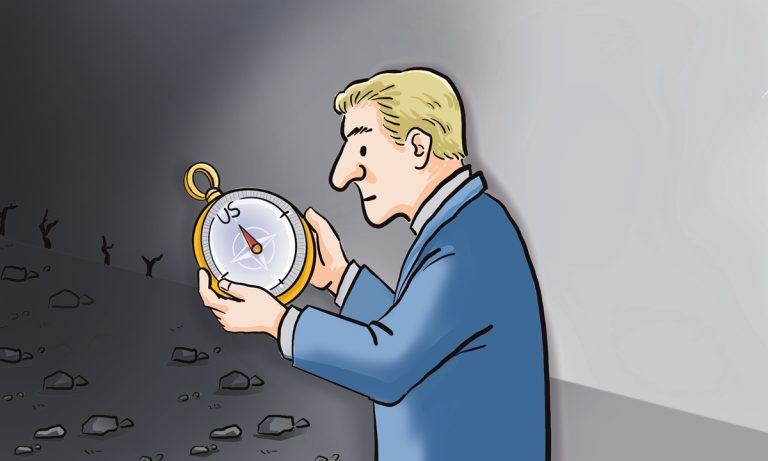
Political cartoon of a European leader looking at a NATO compass pointing toward the US.

Beijing’s Case for a European Break With NATO

China’s state media cast Rubio’s Munich speech as proof Europe should quit NATO, but Europe is rearming within the alliance, not abandoning it. Beijing’s call ignores EU–China trade frictions and Europe’s dependence on Chinese rare‑earths. The real debate is about European autonomy inside NATO — not a break with Washington.

Read More »
A close-up portrait of Christine Lagarde speaking at a podium, wearing a dark blue suit and a patterned scarf, with a large blue background featuring a yellow "msc" logo and the text "Munich Security Conference."

Europe’s Hard Pivot Toward Financial and Digital Sovereignty

For decades, Europe treated American digital infrastructure and financial networks as neutral utilities. That illusion has collapsed. The combination of extraterritorial U.S. laws, sanctions used as administrative weapons, and the growing willingness of Washington to threaten allies has forced European governments to confront a simple truth: dependency equals vulnerability.

Read More »
French President Emmanuel Macron and Chinese President Xi Jinping shaking hands and smiling warmly in front of national flags.

Paris Pursues Investment Reversal as European Industrial Model Faces Chinese Competition

Emmanuel Macron’s December visit to Beijing signified a strategic shift for France, aiming to convert trade deficits into investment chances while addressing European security issues. The trip highlighted key tensions in European-Chinese relations, with Brussels calling for economic rebalancing and Beijing desiring unrestricted market access amidst rising transatlantic trade disputes.

Read More »