Tag: Civil War

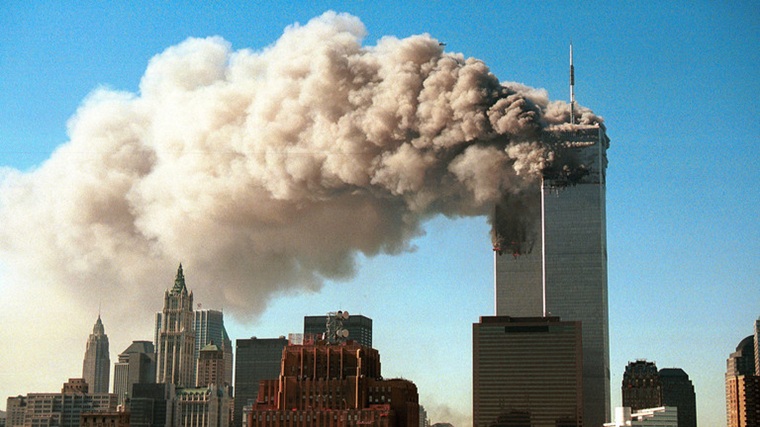
Smoke billowing from the Twin Towers of the World Trade Center in New York City on September 11, 2001.

How September Eleven Hastened the Decline of American Hegemony

The aggressive post-9/11 foreign policy transformed global geopolitics, replacing the unipolar moment with widespread regional instability. Unilateral interventions, nation-building failures, and domestic overreach eroded American credibility, paving the way for emerging powers to challenge Western dominance and shape a multipolar world.

Read More »
Explosion and heavy smoke billowing from the World Trade Center towers during the September 11 attacks.

Decades After September Attacks Reshape Middle Eastern Power Balance

A quarter-century after September 2001, military interventions have permanently reshaped the Middle East. Intended to enforce dominance, prolonged conflicts fractured alliances, empowered regional rivals, and invited global powers like Russia and China to fill the void. Today, a new multipolar reality dictates regional stability and independence.

Read More »
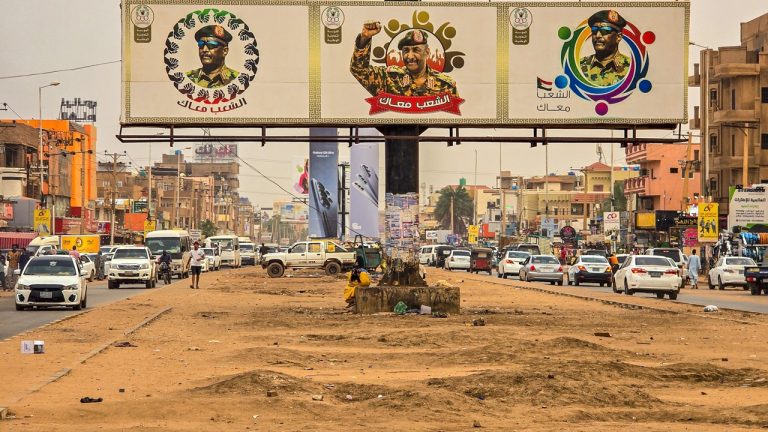
Dusty urban street in Sudan featuring a large billboard displaying military leaders alongside civilian cars.

Sudan War Risks Becoming a Wider Regional Conflict

Sudan’s civil war is expanding far beyond a domestic power struggle, pulling in regional rivalries, foreign supply networks, and new border battlefields. With millions facing severe hunger and widespread displacement across the Horn of Africa, the conflict threatens wider regional stability. Discover why international intervention must shift from fueling the war to enforcing a lasting diplomatic solution.

Read More »
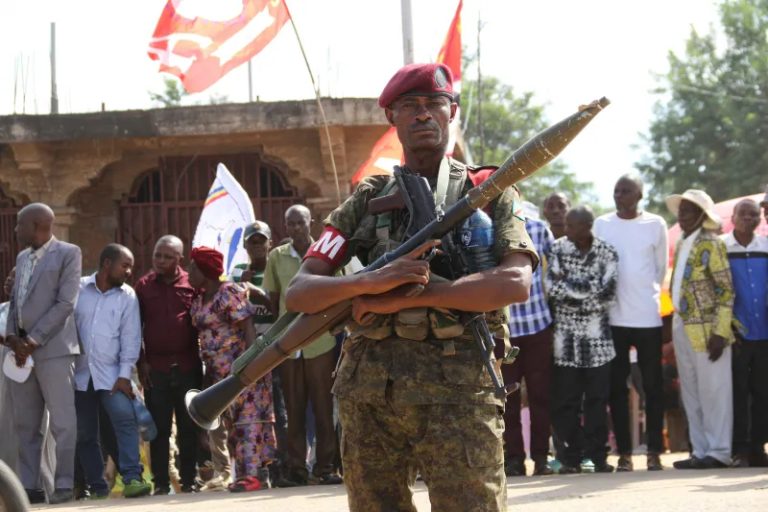
A soldier in camouflage uniform holding a rocket-propelled grenade launcher in a public setting.

Trump’s Congo Peace Deal Is Unraveling and the Minerals Were Never Safe

Seven months after the Trump administration’s high-profile intervention in the Congo, the peace deal remains stalled and the conflict has reignited. By prioritizing transactional mineral access over long-term stability and democratic accountability, Washington has struggled to displace entrenched Chinese dominance or secure a lasting end to the fighting.

Read More »
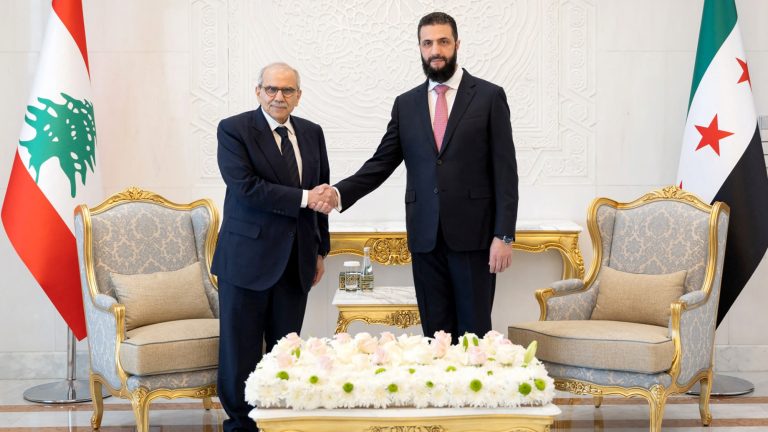
Two men in formal suits shaking hands in front of the flags of Lebanon and Syria.

Syria Cannot Save Lebanon, It Has Not Yet Saved Itself

This analysis critiques the proposal that Syria could act as a stabilizing force in Lebanon, mirroring its 1976 intervention. By examining the institutional decay, fragmented military, and lack of internal legitimacy in contemporary Syria, as well as the changed political landscape in Beirut, we argue that this strategy is detached from current geopolitical realities and risks further regional escalation.

Read More »
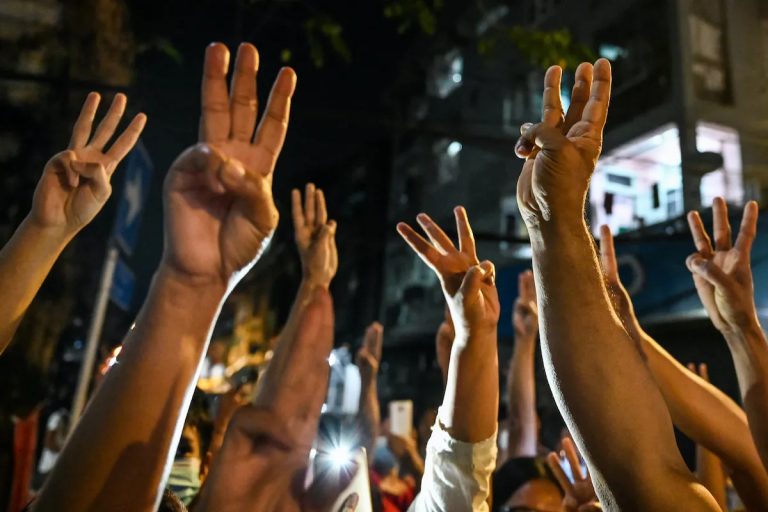
A crowd of protesters in Myanmar raising their hands in a three-finger salute at night.

Myanmar’s Revolution Builds the Institution the World Said It Needed

This analysis explores the historic formation of Myanmar’s “Steering Council for the Emergence of a Federal Democratic Union,” established on March 30, 2026. By unifying the National Unity Government (NUG) and key ethnic revolutionary organizations under a collective leadership model, the Council marks a significant maturation of the Spring Revolution. The piece details how this institution provides a coherent political interlocutor for the international community, shifting the discourse from a humanitarian crisis to a political transformation. Despite the ongoing challenges of military rule, the Council’s emergence—rooted in civilian supremacy and federal consensus—presents the most significant structural challenge to the junta’s legitimacy to date.

Read More »
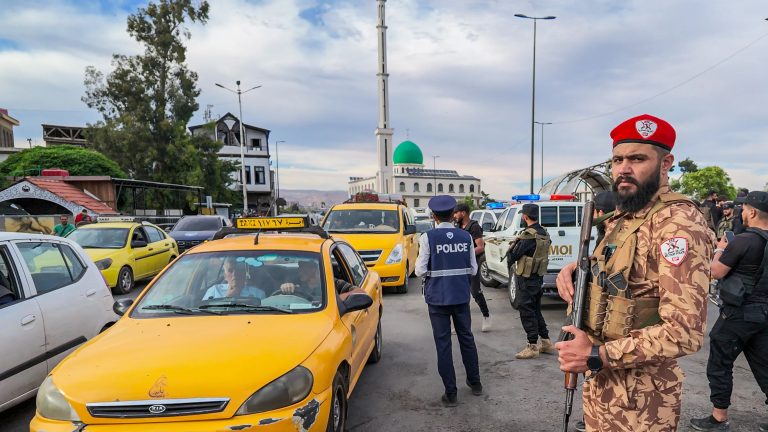
A soldier in military uniform standing guard near a mosque and city traffic.

Syria’s New Army Is Built on Fault Lines, Not Foundations

This analysis examines the structural challenges facing Syria’s post-2024 military integration. Rather than establishing a centralized national institution, the transitional authorities in Damascus have incorporated wartime factions intact, effectively codifying local patronage networks and kinship-based command structures. We explore how this “federation of armed communities” mirrors the failures of past post-conflict settlements in Lebanon and Iraq, raising serious questions about the long-term viability of the new Syrian state and its ability to exert genuine central control.

Read More »
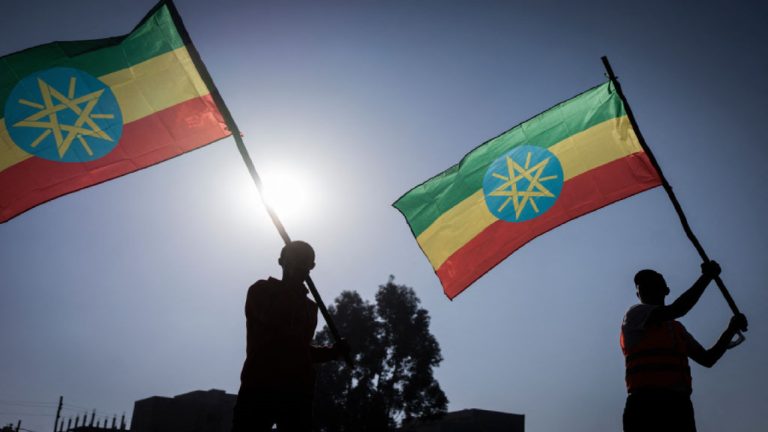
People holding Ethiopian flags against a sunset background.

Horn of Africa Edges Toward Regional War

This analysis examines the converging crises in the Horn of Africa, where overlapping internal conflicts in Sudan and Ethiopia are fueling a cycle of regional instability. We evaluate how shifting alliances, ethnic ties, and cross-border proxy support create a volatile environment. The article addresses the limitations of current diplomatic channels and the urgent necessity for international mediation to prevent a broader regional catastrophe.

Read More »
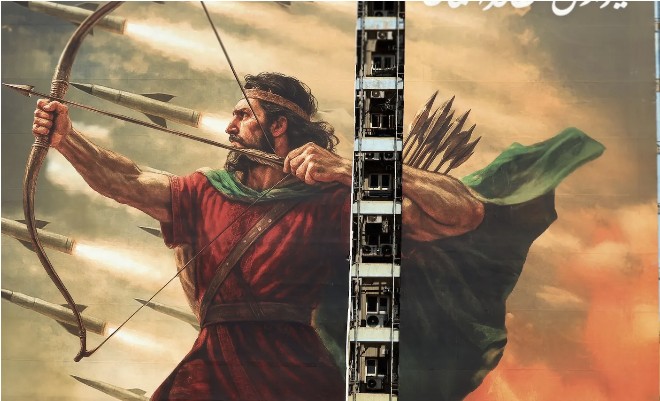
Illustration of Arash the Archer firing missiles instead of arrows in a modern geopolitical art style.

Iran Won’t Break. But It Might Implode From Within.

Iran’s deep cultural cohesion and the IRGC’s tightening grip mean the regime won’t collapse under foreign pressure, but the war is accelerating internal tensions that could push the country toward an eventual implosion driven from within rather than imposed from outside.

Read More »
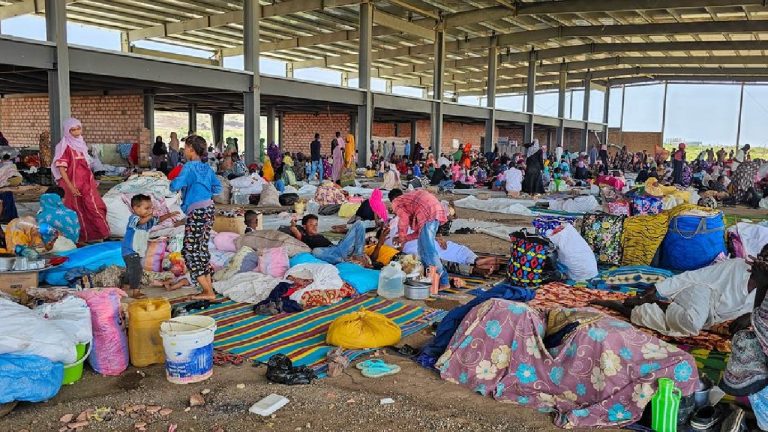
Hundreds of displaced Sudanese people taking shelter with their belongings in a large, open-air industrial structure.

Sudan’s Humanitarian Catastrophe: Global Indifference to the World’s Largest Crisis

With 25 million people facing extreme hunger and 14 million displaced, Sudan’s civil conflict has escalated into a genocide largely ignored by the global spotlight. As the Trump administration’s 2025 aid cuts and foreign military interventions fuel the fire between warring factions, the collapse of Sudan’s democratic transition has left half the population in famine conditions, desperate for a diplomatic breakthrough that remains out of reach.

Read More »